

[2026] A roundup of female enka singers in their 60s: Artists who support Japanese enka


Enka, a uniquely Japanese music genre, has long been cherished by many people.
From the birth of enka to the present day, countless singers have emerged, and numerous classic songs continue to be loved.
Many of these enka singers captivate audiences with their powerful vocal skills and expressive abilities, and quite a few have gone beyond the confines of enka to thrive in broader fields.
In this article, we’ll focus especially on female singers in their 60s and highlight their appeal.
They are all beloved figures who have energized Japan’s enka scene, so take this opportunity to listen to their music.
- A roundup of female enka singers in their 70s: voices that evoke nostalgia
- A roundup of captivating enka female singers in their 50s [2026]
- Diva of Enka: A roundup of female singers leading the enka world
- [Enka] A special feature on female singers in their 80s. Singers who were active from the early to mid-Showa era.
- A roundup of leading female enka singers representing the Showa era
- [2026] Active in the enka and kayō world! A roundup of beautiful enka singers
- Popular Enka Singers Ranking [2026]
- [Female Singers Edition] The face of New Year’s Eve! Enka singers who appeared on the Kōhaku Uta Gassen
- [2026] Representative Famous Enka Songs: A Compilation of Classic Favorites [Beginner-Friendly]
- [For People in Their 60s] Ranking of Easy-to-Sing Karaoke Songs [2026]
- Classic enka songs you’ll want to sing at karaoke: recommended popular tracks
- A classic Showa-era kayōkyoku song sung by a female vocalist. A nostalgic tune passed down through the years.
- [2026] Easy Enka Songs for Karaoke: Recommended Picks — Women Singers Edition
[2026] Roundup of Female Enka Singers in Their 60s: Singers Supporting Japanese Enka (31–40)
Enka RoadRumiko Hayama
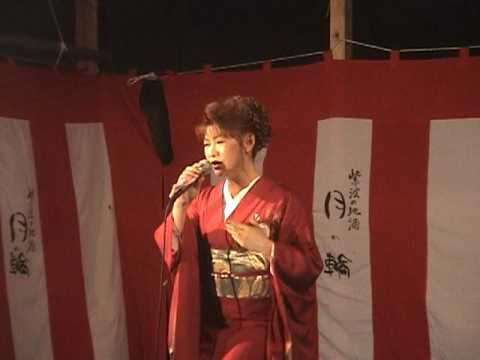
Rumiko Hayama, born on February 7, 1963, is a master of Japan’s proud enka scene.
Her emotionally rich voice resonates deeply with listeners even as she enters her sixties, unchanged in its power.
In fact, her 2013 release Hiraizumi Ryojo, with its exquisitely clear vocals and melody, has continued to captivate many enka fans.
Hayama’s songs possess a timeless beauty that transcends eras, and she continues to win new admirers today.
Listening to her music will make you realize the profound depth of enka.
Acacia in the RainMasaki Yōko

Yoko Masaki, born on September 8, 1957, in Nagoya, has long been a vibrant presence on Japan’s enka scene.
From her initial debut she stood out for her talent and individuality, and since her re-debut as an enka singer in 1981, she has continued to produce numerous hits.
Her singing voice is richly expressive and warmly relatable.
Her 2018 single “Koi Tsubame” once again showcases her seasoned vocal artistry.
Be sure to give Masaki’s timeless, beloved songs a listen.
Homesickness on a JourneyNishizaki Midori

Midori Nishizaki, who had been active as a child actress from an early age, is a singer born in 1960.
Born to a mother who was a Japanese dancer, Nishizaki made her stage debut at age three and debuted as a singer at seven with “Chiisana Princess.” Her career is truly remarkable in its longevity.
After meeting composer and musician Masao Hirao, she recorded “Ryoshū” (Homesickness), the theme song for the period drama series Hissatsu: Kurayami Shikakenin, which became a smash hit, selling over a million copies.
Despite being only 14 at the time, many listeners likely found her expressive power in the song to be exceptional.
Her clear, delicate voice—reminiscent of 1980s idols—is striking, drawing you into its harmony with the wistful, melancholic melody.
Today, as the new head of the Nishizaki school, she is also active as a dancer and choreographer, running classes and creating choreography.

Love-sakeShimizu Setsuko

Setsuko Shimizu, born on November 3, 1956, once stepped away from show business to experience life as a mother before returning to the world of song.
Her comeback was a major-label debut released by Nippon Crown in 2008, and in 2015 she moved to Nippon Columbia.
She has also been active as a host on television and radio, boasting a remarkably diverse career.
Moreover, her life story—returning to the entertainment industry after running a snack bar, becoming a singer, and experiencing motherhood—can itself be called a tale that deeply moves people through enka.
There is no doubt that her songs reflect the richness of these experiences.
Pier of TearsMori Masako

Masako Mori debuted in 1972 with the song “Sensei,” which became a long-running hit and is still often sung in her medleys today.
Her voice, which evokes the good old days, deeply resonates with the hearts of Japanese people.
At the same time, her eldest son is Taka from ONE OK ROCK, a leading figure in Japan’s rock scene.
Her youngest son is Hiro from the rock band MY FIRST STORY.
It’s quite interesting that her two sons are thriving in a genre—rock—that could be considered the opposite of enka!
