

Japanese karaoke songs that are easy for men in their 60s to sing

This time, we checked out Japanese songs that are easy for men in their 60s to sing at karaoke! They’re known for being generally easy to sing, with comfortable pitch, tempo, and volume.
They could make a great addition to your repertoire.
Take this opportunity to use it as a reference!
- [Men in their 60s] Even if you're not good at singing, it's okay! Easy-to-sing songs for karaoke
- [For People in Their 60s] Karaoke Songs That Get the Crowd Going: Ranking [2026]
- [For People in Their 60s] Ranking of Easy-to-Sing Karaoke Songs [2026]
- Karaoke songs that are sure to get a 60-something man fired up
- Recommended Japanese karaoke songs for men in their 60s
- Popular Japanese songs among men in their 60s: recommended masterpieces and classic tracks
- Good songs recommended for people in their 60s: classic and popular Japanese tracks
- Songs Women Want Men to Sing: Popular Karaoke Picks Chosen by Girls
- For Men in Their 50s: No Worries If You’re Tone-Deaf! A Curated Selection of Easy-to-Sing Karaoke Songs
- Karaoke songs where even men with low voices can aim for high scores
- A love song that makes a man in his sixties relive his youth. Timeless classics that rekindle the romances of those days.
- [60s] Karaoke Popularity Rankings by Generation [2026]
- [2026 Edition] Songs Loved by People in Their 60s: Classic Hits from Their Youth
Karaoke songs in Japanese that are easy for men in their 60s to sing (71–80)
Embracing SummerTUBE
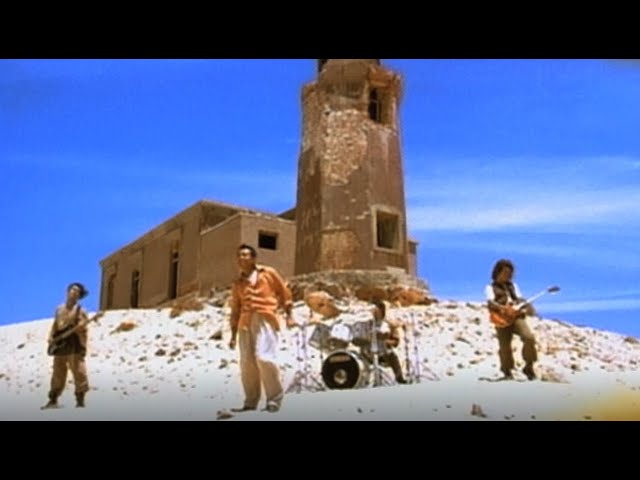
With a sound that evokes clear blue skies and a shining sun, this is a quintessential summer song from TUBE.
It conveys a love so intense it keeps you awake at night, expressed through passionate lyrics and melody.
The protagonist’s once-in-a-lifetime feelings are sure to stir memories of bittersweet love that many have experienced.
Released in May 1994, this smash hit topped the Oricon charts and sold 940,000 copies.
It was also featured in a Toyota Corolla Ceres commercial and has become a karaoke staple loved by many.
It’s the perfect track to share with close friends or colleagues as you reminisce and look back together on life’s milestones.
If only I had held you tighterWANDS

This was WANDS’s third single overall, released in July 1992.
It was used as the theme song for a Mitsui Life Insurance commercial featuring Atsuko Asano.
A massive hit that became WANDS’s first million-seller (1.663 million copies sold), many of you have likely heard it before.
In the 1990s, when this song was released, singability at karaoke was a key factor for a song to become a hit.
True to that trend, this track is crafted to be very easy to sing—especially the chorus melody—and highly memorable.
I confidently recommend it for men in their 40s who don’t usually sing much.
Enjoy singing it with power throughout!

ChampionArisu

This is the 14th single by the Japanese folk/new music group Alice, released in December 1978.
It was a massive hit that reached No.
1 on the Oricon charts at the time, and it unfolds a story—set to a pleasant melody—about a boxing champion being defeated by a younger fighter.
Despite its dramatic content, the vocal melody doesn’t span a particularly wide range, and compared with contemporary songs, the melodic line itself is very simple, easy to remember, and easy to hum.
So even those who aren’t confident singers can likely pick it at karaoke and enjoy it without worry.
The harmonies by Tanimura and Horiuchi aren’t very complex either, so it could be fun for two people to sing in harmony together.
Japanese karaoke songs easy to sing for men in their 60s (81–90)
Like tonight’s moonElefanto Kashimashi
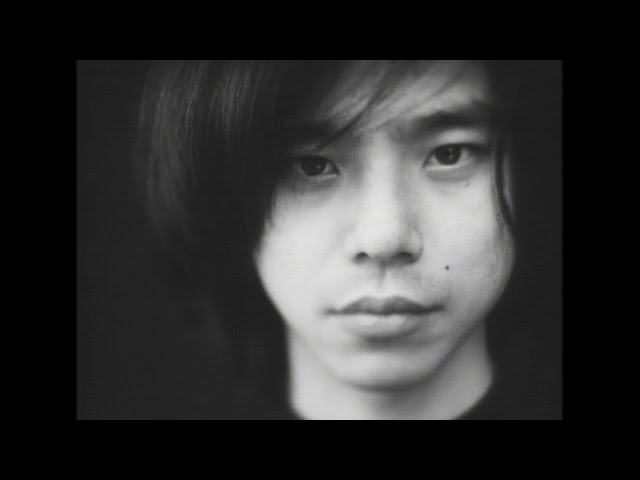
It’s a deeply moving masterpiece that powerfully sings of passion for the future while gazing into everyday feelings of emptiness and loneliness.
Set against the backdrop of a city at dusk, it portrays the solitude and struggles of people living in an urban landscape, yet conveys a strong will to keep looking forward and moving on.
The soulful vocals unique to Elephant Kashimashi and the melody that resonates with the heart are beautifully in harmony.
Released in July 1997, the song was used as the theme for the Fuji TV drama “Because the Moon Shines at Night,” and was also included on the album “Run Toward Tomorrow – Moonlit Songs.” In 2017, it was performed in the band’s first appearance on the NHK Kōhaku Uta Gassen, winning over even more listeners.
It’s a track that will evoke deep empathy when you feel lost in life or spend a night thinking of someone dear.
TSUNAMISazan Ōrusutāzu

Known as a masterpiece that likens the pain of heartbreak to a tsunami, this work is a moving love song celebrated as one of Southern All Stars’ signature pieces.
It’s a gem of a ballad that expresses the sorrow of losing someone dear through a grand melody, fully showcasing Keisuke Kuwata’s exceptional songwriting and composing talent.
Released in January 2000, it topped the Oricon weekly charts and won the Japan Record Award the same year.
It was also selected as the theme song for the popular segment “Mirai Nikki III” on the TV program “U-nan no Hontoko!,” becoming a classic beloved across generations.
As a heartwarming song that offers comfort to those carrying the pain of losing someone special, it’s also highly recommended for karaoke.
Body and soulDaun Taun Bugiugi Bando

If you want to sing a passionate song, we recommend “Mi mo Kokoro mo.” This piece was released in 1977 by the band led by Ryudo Uzaki, the Downtown Boogie-Woogie Band.
Since it was used as the theme song for the popular drama “Detective Story,” many people will likely find it familiar.
In this song, most of the vocals are set in the lower register except for part of the chorus.
As your voice gains richness with age, this could be a great track to practice if you want to master a cool, gritty singing style.

Beard and Boobsyunikōn

One of Unicorn’s signature works, this song humorously portrays the wavering emotions caught between a salaryman’s job and his love life.
Tamio Okuda’s lyrical world shines as he deftly weaves in modern workplace relationships, from a young company president to the woman at the neighboring desk.
Released in October 1991, the track features an arrangement inspired by the grand sound of Electric Light Orchestra, with a striking use of synthesizers.
As the closing song on the album “Hige to Boin,” it brilliantly conveys the complex feelings of a man who can’t give up on love even while being overwhelmed by work.
It’s a perfect pick for livening up after-work karaoke with colleagues.