

Japanese karaoke songs that are easy for men in their 60s to sing

This time, we checked out Japanese songs that are easy for men in their 60s to sing at karaoke! They’re known for being generally easy to sing, with comfortable pitch, tempo, and volume.
They could make a great addition to your repertoire.
Take this opportunity to use it as a reference!
- [Men in their 60s] Even if you're not good at singing, it's okay! Easy-to-sing songs for karaoke
- [For People in Their 60s] Karaoke Songs That Get the Crowd Going: Ranking [2026]
- [For People in Their 60s] Ranking of Easy-to-Sing Karaoke Songs [2026]
- Karaoke songs that are sure to get a 60-something man fired up
- Recommended Japanese karaoke songs for men in their 60s
- Popular Japanese songs among men in their 60s: recommended masterpieces and classic tracks
- Good songs recommended for people in their 60s: classic and popular Japanese tracks
- Songs Women Want Men to Sing: Popular Karaoke Picks Chosen by Girls
- For Men in Their 50s: No Worries If You’re Tone-Deaf! A Curated Selection of Easy-to-Sing Karaoke Songs
- Karaoke songs where even men with low voices can aim for high scores
- A love song that makes a man in his sixties relive his youth. Timeless classics that rekindle the romances of those days.
- [60s] Karaoke Popularity Rankings by Generation [2026]
- [2026 Edition] Songs Loved by People in Their 60s: Classic Hits from Their Youth
Karaoke songs in Japanese that are easy for men in their 60s to sing (41–50)
scarecrowsadamasashi
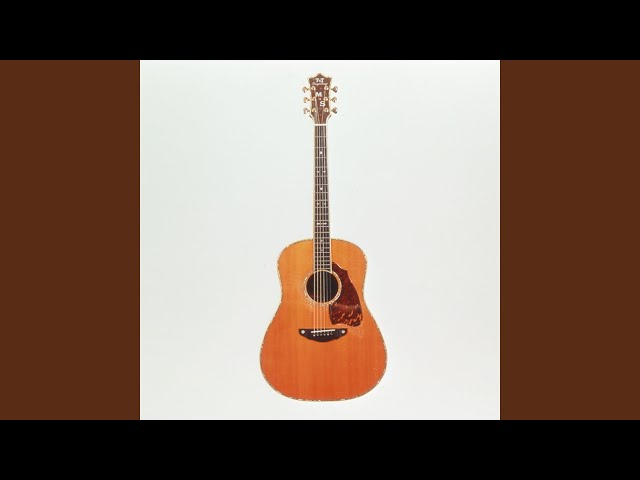
Among people in their 60s, those in the latter half of the decade likely experienced the heyday of folk music.
Many of you may have been particularly struck by Masashi Sada’s lyrics, overflowing with originality and narrative depth.
Of all his songs, the one I especially recommend is Kakashi.
Its range is an average mid1 A# to mid2 F#, and because the pitch movement is fairly steady, it’s easy for anyone to sing.
The melody has an ennui-like mood, so be sure to sing it together and get the vibe going.

Ah, there are tears in life.Satomi Kotaro/Yokouchi Tadashi

This is a song every Japanese person knows.
It’s packed with all kinds of references and is fascinating in many ways.
Even now, after several seasons, this theme song still doesn’t get old—you’ll probably find even more to enjoy by watching and listening.
Please do try performing it at karaoke.
homeKiyama Yusaku
A moving ballad filled with warm father-to-child love and hopes for growth has been delivered by Yusaku Kiyama.
His gentle, calm voice conveys deep affection for family, and despite its straightforward storytelling, it leaves a lasting resonance in the listener’s heart.
Released in February 2008, the song was featured as the ending theme for Nippon TV’s “UtaSta!!” and Yomiuri TV’s “Joho Live Miyane-ya,” and it also led to his appearance at the 59th NHK Kohaku Uta Gassen that same year.
For karaoke, it’s recommended when you want to reflect on family memories or express gratitude to someone special.
It’s a tender, warmth-filled song—like softly returning someone’s hand squeeze under a bright sky.
I won’t fall in love anymore.Makihara Noriyuki
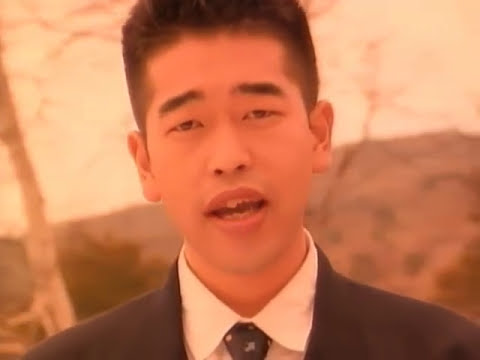
A signature song by Noriyuki Makihara, distinguished by its heartwarming melody that embraces both the ache of heartbreak and a brave front.
It gently portrays memories of a former lover and the nostalgia of everyday life, while the protagonist’s resolve to move forward resonates deeply with listeners.
Released in May 1992, it was chosen as the theme song for the NTV drama “After the Children Are Asleep.” Included on the album “Kimi wa Boku no Takaramono,” it became a major hit, ranking 7th on Oricon’s year-end chart.
This piece is a companion for those standing at life’s crossroads.
When you gather with friends for karaoke, its universally relatable lyrics and melody are sure to warm the heart.
HERO (The time to become a hero is now)Kai Band

This song is the 11th single by the Kai Band, released in December 1978.
Although they were unknown at the time, it became a hit after being featured in a watch commercial.
The ad, which included appearances by the band members, was broadcast simultaneously on all commercial TV stations at exactly midnight on January 1, 1979.
It’s a great karaoke pick for someone with a slightly bad-boy vibe.

Oh, sake!Yoshi Ikuzo

One of his signature songs.
I think just about everyone has heard it at least once, and as I get older, the lyrics resonate with me more and more.
I don’t think you have to sing it perfectly.
It’s nice if you can change the feel of it with your own voice.
Street Corner of BetrayalKai Band

The rock band Kai Band gained popularity with their catchy lyrics, thematic depth, and wide musical range.
They’ve produced many classic songs, but the one I especially recommend is Uragiri no Machikado (Street Corner of Betrayal).
Among Kai Band’s tracks, this song has one of the narrowest vocal ranges.
Because of that, it’s very easy to sing even for people in their 60s who may struggle to hit higher notes.
At after-parties and karaoke, your throat can take a beating, so if you want something easier to sing, definitely give this one a try.