

Japanese karaoke songs that are easy for men in their 60s to sing

This time, we checked out Japanese songs that are easy for men in their 60s to sing at karaoke! They’re known for being generally easy to sing, with comfortable pitch, tempo, and volume.
They could make a great addition to your repertoire.
Take this opportunity to use it as a reference!
- [Men in their 60s] Even if you're not good at singing, it's okay! Easy-to-sing songs for karaoke
- [For People in Their 60s] Karaoke Songs That Get the Crowd Going: Ranking [2026]
- [For People in Their 60s] Ranking of Easy-to-Sing Karaoke Songs [2026]
- Karaoke songs that are sure to get a 60-something man fired up
- Recommended Japanese karaoke songs for men in their 60s
- Popular Japanese songs among men in their 60s: recommended masterpieces and classic tracks
- Good songs recommended for people in their 60s: classic and popular Japanese tracks
- Songs Women Want Men to Sing: Popular Karaoke Picks Chosen by Girls
- For Men in Their 50s: No Worries If You’re Tone-Deaf! A Curated Selection of Easy-to-Sing Karaoke Songs
- Karaoke songs where even men with low voices can aim for high scores
- A love song that makes a man in his sixties relive his youth. Timeless classics that rekindle the romances of those days.
- [60s] Karaoke Popularity Rankings by Generation [2026]
- [2026 Edition] Songs Loved by People in Their 60s: Classic Hits from Their Youth
Karaoke songs in Japanese that are easy for men in their 60s to sing (41–50)
A café in a student districtGaro
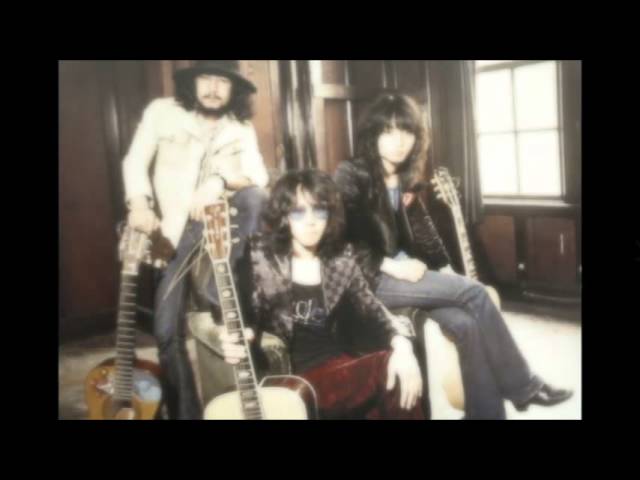
This is a famous song by Garo, released in 1972.
Many people in their 60s may say their roots are in folk music, and Garo is one of the few folk groups to have performed on the NHK Kouhaku Uta Gassen.
The composition was by Koichi Sugiyama, a hitmaker known for Group Sounds-related songs.
He is also known as a composer for video games.

Karaoke songs in Japanese that are easy for men in their 60s to sing (51–60)
So sad I can’t bear itZa Fōku Kurusedāzu

“Kanashikute Yarikirenai” is the second single by The Folk Crusaders.
It was released in 1968.
Because “Imjin River,” which had been slated as the second single, was pulled from release, this song was created to take its place.
It is said that Kazuhiko Kato composed it by connecting the chords of “Imjin River” in reverse.
Farewell, my loverSakai Masaaki

This song is the solo debut single by Masakazu Sakai, who belonged to the Group Sounds band The Spiders, and it was released in 1971.
Although he is now best known for his work as a host and entertainer, he is also an excellent singer with a refreshing voice.
Many artists have covered this song.
In the Great Sky and on the Vast EarthMatsuyama Chiharu

This song is especially popular among men in their 60s and is sung by many people.
Its gentle melody and beautiful, relatable lyrics are well loved.
Because the melody is calm and not difficult in terms of pitch, it’s recommended even for those who aren’t confident in their singing.

Another SaturdayHamada Shogo

Shogo Hamada’s classic “Another Saturday.” Although this song is renowned for being easy to sing, that doesn’t mean it has a narrow vocal range.
In fact, it spans a fairly typical range of mid1 C to mid2 F.
So why is it considered easy? Because the average pitch centers around mid2 A#, the so-called “A,” which sits in the middle area where humans find it easiest to produce sound.
The vocal line also has few dramatic rises and falls, so as long as you adjust the key properly, it’s a song with which anyone can aim for a high score.

Funky Monkey BabyKyaroru

A quintessential Carol song that wraps a straightforward love story in breezy rock ’n’ roll, remaining as vibrant as ever.
It portrays the protagonist’s pure feelings as he becomes captivated by his lover’s playful gestures, carried by a melodious sound.
Released in June 1973, it achieved an exceptional 300,000 sales for a rock band at the time.
Its edgy guitar riffs and rhythmic phrases left a significant mark on the history of Japanese rock.
The track was also included on the album “Funky Monkey Baby.” With its catchy melody and infectious rhythm, this song is perfect for getting hyped with close friends at karaoke.
Burn, you fine womantsuisuto

For men in their 60s, rock bands were likely an important part of the pages of their youth.
Among them, many probably felt their hearts race at the full-on masculinity of The TWIST’s sound.
That’s why I recommend “Moero Iiyo-na” (“Burn, Lovely Woman”).
Sera Masanori is known for his striking shouts, but he keeps them moderate on this track.
The range spans mid1 C# to hi A, which is on the slightly wider side for a male song, but not unmanageable—adjust the key and you should be able to sing it without trouble.
It’s a surefire crowd-pleaser, so consider adding it to your repertoire.