

Japanese karaoke songs that are easy for men in their 60s to sing

This time, we checked out Japanese songs that are easy for men in their 60s to sing at karaoke! They’re known for being generally easy to sing, with comfortable pitch, tempo, and volume.
They could make a great addition to your repertoire.
Take this opportunity to use it as a reference!
- [Men in their 60s] Even if you're not good at singing, it's okay! Easy-to-sing songs for karaoke
- [For People in Their 60s] Karaoke Songs That Get the Crowd Going: Ranking [2026]
- [For People in Their 60s] Ranking of Easy-to-Sing Karaoke Songs [2026]
- Karaoke songs that are sure to get a 60-something man fired up
- Recommended Japanese karaoke songs for men in their 60s
- Popular Japanese songs among men in their 60s: recommended masterpieces and classic tracks
- Good songs recommended for people in their 60s: classic and popular Japanese tracks
- Songs Women Want Men to Sing: Popular Karaoke Picks Chosen by Girls
- For Men in Their 50s: No Worries If You’re Tone-Deaf! A Curated Selection of Easy-to-Sing Karaoke Songs
- Karaoke songs where even men with low voices can aim for high scores
- A love song that makes a man in his sixties relive his youth. Timeless classics that rekindle the romances of those days.
- [60s] Karaoke Popularity Rankings by Generation [2026]
- [2026 Edition] Songs Loved by People in Their 60s: Classic Hits from Their Youth
Karaoke songs in Japanese that are easy for men in their 60s to sing (51–60)
MonicaYoshikawa Koji

People around 60 to 63 are the generation that experienced the peak of the second band boom.
Since the band craze continued through acts like COMPLEX and BOØWY, those who have kept following rock have probably listened to Koji Kikkawa’s songs a lot.
One track I recommend is Monica.
Its vocal range is slightly on the high side at about mid1 D to hi A#, but since notes around mid2 C to mid2 D appear frequently, you won’t really feel a wide range is required.
The pitch movement is also relatively gentle, making it very easy to sing.
It’s a song that can get people in their 50s excited too, so definitely add it to your repertoire.

countrysideTamaki Kōji

Even after suspending activities with Anzen Chitai, Koji Tamaki has continued to leave behind numerous masterpieces as a singer-songwriter.
Among his many great songs, the one I especially recommend for being easy to sing and guaranteed to get the crowd going is Den-en.
Although its vocal range is very narrow—mid1D to mid2E—it still has well-crafted points of excitement, making it a song with an outstanding balance of singability and energy.
Definitely consider adding it to your repertoire.
RunawayRATS&STAR
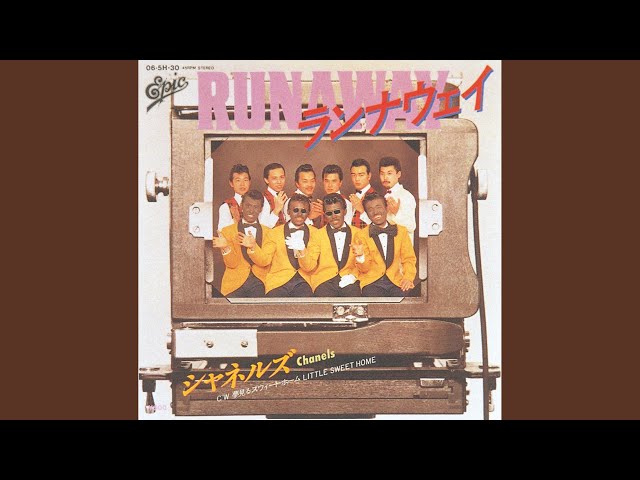
When it comes to the groups that laid the foundation for soul music and R&B in Japan, Rats & Star surely comes to mind.
As their black-coated appearance suggested, they had deep respect for Black music.
Their song “Runaway” is one of their signature tracks, blending elements of Black music with kayōkyoku and J-pop into a very singable style.
The vocal range is relatively narrow, from mid1 D# to mid2 G, so as long as you focus on the groove, you should be able to aim for a high score.
interaction; friendly contact; bondingNakamura Masatoshi

Masatoshi Nakamura has been active across a wide range of fields as an actor and singer.
As a singer, his main profession is acting, so it’s not that he possessed exceptionally high technical skill, but his expressive vocals did help him establish a place for a time.
Among Nakamura’s songs, one I especially recommend as an easy pick for aiming high karaoke scores is Fureai.
Its vocal range is quite narrow, spanning from mid1 A to mid2 D#, the tempo is a moderate BPM 123, and the melodic movement is much gentler compared to contemporary songs, so it should be quite feasible to target a high score.
If the end of the chorus is difficult to project, instead of using mixed voice, another option is to raise the key by one or two steps and sing it in falsetto.
Japanese karaoke songs that are easy for men in their 60s to sing (61–70)
Sorrow like snow

This song portrays the warmth of people felt amid winter’s cold, evoking a brightness within poignancy.
It was also used as the theme song for the drama “Ai to Iu Na no Moto ni,” and has long been loved as one of Shogo Hamada’s definitive winter classics.
The powerful layering of the band and chorus strongly suggests a hopeful feeling of moving forward.
Its gently ranged melody and relaxed tempo make it easy to sing, so be sure to fully grasp the emotions embedded in the lyrics as you perform.

ChinatownYazawa Eikichi

Eikichi Yazawa has produced many classic songs over the years.
There are likely many men in their 60s who have been fans since the Carol era.
Among his tracks, one I especially recommend is Chinatown.
The song’s vocal range is relatively narrow, from mid1 B to mid2 G#.
If you’re just following the pitch, it should be quite manageable.
However, because Yazawa employs a shout-infused singing style, trying to imitate that can make the difficulty skyrocket.
So, rather than sticking too closely to the original, aim to sing it in a comfortable key for you.
Dramatic RainInagaki Junichi
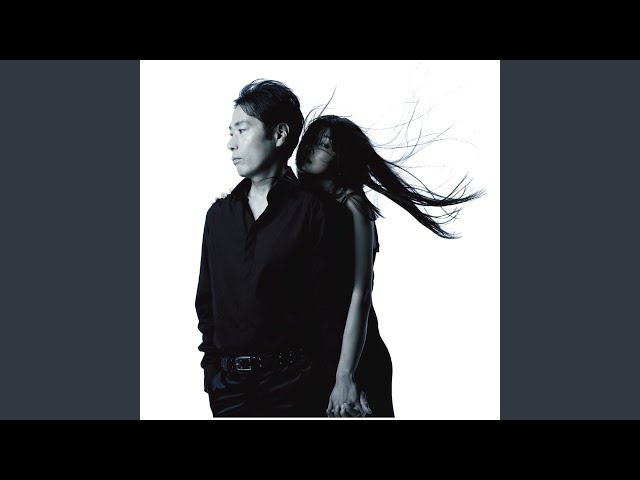
Junichi Inagaki is a male singer with a distinctive and memorable vocal tone.
Known for his unique musical style that blends city pop and AOR into Japanese kayōkyoku, he has produced many classic songs.
Among them, the one I especially recommend for aiming for a high score is Dramatic Rain.
With a relatively narrow vocal range of mid1 D# to hi A and a gently undulating vocal line, it should be manageable for men in their 60s who are accustomed to kayōkyoku melodies.
Be sure to check it out.