

Japanese karaoke songs that are easy for men in their 60s to sing

This time, we checked out Japanese songs that are easy for men in their 60s to sing at karaoke! They’re known for being generally easy to sing, with comfortable pitch, tempo, and volume.
They could make a great addition to your repertoire.
Take this opportunity to use it as a reference!
- [Men in their 60s] Even if you're not good at singing, it's okay! Easy-to-sing songs for karaoke
- [For People in Their 60s] Karaoke Songs That Get the Crowd Going: Ranking [2026]
- [For People in Their 60s] Ranking of Easy-to-Sing Karaoke Songs [2026]
- Karaoke songs that are sure to get a 60-something man fired up
- Recommended Japanese karaoke songs for men in their 60s
- Popular Japanese songs among men in their 60s: recommended masterpieces and classic tracks
- Good songs recommended for people in their 60s: classic and popular Japanese tracks
- Songs Women Want Men to Sing: Popular Karaoke Picks Chosen by Girls
- For Men in Their 50s: No Worries If You’re Tone-Deaf! A Curated Selection of Easy-to-Sing Karaoke Songs
- Karaoke songs where even men with low voices can aim for high scores
- A love song that makes a man in his sixties relive his youth. Timeless classics that rekindle the romances of those days.
- [60s] Karaoke Popularity Rankings by Generation [2026]
- [2026 Edition] Songs Loved by People in Their 60s: Classic Hits from Their Youth
Karaoke songs in Japanese that are easy for men in their 60s to sing (21–30)
DepartureMatsuyama Chiharu
It’s Chiharu Matsuyama’s debut song, released in 1977, and one of his signature works.
This song is a memorable one for me because I performed it as a duo with a student, singing while playing.
The structure repeats the opening melody several times, and the chorus finally appears toward the end.
The overall vocal range is C#3 to B4, with a big lift at the chorus, so the high notes come at the end.
It might be a bit high, but if you nail the high part, it’s a really cool song.
Be careful not to force the high notes and strain your throat.
Sing so that your head and chest resonate and your whole body carries the sound.
Since you’ll need plenty of breath, try to inhale deeply using diaphragmatic breathing, and make a conscious effort to project your voice accordingly.

FanfareTamaki Kōji

As the theme song for TBS’s Sunday Theater drama “The Royal Family” for the October 2025 season, it’s becoming a go-to karaoke staple, especially popular among men in their 50s.
The lyrics resonate with generations rich in life experience, and they connect with the drama’s grand story depicting horse racing and family bonds.
With Koji Tamaki’s powerful vocal ability, you can pull off a cool performance by switching between a spoken, narrative style and a strong, belted style.
When hitting high notes, focus on quick vocal attack and keeping an open breath pathway so you don’t overstrain—this helps you produce sound comfortably without stressing your throat.
Proper preparation before singing is essential!
Let’s get married.yoshida takurou
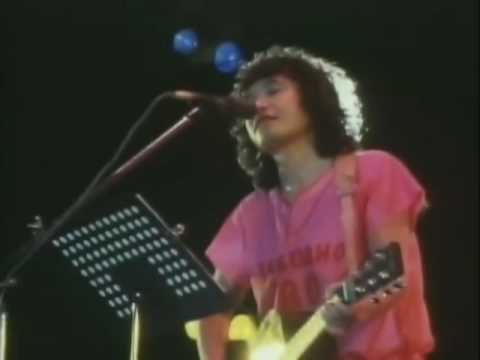
This song is a single released in 1972 by Takuro Yoshida, one of the leading figures in Japanese folk music.
You can’t help but feel the era in the lines about hair, yet it seems the song felt very new at the time.
True to the lyrics, Yoshida reportedly held his wedding that June at a church in Karuizawa, Nagano Prefecture.
Why not recall the Showa era and give it a sing yourself?

The Bride SambaGō Hiromi

It’s been loved for many years as a wedding song classic, hasn’t it? “Oyome Samba,” released as a single in 1981.
It features a lively, mood-lifting style and Hiromi Go’s vibrant vocals.
Some of you might even say it’s already your go-to karaoke number.
Though it has an upbeat vibe and sounds like it’s in a higher range, it’s actually surprisingly low.
If you want to liven up a big group karaoke session, this is the first song I’d recommend!

Do whatever the hell you want.sawada kenji
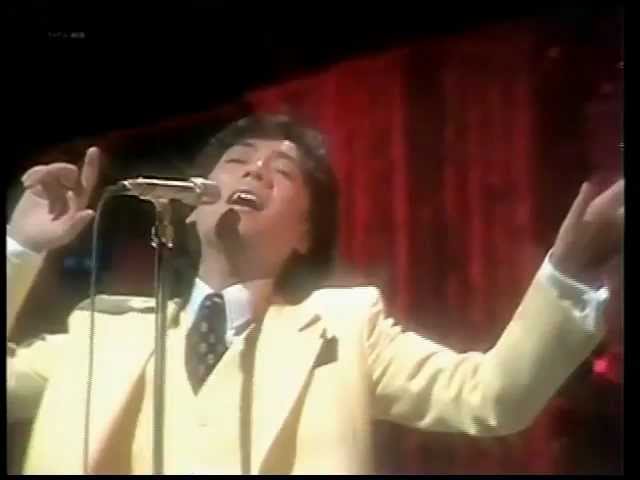
This is a 1977 hit by Kenji Sawada—better known as Julie—who was also famous for his flashy performances and costumes.
When he sang this song, he wore a cream-colored three-piece suit and performed a move where he threw a hat worn at a slant.
If you have a hat, we highly recommend tossing it and striking a dashing pose.
This is a song where performance skills matter more than vocal power.
era; age; time; periodNakajima Miyuki

Jidai (The Times) is a song written and composed by Miyuki Nakajima, released by Nakajima herself in 1975.
In later years, it became beloved as a song sung at graduation ceremonies and featured in music textbooks, and in 2007 it was selected as one of the “100 Best Japanese Songs.” It is a classic that has been covered by many artists.
Be sure to add it to your repertoire, too.
You are more beautiful than a rose.Fuse Akira

This song is by Akira Fuse, released in 1979, and it was used in a cosmetics commercial.
The composer is Mickey Yoshino, and the backing band members were from Godiego.
Since the lyrics describe how a woman the singer hasn’t seen in a long time has become beautifully transformed, it’s a song that can score high points when performed in front of women.
The difficulty level is on the higher side, but it’s worth the challenge.