

[Tchaikovsky] Pick up famous and representative pieces!

Pyotr Ilyich Tchaikovsky, a towering composer who represents Romantic-era Russia.
From ballet music such as Swan Lake and The Sleeping Beauty to works like the Piano Concerto No.
1 and several symphonies, he created numerous masterpieces that continue to be loved to this day.
Tchaikovsky’s music conveys richly colored, delicate melodies and a brilliant, dramatic musicality.
In this article, we introduce Tchaikovsky’s celebrated and representative works.
We’ve selected pieces ranging from famous tunes to lesser-known gems worthy of being called masterpieces—be sure to check them out!
- Rachmaninoff’s masterpieces. Recommended pieces by Rachmaninoff.
- Classical Masterpieces: Recommended Works You Should Hear at Least Once
- [Orchestra] Introducing famous and popular pieces
- Bedřich Smetana: A selection of famous and representative works!
- Highlighting the masterpieces and popular works of Mikhail Glinka, the pioneering composer of Russian music
- Debussy’s masterpiece. Popular classical music.
- Classic masterpieces recommended for women
- Rimsky-Korsakov’s Masterpieces | The Vividly Colorful World of Russian Music
- Robert Schumann | Introduction to his famous and representative works
- Masterpieces of Ballet Music: Introducing Classic Favorites
- Masterpieces of the Romantic Era: A sweeping introduction to soul-stirring, celebrated gems!
- Pick up Beethoven’s famous and representative works!
- Stravinsky’s masterpiece. Popular classical music.
[Tchaikovsky] Picked Masterpieces and Signature Works! (1–10)
Waltz from the ballet music Swan LakePyotr Tchaikovsky

This work, known as one of the defining masterpieces of Tchaikovsky’s ballet music, was composed between 1875 and 1876 and premiered in Moscow in March 1877.
It is characterized by a lively rhythm and a bright atmosphere that color the festive scenes.
Tchaikovsky employed innovative techniques not previously attempted in ballet music to depict characters and onstage events.
For example, he uses different keys to interweave the various elements of the story.
Through beautiful melodies and refined orchestration, he deftly conveys emotions of hope and despair, love and loss, creating a masterpiece that continues to move audiences to this day.
Please give it a listen!
Symphony No. 4, Op. 36Pyotr Tchaikovsky

Composed by Tchaikovsky between 1877 and 1878, this work was created during a pivotal turning point in his life.
The turmoil of his personal affairs—such as the collapse of his marriage and the support he received from Nadezhda von Meck—is powerfully reflected in it.
The “fate motif” introduced by the brass at the opening symbolizes the inescapable force of destiny and resonates deeply with listeners.
Consisting of four movements, it brilliantly conveys emotions that sway between despair and hope, and it stands out as a masterpiece imbued with distinctly Russian melancholy.
It is a highly recommended piece for those who wish to experience Tchaikovsky’s inner conflicts and emotional fluctuations.
The Nutcracker: Dance of the Sugar Plum FairyNEW!Pyotr Tchaikovsky

This work depicts the mystique of fairies within The Nutcracker, the masterpiece ballet known to all.
The clear tone of the celesta—a percussion instrument Pyotr Ilyich Tchaikovsky encountered in Paris—overlaps with shadowy responses from the lower instruments, creating an unsettling resonance within its transparency.
Premiered as an orchestral suite in March 1892, it was later used in Disney’s Fantasia, released in November 1940, and has long been cherished as music that colors the winter season.
Beneath its cuteness lies a sensation like chilly magic dust drifting through the air—perfect for those who wish to savor a tingling, extraordinary, and mysterious atmosphere.
[Tchaikovsky] A selection of famous and representative works (11–20)
Divine Liturgy of St. John Chrysostom, Op. 41Pyotr Tchaikovsky
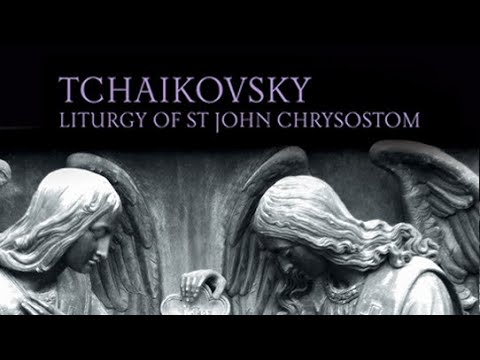
An unaccompanied mixed-chorus piece for Orthodox prayer composed in 1878, it was also sung at Tchaikovsky’s funeral.
Working on church music brought Tchaikovsky great joy, but it seems to have been little appreciated by the church authorities.
It’s recommended when you want to listen to Tchaikovsky’s works beyond his orchestral and piano music.
Miniature Overture from The Nutcracker (ballet music)Pyotr Tchaikovsky

As indicated by the word “Miniature,” this overture that opens the ballet The Nutcracker is a very charming piece.
The cellos and double basses never appear, and the low-register wind instruments also sit out.
It’s a somewhat unusual work, scored only for mid- and high-range instruments.
Violin Concerto in D major, Op. 35Pyotr Tchaikovsky

Although it is considered a masterpiece today, when this piece was first completed it was harshly criticized by many performers and critics.
However, the Russian violinist Brodsky quickly recognized its true value, and as he performed it around the world, it gradually received high acclaim.
In the third movement, you can hear the Russian folk dance Trepak, which also appears in The Nutcracker.
Symphony No. 5, Op. 64Pyotr Tchaikovsky

It’s a popular symphony affectionately known as “Chai 5” in amateur orchestras.
The horn solo in the second movement is exquisitely beautiful, delivering a romantic melody.
The rousing finale of the fourth movement is a big favorite among student orchestras.
Every movement is easy to listen to.