

[Tchaikovsky] Pick up famous and representative pieces!

Pyotr Ilyich Tchaikovsky, a towering composer who represents Romantic-era Russia.
From ballet music such as Swan Lake and The Sleeping Beauty to works like the Piano Concerto No.
1 and several symphonies, he created numerous masterpieces that continue to be loved to this day.
Tchaikovsky’s music conveys richly colored, delicate melodies and a brilliant, dramatic musicality.
In this article, we introduce Tchaikovsky’s celebrated and representative works.
We’ve selected pieces ranging from famous tunes to lesser-known gems worthy of being called masterpieces—be sure to check them out!
- Rachmaninoff’s masterpieces. Recommended pieces by Rachmaninoff.
- Classical Masterpieces: Recommended Works You Should Hear at Least Once
- [Orchestra] Introducing famous and popular pieces
- Bedřich Smetana: A selection of famous and representative works!
- Highlighting the masterpieces and popular works of Mikhail Glinka, the pioneering composer of Russian music
- Debussy’s masterpiece. Popular classical music.
- Classic masterpieces recommended for women
- Rimsky-Korsakov’s Masterpieces | The Vividly Colorful World of Russian Music
- Robert Schumann | Introduction to his famous and representative works
- Masterpieces of Ballet Music: Introducing Classic Favorites
- Masterpieces of the Romantic Era: A sweeping introduction to soul-stirring, celebrated gems!
- Pick up Beethoven’s famous and representative works!
- Stravinsky’s masterpiece. Popular classical music.
[Tchaikovsky] Picking out famous and representative pieces! (41–50)
Children’s Album, Op. 39 – No. 20: The WitchPyotr Tchaikovsky
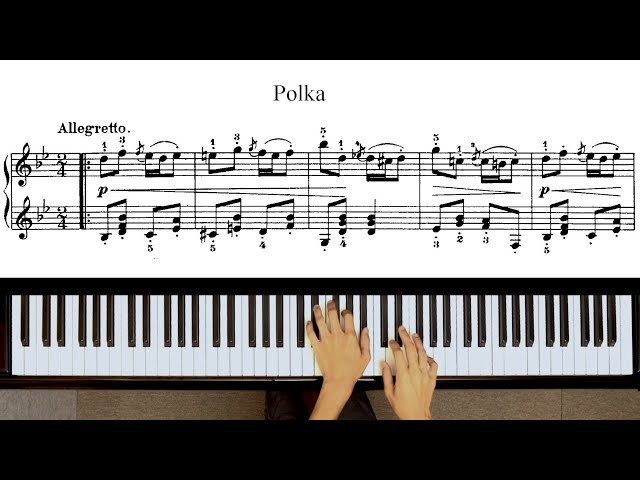
This piece, which carries an ominous air as if something bad is about to happen, is one of the piano miniatures from Pyotr Tchaikovsky’s Album for the Young, Op.
39, dedicated to his nephew.
It’s said that the affectionate gift had all its sketches completed by May 1878.
In this work, the swift tempo captures both the witch’s uncanny allure and a comically frightening mood—perfect for Halloween.
The collection containing this piece was first published in October 1878.
It’s great as background music, but if you play it on the piano, it’s sure to liven up any party.
Aim for a dramatic performance with a brisk, crisp touch that evokes a witch darting through the air!
“Chinese Dance” from The Nutcracker ballet musicPyotr Tchaikovsky

In The Nutcracker, the “Tea” Fairy’s “Chinese Dance” is an adorable piece, featuring twirls performed with an index finger held upright.
The flute’s melody is charming, and the pizzicato in the strings (plucking the strings with the fingers) adds a nice accent.
Suite ‘The Nutcracker,’ Op. 71a – TrepakPyotr Tchaikovsky
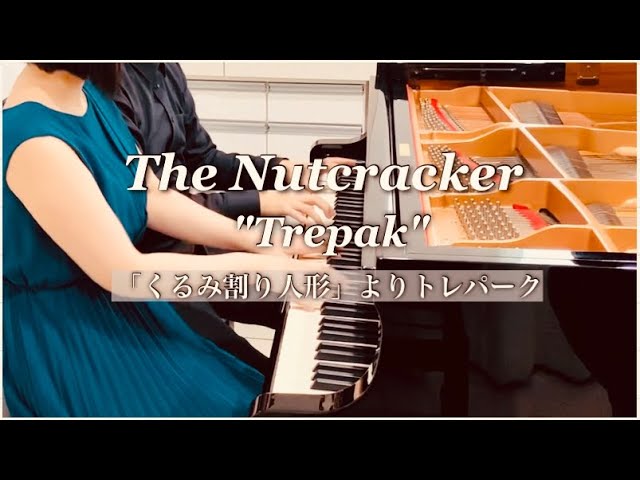
How about the suite The Nutcracker by Pyotr Tchaikovsky? This piece comes from the ballet The Nutcracker.
While the original is known as an orchestral work, there are also scores arranged for piano four hands.
Among those, a particularly popular and dazzling selection is the Russian Dance, or Trepak.
Some people associate it with the movie Home Alone, but the piece used in the film is a different work composed very much in a similar vein with a similar character.
From the very beginning, the music bursts with a lively melody and a sense of drive.
Thanks to its brilliant, joyful character, it’s an excellent recommendation as a duet piece for a recital.

Violin Concerto in D major, Op. 35Pyotr Tchaikovsky

At today’s concert, this is probably the most frequently performed violin concerto.
It is one of the “Big Four” concertos, and beyond its technical difficulty, it combines brilliant, richly expressive melodies, making it a highly accomplished work.
Violin ConcertoPyotr Tchaikovsky
It’s a very brilliant, sparkling concerto.
It’s in D major, and you can truly enjoy the dazzling sonorities characteristic of that key.
It captures the essence of the violin and brings out its appeal to the fullest.
The virtuosic writing in the third movement is a highlight.
Six Pieces: “Nocturnes”Pyotr Tchaikovsky

It is an introspective piece, fitting for the stillness of night, included in the album “Six Pieces, Op.
19.” The work envelops the listener in a warm yet sentimental atmosphere, as if overhearing the composer’s personal confession.
Completed in the autumn of 1873, it is striking for the bell-like sonorities—reminiscent of ballet music—that accent the tear-inducing, beautiful melody.
There is also an arrangement for cello and small orchestra, offering a different, deeper emotional resonance from the original.
A masterpiece perfect for a night of quietly dwelling in sorrow and conversing with your own heart.
Dumka in C minor, Op. 59Pyotr Tchaikovsky

This is a piano work by Pyotr Tchaikovsky that conjures up the vast Russian countryside.
Composed in February 1886, it adopts a form whose title in Ukrainian means “a novel in thoughts.” It opens quietly with a deeply plaintive melody, but in the middle section it suddenly turns passionate, like a folk dance, with emotions bursting forth.
In the end, however, it returns to silence and closes with a sound even more resigned than at the opening.
Interweaving sorrow with festive joy, this piece is one to hear when you want to linger in a sentimental mood while also savoring a dramatic unfolding.