


Vegetable edition! Who am I? Quiz. Try to see how many you can solve!

“Who Am I?” quizzes are a classic game that can liven up a quick break or a chat with friends.
In this article, we’ll present a “Who Am I?” quiz with a vegetable theme! Using hints about the vegetables’ colors, shapes, nutrients, and cooking methods, try to guess which vegetable is being described.
You can think it through on your own, or team up with family or friends—both are great options.
Even kids who dislike vegetables might get curious and want to try them after playing the quiz!
Vegetable edition! Who am I? Quiz. Try to see how many you can solve! (1–10)
I am wrapped in a skin. I’m often sold at food stalls. The inside is granular.

See the answer
corn
Corn, with its many kernels wrapped in a husk, is a common sight at festival stalls. You can recreate that stall-style flavor at home by boiling or microwaving it first, then grilling it with soy sauce or butter. When summer arrives and corn is in season, be sure to enjoy it as a snack!

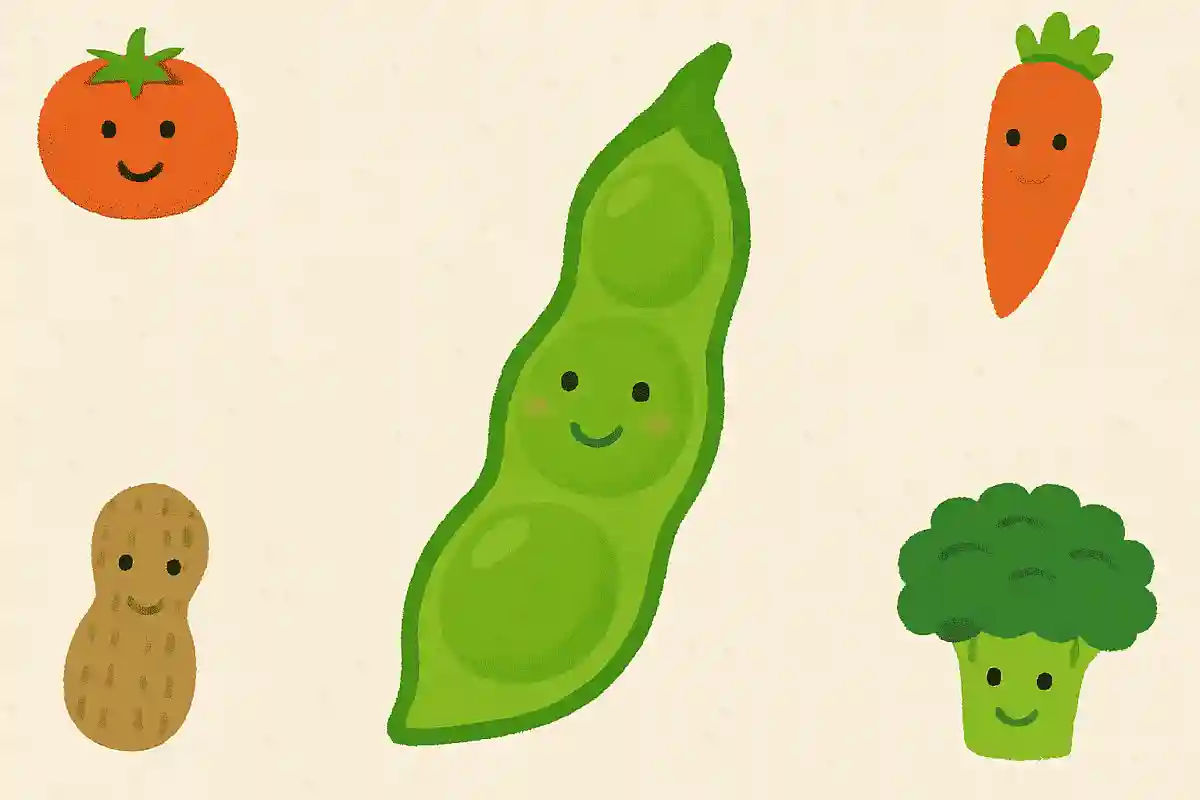
My skin is green. I’m a classic accompaniment to alcohol. I’m a bean.
See the answer
edamame
Edamame are green soybeans wrapped in green pods. Many people consider them indispensable as a snack with alcohol. In fact, edamame and the soybeans used to make tofu and miso are the same thing. When soybeans are harvested while still young, they’re called edamame rather than soybeans. If you leave them unharvested, they become mature soybeans.
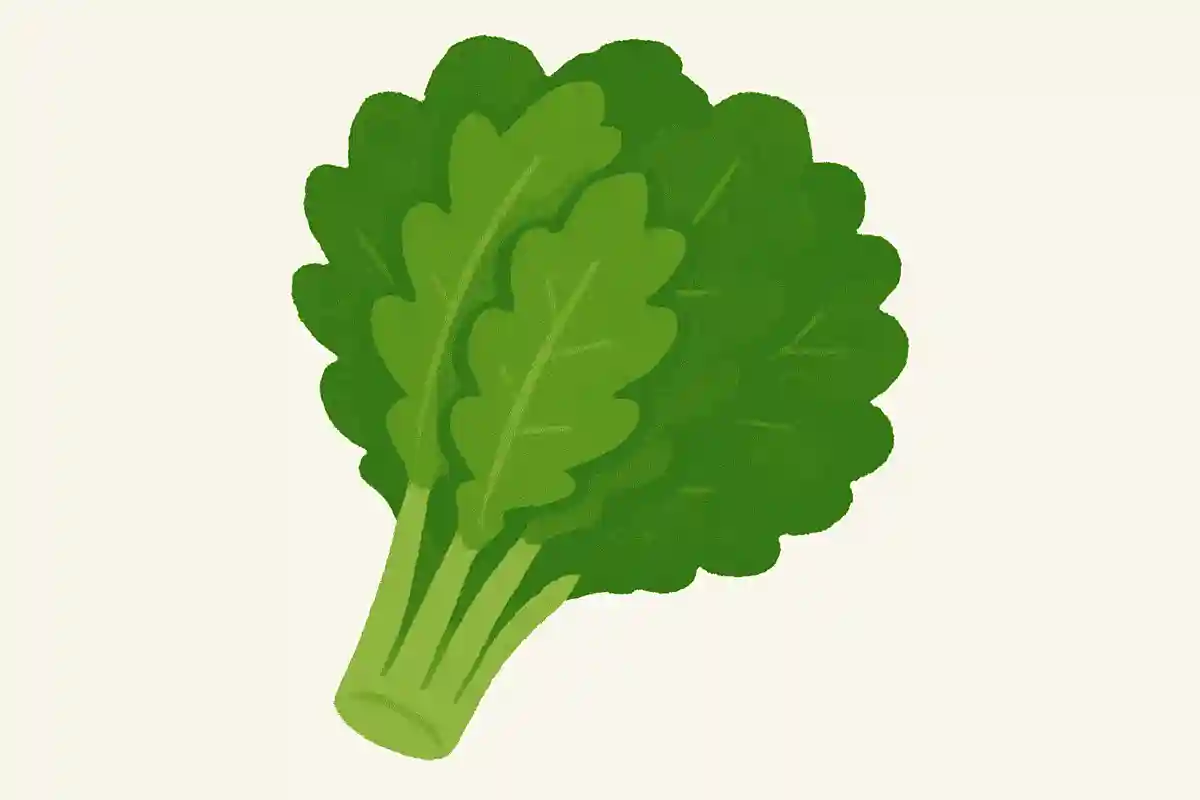
I am made up of many leaves. I am often used as a side dish. I can be eaten all year round.
See the answer
cabbage
With only the hint that it’s made of many leaves, other vegetables like napa cabbage or lettuce also come to mind, but with the other hints we can probably arrive at cabbage. It’s an indispensable side for fried dishes like tonkatsu and fried shrimp.
I am orange. I’m often used in curry. I’m rich in beta-carotene.

See the answer
carrot
Speaking of the standout orange in curry, it has to be carrots! Beta-carotene, which is abundant in carrots, is the component that gives them their vibrant orange color. It’s very good for your health, so try not to be picky—be sure to eat your carrots!
I am long and thin. I am brown. I am not eaten much outside Japan.

See the answer
burdock (root)
Kinpira, chikuzen-ni, burdock root salad… Burdock is an essential ingredient on Japanese tables, but surprisingly it’s not often eaten overseas. As you can tell from its long, thin, brown appearance, the part that’s eaten is the root. Young burdock is said to have edible stems and leaves as well.

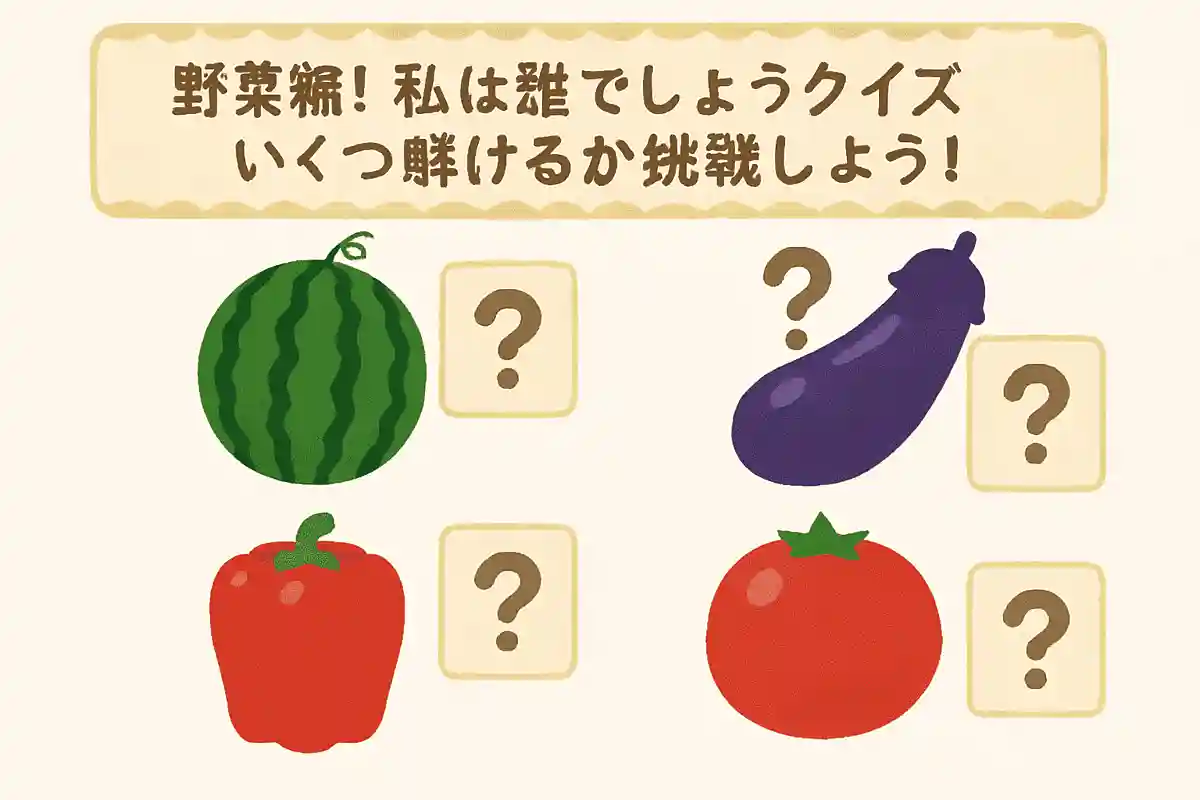
Summer is my season. I was originally for ornamental use. I am sweet and sour.
See the answer
tomato
Sweet-and-tangy tomatoes are a summer-season vegetable. These days, it’s common to eat them—whether added to salads or used in stir-fries—but when they first arrived in Japan during the Edo period, they weren’t considered food; they were for viewing. Indeed, their bright, cute red appearance makes a striking ornamental presence.
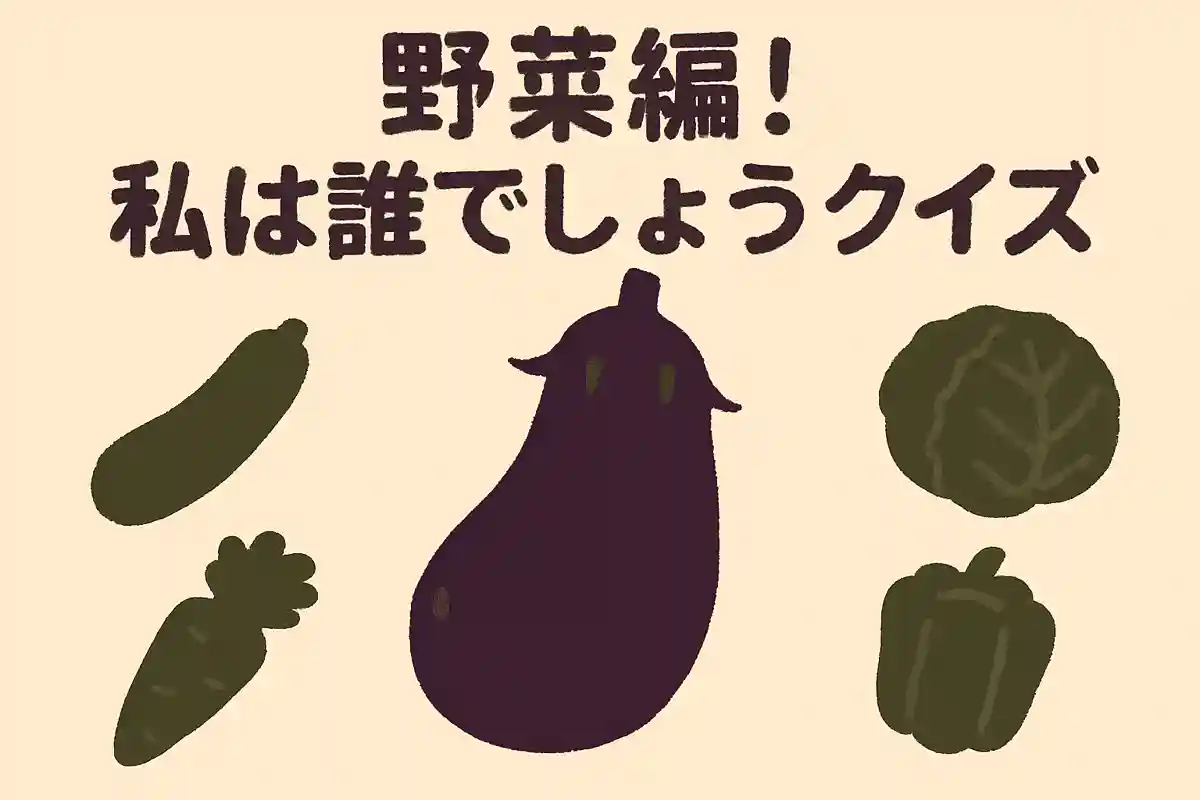
I am deep purple. My calyx has thorns. In autumn, people say I shouldn’t be served to one’s wife.
See the answer
eggplant
When you think of a dark purple vegetable with a calyx, it’s eggplant, right? The spines on the calyx are said to be there to protect it from insects. The proverb “Aki-nasu wa yome ni kuwassuna” (“Don’t let your daughter-in-law eat autumn eggplants”) has various interpretations, ranging from simple spite to a caution that eggplants can cool the body, among others.