

[Violin] A curated selection of beloved classic masterpieces and popular pieces that continue to be cherished across eras


The violin, an instrument beloved since the Baroque era—the very roots of classical music.
At times graceful, at times passionately expressive, the violin’s richly nuanced tone continues to soothe our hearts.
In this article, we introduce classical masterpieces that let you fully enjoy the charm of the violin, adored both as a solo instrument and as the star of orchestras and ensembles.
We’ll also share tidbits about the historical context of their composition and the composers themselves, so even newcomers to classical music can enjoy with ease!
- [Masterpiece Classics] A special showcase of gem-like masterpieces so beautiful they’ll move you to tears
- Cool classical masterpieces. Recommended classical music.
- Timelessly beautiful classical masterpieces. Recommended classical music.
- [Quartet] Masterpieces and Popular Pieces for String Quartet
- A poignant classic masterpiece. Recommended classical music.
- Classical Masterpieces: Recommended Works You Should Hear at Least Once
- Masterpieces of Ballet Music: Introducing Classic Favorites
- [Orchestra] Introducing famous and popular pieces
- Mendelssohn’s Masterpieces | Popular Classical Music
- Brahms's masterpieces. Popular classical music.
- Taro Hakase’s famous and popular songs
- Cello Masterpieces: A comprehensive introduction to exquisite classical works that let you savor its profound timbre
- Today's Classics: Recommended classical music and great performances to listen to today
[Violin] Carefully Selected Timeless and Beloved Classical Masterpieces and Popular Pieces (1–10)
Dance of DeathCamille Saint-Saëns

Danse macabre is a very famous symphonic poem by the French composer Camille Saint-Saëns.
It was originally composed as an art song and later completed as an orchestral work in 1874.
While it is also well known in Franz Liszt’s piano solo arrangement, the orchestral version itself features a violin solo, and there is also a version arranged by the composer for violin and piano.
The work’s eerie yet beautiful atmosphere comes across fully in the violin-and-piano version as well.
If you’re thinking of trying it on the violin, be sure to check it out.

CsárdásVittorio Monti

“Csárdás” is a type of Hungarian music, but the piece introduced here was composed by Vittorio Monti, an Italian composer.
The version arranged for violin with piano accompaniment is extremely famous and is also known for its high level of difficulty.
The first half has a relaxed atmosphere, allowing for an elegant and passionate performance, while from the middle onward it turns into a light, urgent dance.
The rapid violin passages showcased there make a particularly powerful impression.
Many people may recognize the piece because figure skater Mao Asada used it for her free program during the 2006–2007 season.
Prelude and Allegro in the Style of PugnaniFritz Kreisler

There is a violinist from Vienna known for his sweet, highly expressive performance style.
His name is Fritz Kreisler, and his talent was admired around the world.
Born in 1875, he left numerous achievements in the world of music.
The piece “Praeludium and Allegro in the Style of Pugnani” is a masterpiece packed with Kreisler’s technique and creativity.
In this work, a majestic prelude merges with a lively allegro to move the listener’s heart.
The world woven from deep musicality and virtuosity makes it a perfect recommendation for anyone who wants to fully experience the allure of the violin.
[Violin] Carefully Selected Classic Masterpieces and Popular Pieces Loved Across Eras (11–20)
Violin Concerto in E minor, Op. 64Felix Mendelssohn

One of the representative composers of the early Romantic era is Felix Mendelssohn.
While respecting the traditions of Classicism, he left many works rich in emotion.
Published in 1845, this piece is a masterpiece that fuses advanced violin technique with beautiful melody.
The passionate theme of the first movement and the gentle melody of the second movement captivate many listeners.
It is a work that conveys Mendelssohn’s unique delicacy and vitality.
Recommended for those who want to become familiar with classical music or savor the charm of the violin.
Loved across generations, this piece can be enjoyed by a wide audience.
La CampanellaNiccolò Paganini

The fame of Niccolò Paganini, the master violinist born in Italy, has been passed down through generations.
His innovative performance techniques had a profound impact on the development of violin music.
His talent was widely recognized, including being awarded a decoration by the Pope in 1827.
This work is characterized by a lively melody that imitates the sound of bells.
It uses advanced techniques to evoke the resonance of bells, creating a festive atmosphere for the listener.
It is recommended not only for those interested in classical music but also for anyone captivated by the timbre of bells.
HumoresqueAntonín Dvořák
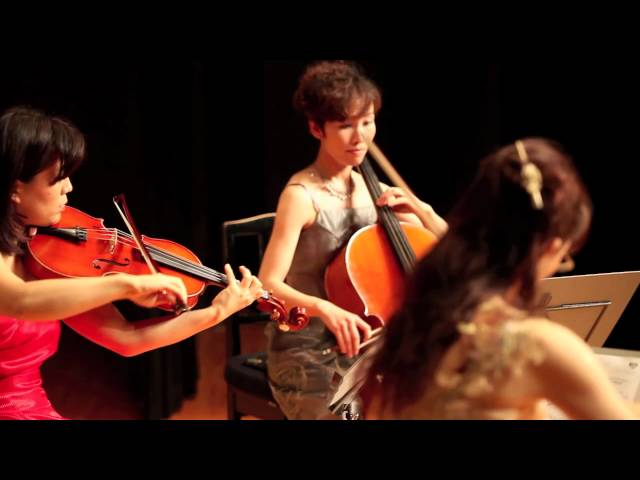
When it comes to composers who embody the warmth and folk-inflected character of Czech music, Antonín Dvořák immediately comes to mind.
A leading figure of the late 19th century, he has captivated countless listeners.
In 1894, while on vacation in his homeland, he completed a set of short piano pieces.
Drawing on musical ideas he had collected during his stay in America, the work is characterized by bright, approachable melodies.
It is often performed on the violin, and its lively tunes carry a touch of nostalgia that captures the listener’s heart.
It’s also recommended for those new to classical music—give it a listen when you want a soothing, restorative time.
Like a melodyJohannes Brahms(Jascha Heifetz)

Born in 1833, Johannes Brahms was a German composer who epitomized the Romantic era, known for works that fuse deep emotion with advanced technique.
This particular song by Brahms is characterized by delicate melodies and introspective themes.
In Jascha Heifetz’s arrangement, the violin and piano convey emotions beyond words.
The piece sets heartfelt reflections to melody, portraying feelings that cannot be spoken.
It is recommended for those who wish to savor profound emotion through music—a work that lets you fully appreciate the violin’s beautiful resonance and Brahms’s musicality.