

[Violin] A curated selection of beloved classic masterpieces and popular pieces that continue to be cherished across eras


The violin, an instrument beloved since the Baroque era—the very roots of classical music.
At times graceful, at times passionately expressive, the violin’s richly nuanced tone continues to soothe our hearts.
In this article, we introduce classical masterpieces that let you fully enjoy the charm of the violin, adored both as a solo instrument and as the star of orchestras and ensembles.
We’ll also share tidbits about the historical context of their composition and the composers themselves, so even newcomers to classical music can enjoy with ease!
- [Masterpiece Classics] A special showcase of gem-like masterpieces so beautiful they’ll move you to tears
- Cool classical masterpieces. Recommended classical music.
- Timelessly beautiful classical masterpieces. Recommended classical music.
- [Quartet] Masterpieces and Popular Pieces for String Quartet
- A poignant classic masterpiece. Recommended classical music.
- Classical Masterpieces: Recommended Works You Should Hear at Least Once
- Masterpieces of Ballet Music: Introducing Classic Favorites
- [Orchestra] Introducing famous and popular pieces
- Mendelssohn’s Masterpieces | Popular Classical Music
- Brahms's masterpieces. Popular classical music.
- Taro Hakase’s famous and popular songs
- Cello Masterpieces: A comprehensive introduction to exquisite classical works that let you savor its profound timbre
- Today's Classics: Recommended classical music and great performances to listen to today
[Violin] Carefully Selected Timeless and Beloved Classical Masterpieces and Popular Pieces (51–60)
Caprice BasquePablo de Sarasate

Although Sarasate is best known for Zigeunerweisen and Carmen Fantasy, he composed many other violin pieces as well.
Among them, this piece is frequently performed by renowned violinists.
It also demands left-hand technique, allowing listeners to enjoy timbres not usually heard.
Even just listening, it feels remarkably fresh.
Skylark AscendingRalph Vaughan Williams

The Lark Ascending is a work by the British composer Ralph Vaughan Williams, completed in 1920 with the collaboration of the British violinist Marie Hall.
Although a draft had reportedly been written by 1914, the composer’s involvement in the war meant it was not completed at that time.
It was first premiered as a violin solo with piano accompaniment, and was later re-premiered in London as the now well-known “Romance for Violin and Orchestra.” Additionally, in Classic FM’s annual “Hall of Fame” for classical music, it has been voted the greatest work a record 11 times.
Its pastoral melody evokes boundless blue skies and open landscapes.
It’s a piece I highly recommend experiencing live in a concert hall!

Violin Concerto No. 5Wolfgang Amadeus Mozart

The final piece is Mozart’s Violin Concerto No.
5.
Also known as the “Turkish,” it is a concerto that incorporates the Turkish vogue that was popular at the time.
Mozart was 19 when he composed it, yet it is so accomplished that it stands comparison with violin concertos of any era, and it continues to be performed in many venues today.
Beautiful RosemaryFritz Kreisler
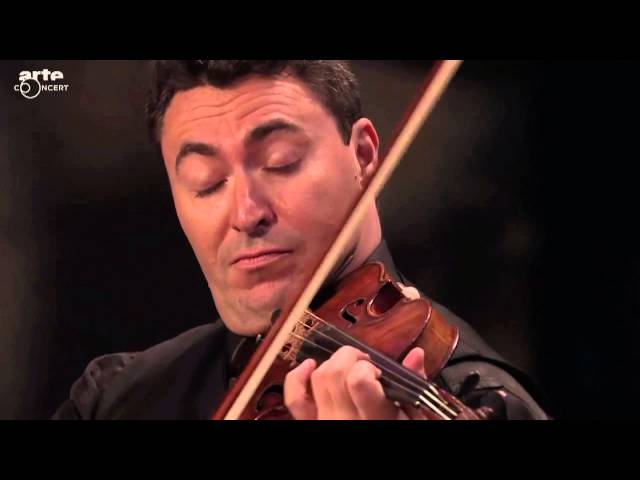
Often presented as part of the trilogy for violin and piano by Fritz Kreisler—alongside Liebesfreud (Love’s Joy) and Liebesleid (Love’s Sorrow)—Schön Rosmarin is a frequent favorite.
Kreisler himself loved to perform these three pieces as encores, and many performers still include them as encore selections in modern concerts.
Unfolding in 3/4 time, Schön Rosmarin, like the other two works, features an elegant and graceful melody that is pleasing to the ear, and its piano arrangement is sometimes used as music for ballet class.
Recordings of Kreisler’s own performances also survive, so those interested might enjoy seeking them out on CD or vinyl.
[Violin] Carefully Selected Timeless and Beloved Classical Masterpieces and Popular Pieces (61–70)
Ballades and PolonaisesHenri Vieuxtemps

Vieuxtemps was a Belgian composer and violinist active in the 19th century.
An important musician who laid the foundations of today’s Franco-Belgian school, he wrote many violin pieces for his own performances.
He was one of the virtuosos—like Liszt—who reached a masterful level through exceptional performance technique and ability.
In his Ballade and Polonaise as well, a wide array of uniquely violinistic techniques are employed, making it a striking piece with many showpieces.
It is a memorable work featuring a gentle melody and a lively rhythm.

La FoliaArcangelo Corelli

This piece is extremely famous among string ensembles and Baroque orchestras, and in fact, both Rachmaninoff and Kreisler arranged it.
It begins with a memorable theme and is colored by a style well suited to the harpsichord or organ.
In the finale, it elegantly synthesizes the preceding material, delivering a compelling and convincing conclusion.
Violin Sonata No. 2 in A major, RV 31Antonio Vivaldi

Vivaldi is famous for composing The Four Seasons, but he also wrote many violin sonatas.
Among them, this piece may be the most accessible, as it begins with a vigorous opening and is performed based on dance forms that were popular at the time.