

[Violin] A curated selection of beloved classic masterpieces and popular pieces that continue to be cherished across eras


The violin, an instrument beloved since the Baroque era—the very roots of classical music.
At times graceful, at times passionately expressive, the violin’s richly nuanced tone continues to soothe our hearts.
In this article, we introduce classical masterpieces that let you fully enjoy the charm of the violin, adored both as a solo instrument and as the star of orchestras and ensembles.
We’ll also share tidbits about the historical context of their composition and the composers themselves, so even newcomers to classical music can enjoy with ease!
- [Masterpiece Classics] A special showcase of gem-like masterpieces so beautiful they’ll move you to tears
- Cool classical masterpieces. Recommended classical music.
- Timelessly beautiful classical masterpieces. Recommended classical music.
- [Quartet] Masterpieces and Popular Pieces for String Quartet
- A poignant classic masterpiece. Recommended classical music.
- Classical Masterpieces: Recommended Works You Should Hear at Least Once
- Masterpieces of Ballet Music: Introducing Classic Favorites
- [Orchestra] Introducing famous and popular pieces
- Mendelssohn’s Masterpieces | Popular Classical Music
- Brahms's masterpieces. Popular classical music.
- Taro Hakase’s famous and popular songs
- Cello Masterpieces: A comprehensive introduction to exquisite classical works that let you savor its profound timbre
- Today's Classics: Recommended classical music and great performances to listen to today
[Violin] Carefully Selected Timeless and Beloved Classical Masterpieces and Popular Pieces (31–40)
Violin ConcertoCamille Saint-Saëns

Saint-Saëns is known as the composer of works such as The Carnival of the Animals, but he also appears to have been gifted in other areas, including organ performance, astronomy, mathematics, and painting.
This concerto remains popular today as a piece that every student is sure to play at least once.
Overture and Tarantella, Op. 43Pablo de Sarasate

Spanish composer Pablo de Sarasate was a prodigious violinist who made his debut at the age of eight.
Overture and Tarantella moves from a leisurely, elegant overture into a lively tarantella in 6/8 time, the traditional dance of Naples, Italy.
It’s a celebrated piece that lets you revel in the violin’s beautiful tone as well as in fiery, dazzling virtuosity.
You can almost feel the sun-drenched atmospheres of Spain and Naples.

Violin Concerto No. 3Wolfgang Amadeus Mozart

From here, I will introduce three of Mozart’s violin concertos.
The Third Concerto was Mozart’s first hit among his violin concertos and seems to have been well received by audiences of the time.
The first movement borrows material from one of Mozart’s own operas and is characterized by a brilliant, festive impression.
Violin Concerto No. 1 in G minorMax Bruch

Bruch’s Violin Concerto.
Many performers have played it, and Akiko Suwanai’s performance is also wonderful.
Suwanai is one of Japan’s leading classical violinists.
This piece is the first concerto Bruch composed and is considered one of his signature works.
It’s in G minor—minor keys are often associated with darkness—but within that darkness there is intensity, elegance, and calm, making it a superb work.
It’s a highly recommended concerto to hear in concert.
Bruch’s Violin Concerto lets you enjoy the violin’s full range, from its lowest to its highest notes.

Scherzo-TarantellaHenryk Wieniawski
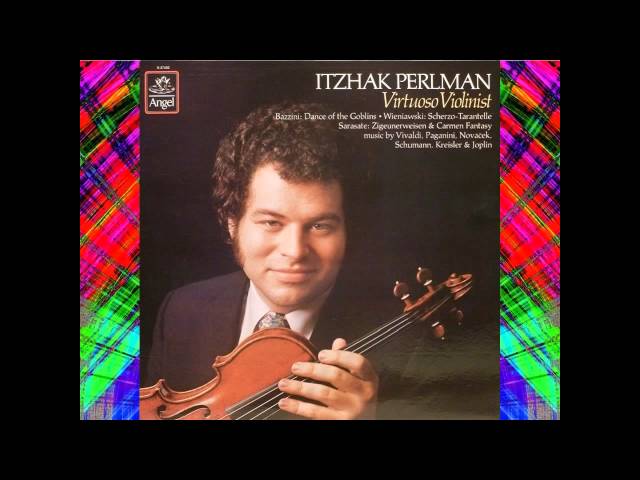
Wieniawski was a Polish-born violinist who represents the 19th century.
As a virtuoso himself, the pieces he composed invariably demand extremely advanced technique.
His Scherzo-Tarantella is also imbued with dazzling violin virtuosity.
At the opening, the piano presents the rhythm of the tarantella—a fast-tempo dance from Naples, Italy—in octaves, after which the violin makes a brilliant entrance.
Combining techniques such as double stops and harmonics, this piece is packed with opportunities for the violinist to showcase their prowess.

[Violin] Carefully Selected Classic Masterpieces and Popular Pieces Loved Across the Ages (41–50)
Violin Sonata “The Devil’s Trill”Giuseppe Tartini
A piece composed based on a dream Tartini himself had while sleeping.
Apparently, in the dream, the devil was playing the violin—and kept sounding trills over and over.
As a result, the second movement features rapid trills, and the third movement introduces double trills, which greatly heighten the excitement of the piece.
Chaconne from Violin Partita No. 2 for Solo ViolinJ.S.Bach

This is the Chaconne from the unaccompanied Violin Partita by the universally recognized “Father of Music,” J.
S.
Bach.
A “chaconne” is a type of variation piece in which an initial theme is repeated over and over in a variety of arrangements.
Bach’s Chaconne, admired for its beautiful melody and technical difficulty, remains a beloved masterpiece to this day.