

[Violin] A curated selection of beloved classic masterpieces and popular pieces that continue to be cherished across eras


The violin, an instrument beloved since the Baroque era—the very roots of classical music.
At times graceful, at times passionately expressive, the violin’s richly nuanced tone continues to soothe our hearts.
In this article, we introduce classical masterpieces that let you fully enjoy the charm of the violin, adored both as a solo instrument and as the star of orchestras and ensembles.
We’ll also share tidbits about the historical context of their composition and the composers themselves, so even newcomers to classical music can enjoy with ease!
- [Masterpiece Classics] A special showcase of gem-like masterpieces so beautiful they’ll move you to tears
- Cool classical masterpieces. Recommended classical music.
- Timelessly beautiful classical masterpieces. Recommended classical music.
- [Quartet] Masterpieces and Popular Pieces for String Quartet
- A poignant classic masterpiece. Recommended classical music.
- Classical Masterpieces: Recommended Works You Should Hear at Least Once
- Masterpieces of Ballet Music: Introducing Classic Favorites
- [Orchestra] Introducing famous and popular pieces
- Mendelssohn’s Masterpieces | Popular Classical Music
- Brahms's masterpieces. Popular classical music.
- Taro Hakase’s famous and popular songs
- Cello Masterpieces: A comprehensive introduction to exquisite classical works that let you savor its profound timbre
- Today's Classics: Recommended classical music and great performances to listen to today
[Violin] Carefully Selected Classic Masterpieces and Popular Pieces Loved Across the Ages (41–50)
Violin Sonata No. 18 in G major, K. 301Wolfgang Amadeus Mozart

A gem composed by Wolfgang Amadeus Mozart, one of the quintessential genius composers of the 18th century, during his stay in Mannheim.
This sprightly sonata for violin and piano is a captivating two-movement work that interweaves elegance and sweetness.
It also reflects the context of Mozart’s search for a court position at the time, imbued with his passion.
Characterized by graceful, gentle melodies, it brings a sense of calm to the listener—perfect for relieving stress—and is an excellent piece for those new to classical music.
[Violin] Carefully Selected Timeless and Beloved Classical Masterpieces and Popular Pieces (51–60)
Sorrow of LoveFritz Kreisler

Liebesleid (Love’s Sorrow), by the world-renowned Austrian violinist and composer Fritz Kreisler, forms a pair with his Liebesfreud (Love’s Joy), and together with Schön Rosmarin (Beautiful Rosemary) is sometimes referred to as a trilogy for violin and piano.
Set in a calm triple meter, the violin weaves an elegant yet faintly melancholic melody—truly beautiful to hear.
A famous version arranged for solo piano by the eminent Russian pianist Sergei Rachmaninoff, who was acquainted with Kreisler, also exists.
The piece appears as well in the popular manga Your Lie in April, so if you’re interested, be sure to check it out.

Sonata in a minor for Violin and Piano: Allegro ben moderatoCésar Franck

The first movement of the Violin Sonata composed by Franck in 1886.
Franck was a composer and organist active in France in the 19th century.
Written in sonata form without a development section, its opening on a dominant ninth chord rather than the tonic is highly striking.
The piece offers showcase moments for both violin and piano.
Within its melancholic calm, flashes of intensity and passion occasionally emerge, making it a compelling work to listen to.

Violin Concerto in E major, Op. 64, MWV O 14: I. Allegro molto vivaceFelix Mendelssohn

A concerto for violin and orchestra composed by Mendelssohn in 1844.
It combines radiant brilliance with both a sense of joy and melancholy, offering gentle emotion, balanced form, and above all, irresistibly beautiful melodies.
Alongside Beethoven’s Op.
61 and Brahms’s Op.
77, it is hailed as one of the three great violin concertos.
Hora StaccatoGrigoraş Dinicu
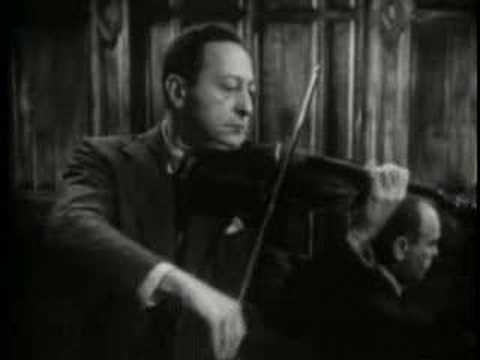
Grigoraș Dinicu, a Romanian composer renowned in the realm of contemporary classical music, is best known for works primarily written for violin and piano.
His consistent musicality has been highly acclaimed over many years.
Among his pieces, Hora Staccato is especially famous—a lively, brisk, and cheerful composition that has won wide popularity.

Violin ConcertoJean Sibelius

Sibelius was a composer from the Nordic country of Finland, known for works such as Finlandia.
The concerto he left behind is like a painting that evokes Nordic landscapes.
The beautiful violin solo in the first movement is a must-hear.
Violin Sonata in D majorJean-Marie Leclair

Because Leclair composed several pieces featuring the violin, he is known only among violinists.
While making use of double stops to weave a divine melody, he somehow ends the piece with a subtitle of “Tambourine,” bringing it to a close in the style of a folk dance.