

[Violin] A curated selection of beloved classic masterpieces and popular pieces that continue to be cherished across eras


The violin, an instrument beloved since the Baroque era—the very roots of classical music.
At times graceful, at times passionately expressive, the violin’s richly nuanced tone continues to soothe our hearts.
In this article, we introduce classical masterpieces that let you fully enjoy the charm of the violin, adored both as a solo instrument and as the star of orchestras and ensembles.
We’ll also share tidbits about the historical context of their composition and the composers themselves, so even newcomers to classical music can enjoy with ease!
- [Masterpiece Classics] A special showcase of gem-like masterpieces so beautiful they’ll move you to tears
- Cool classical masterpieces. Recommended classical music.
- Timelessly beautiful classical masterpieces. Recommended classical music.
- [Quartet] Masterpieces and Popular Pieces for String Quartet
- A poignant classic masterpiece. Recommended classical music.
- Classical Masterpieces: Recommended Works You Should Hear at Least Once
- Masterpieces of Ballet Music: Introducing Classic Favorites
- [Orchestra] Introducing famous and popular pieces
- Mendelssohn’s Masterpieces | Popular Classical Music
- Brahms's masterpieces. Popular classical music.
- Taro Hakase’s famous and popular songs
- Cello Masterpieces: A comprehensive introduction to exquisite classical works that let you savor its profound timbre
- Today's Classics: Recommended classical music and great performances to listen to today
[Violin] Carefully Selected Timeless and Beloved Classical Masterpieces and Popular Pieces (21–30)
Violin Concerto No. 4Wolfgang Amadeus Mozart

Next is Mozart’s Violin Concerto No.
4.
This work is also known as the “Military,” and, true to its name, the opening violin solo features a bold, martial rhythm, making it a lively and spirited concerto.
It’s a piece where Mozart’s playful spirit shines throughout.
Violin Partita No. 2 in D minor, BWV 1004: I. AllemandeJ.S.Bach

Johann Sebastian Bach is an indispensable composer when discussing Baroque music.
He is said to have laid the foundation of Western music, and in Japan, he is honored as the “Father of Music” for his great achievements.
This piece, Violin Partita No.
2 in D minor, BWV 1004: I.
Allemande, is one of his famous violin works and consists of five movements.
Today, it has also been arranged for instruments other than the violin.
It might be interesting to compare those arrangements as well.

[Violin] Carefully Selected Timeless and Beloved Classical Masterpieces and Popular Pieces (31–40)
Violin Concerto in D major, Op. 35Pyotr Tchaikovsky

At today’s concert, this is probably the most frequently performed violin concerto.
It is one of the “Big Four” concertos, and beyond its technical difficulty, it combines brilliant, richly expressive melodies, making it a highly accomplished work.
Rhapsody in the Style of a Concerto for Violin and OrchestraIfukube Akira
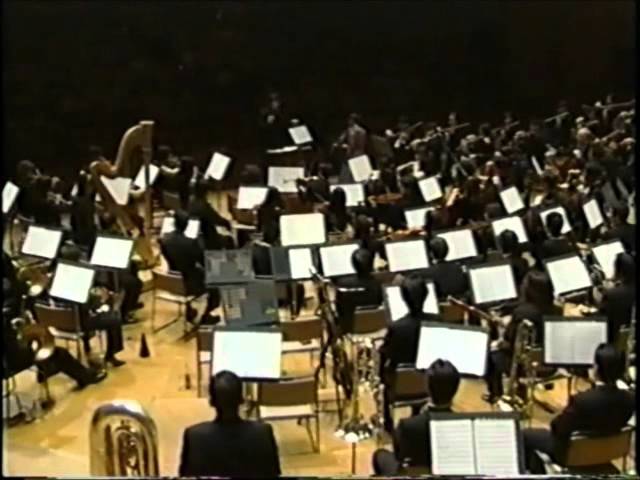
This is an ambitious work completed in 1948 by Akira Ifukube, one of Japan’s leading composers.
Ifukube conceived the piece during his prewar years in Sapporo, and after numerous revisions, the current version was finalized in 1971.
Written in a style close to gypsy violin and composed with an Asian sensibility, it skillfully expresses the fusion of Japanese ethnic character and Western music.
Structured in two movements—the melodic first movement and the rhythmic second—its virtuosic violin writing captivates listeners.
It is highly recommended for those interested in folk music or wishing to explore the appeal of Japanese classical music.
VocaliseSergei Rachmaninov

Rachmaninoff’s Vocalise, composed in 1915.
“Vocalise” refers to a vocal technique in which a piece is sung using only vowel sounds without lyrics.
This work was originally a song with piano accompaniment, but was later arranged for orchestra.
It is a sweetly lyrical piece that blends Russian melancholy with classical touches, such as the style of Gregorian chant and Baroque-era arias.

Violin Sonata No. 1 “Rain Song”Johannes Brahms

I will introduce two violin pieces by Brahms.
This violin sonata is based on one of the composer’s own songs, known as “Rain Song,” and its melody appears in various transformed guises throughout.
It is a very beautiful work, combining the meticulously crafted structure characteristic of Brahms with richly expressive, human emotion in its melodies.
Carmen FantasyPablo de Sarasate
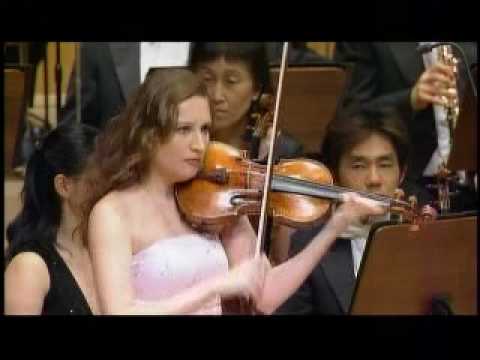
A piece by Sarasate.
Carmen Fantasy incorporates abundant virtuoso techniques while quoting melodies from Bizet’s opera Carmen.
In addition to Sarasate’s version, there is also Waxman’s version, and both are beloved as extremely difficult works.