

Masterpieces of classical piano that are too beautiful for words. A gathering of delicate tones that cleanse the soul.


The piano is a captivating instrument that transforms into a variety of expressions depending on the performer and the manner of interpretation.
Its delicate yet dynamic grace and its ineffable depth—paired with a vast palette of tones and rich resonance—are said to rival an entire orchestra with a single instrument.
This time, from among works that allow you to fully savor the piano’s timbre, we have selected pieces with a focus on “beauty.”
Whether you love to play the piano or to listen to it, we hope you will immerse yourself in its allure, savoring each delicate note one by one.
- Poignant and beautiful! A collection of recommended piano pieces
- It’s so cool if you can play these on the piano! A selection of irresistibly charming masterpieces.
- [Classical Piano Masterpieces] A carefully selected collection of moving pieces that will bring you to tears
- [For Adults] Recommended for Piano Recitals! A Curated Selection of Impressively Sounding Masterpieces
- Piano Masterpieces: Surprisingly Easy Despite Sounding Difficult!? A Curated Selection Perfect for Recitals
- [Masterpiece Classics] A special showcase of gem-like masterpieces so beautiful they’ll move you to tears
- [For Advanced Players] A Curated Selection of Classical Masterpieces to Tackle at Piano Recitals
- [Intermediate Level] A curated selection of piano masterpieces featuring strikingly brilliant melodies!
- [Calming Classics] Soothing masterpieces whose piano melodies gently touch the heart
- [Classical Music] All pieces under 3 minutes! A collection of short and cool piano pieces
- [Intermediate Level] Cool Piano Pieces You Can Play [Great for Recitals Too]
- Piano Masterpieces: Music you’ll want to listen to and play—beloved classic works
- Today's Piano: Masterpieces and Popular Pieces Woven with Delicate Tones
Masterpieces of Classical Piano That Are Too Beautiful: A Gathering of Delicate, Soul-Cleansing Tones (91–100)
Five Pieces (Tree Suite), Op. 75: No. 5 “The Spruce”Jean Sibelius

A work by Jean Sibelius, Finland’s celebrated national composer.
It is distinguished by a beauty that evokes the richness of Nordic nature.
The delicate piano touch vividly portrays the stately form of the spruce and the tranquil atmosphere of the forest.
Composed in 1914, this gem of a miniature was born in the year the First World War broke out.
One of its attractions is the demand for an improvisatory approach and the encouragement of free interpretation.
Please savor the feeling of strolling through Finland’s deep forests.
Fantasiestücke, Op. 3 No. 1: ElegySergei Rachmaninov

“Elegy,” the first piece in Sergei Rachmaninoff’s Fantaisie-Impromptu, Op.
3, completed in 1892.
Among the set, it is the piece most deserving of the description “fantastical,” and it is often performed at a gentle tempo.
For that reason, while it is not particularly demanding technically, simply laying out the notes can result in a monotonous, uninteresting performance.
By focusing on details—such as which notes the long-sustained tones are leading toward, which voice to bring out, and how to balance dynamics among the parts—you can shape a more beautiful and compelling interpretation.

Intermezzo, Op. 118 No. 2Johannes Brahms

A piece whose gentle, graceful melody seeps into the heart.
Like waves that ebb and flow, its unhurried lines carry deep emotion and quiet reflection.
Written in 1893, it is characterized by a singing right-hand melody supported by soft left-hand chords.
In the middle section, it unfolds with passion, yet returns to the calm theme, evoking the rises and falls of life.
Expressing the stillness of an autumn dusk and feelings held within, this work is ideal for those who wish to experience the piano’s profound allure or refine delicate expressive skills.
Rather than technical bravura, it calls for attention to color and emotional nuance—an invitation to take it on with care and sensitivity.
Songs Without Words, Book V, Op. 62 No. 5, No. 3: “Venetian Boat Song”Felix Mendelssohn

This is a piece from Felix Mendelssohn’s celebrated collection of piano miniatures, the masterpiece “Lieder ohne Worte” Op.
62.
The 6/8 accompaniment in the left hand deftly depicts a gondola gliding along the canals of Venice, while the right hand sings a melody like a plaintive song echoing over the water.
Its appeal lies in the way it conveys a poised dignity and elegance within sorrow, rather than being merely dark.
Published in 1844, this set is dedicated to Clara Schumann.
It is recommended for those times when you don’t want to force yourself to feel cheerful, but instead wish to surrender to this beautiful melody and savor the sensation of quietly sinking into the depths of your heart.
Seaside at Dusk, H.128: No. 3 “The Stormy Seashore”Bohuslav Martinů

Here’s a piano piece that will make you forget the summer heat: “Evening at the Shore, No.
3” from Bohuslav Martinů’s 1921 collection for solo piano, Evening at the Shore, H.128.
The piece vividly conjures the image of standing on a stormy shoreline, weaving the undulating motion of waves through arpeggios while balancing it with a firm sense of musical form.
The middle section surges with storm-like intensity, leading through a virtuosic cadenza before settling into a calm recapitulation—one of the work’s highlights.
It’s a piece that will sweep away summer languor and bring a cool breeze to the heart.
Highly recommended for those who want to immerse themselves in evocative musical scenery or who enjoy a dramatic musical arc.
Nocturne No. 2 in E-flat major, Op. 9 No. 2Frederic Chopin

There’s a gem of a piano piece by Frédéric Chopin that will make you forget the summer heat.
Composed between 1830 and 1832, it’s included in the renowned collection Nocturnes, Op.
9, and is praised for its exquisitely sweet and wistful melody.
The singing right-hand line sparkles like stars in the night sky, gently supported by the left-hand accompaniment.
Listening to it feels purifying to the soul.
It has been memorably used in the film 127 Hours (2010) and the anime Girls’ Last Tour (2017), so many of you may already know it.
This work is a perfect choice for anyone who wants to feel a cool, tranquil mood through the beautiful tones of the piano on a quiet night.
Songs Without Words, Book II, Op. 30, No. 1: MeditationFelix Mendelssohn
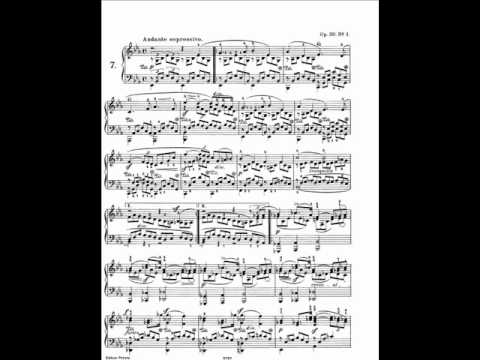
This work, notable for its slow and gentle melody in E-flat major, is one of the pieces from the Songs Without Words published in Bonn in May 1835.
Evoking the atmosphere of quiet meditation, it combines rich lyricism with relatively modest technical demands.
Cast in ternary form, it features a coherent structure and simple yet profound emotional expression, making it a valuable teaching piece for developing a pianist’s expressiveness.
It is an ideal choice for those looking to broaden their repertoire or seeking a calm, reflective piece.
Livia Rév’s 1986 recording received France’s Grand Prix du Disque and is highly acclaimed for its delicate interpretation.