

Masterpieces of classical piano that are too beautiful for words. A gathering of delicate tones that cleanse the soul.


The piano is a captivating instrument that transforms into a variety of expressions depending on the performer and the manner of interpretation.
Its delicate yet dynamic grace and its ineffable depth—paired with a vast palette of tones and rich resonance—are said to rival an entire orchestra with a single instrument.
This time, from among works that allow you to fully savor the piano’s timbre, we have selected pieces with a focus on “beauty.”
Whether you love to play the piano or to listen to it, we hope you will immerse yourself in its allure, savoring each delicate note one by one.
- Poignant and beautiful! A collection of recommended piano pieces
- It’s so cool if you can play these on the piano! A selection of irresistibly charming masterpieces.
- [Classical Piano Masterpieces] A carefully selected collection of moving pieces that will bring you to tears
- [For Adults] Recommended for Piano Recitals! A Curated Selection of Impressively Sounding Masterpieces
- Piano Masterpieces: Surprisingly Easy Despite Sounding Difficult!? A Curated Selection Perfect for Recitals
- [Masterpiece Classics] A special showcase of gem-like masterpieces so beautiful they’ll move you to tears
- [For Advanced Players] A Curated Selection of Classical Masterpieces to Tackle at Piano Recitals
- [Intermediate Level] A curated selection of piano masterpieces featuring strikingly brilliant melodies!
- [Calming Classics] Soothing masterpieces whose piano melodies gently touch the heart
- [Classical Music] All pieces under 3 minutes! A collection of short and cool piano pieces
- [Intermediate Level] Cool Piano Pieces You Can Play [Great for Recitals Too]
- Piano Masterpieces: Music you’ll want to listen to and play—beloved classic works
- Today's Piano: Masterpieces and Popular Pieces Woven with Delicate Tones
Masterpieces of classical piano that are breathtakingly beautiful: a gathering of delicate, soul-cleansing tones (1–10)
Kinderszenen, Op. 15, No. 7: “Träumerei”Robert Schumann

Robert Schumann’s Träumerei enchants with a dreamlike, beautiful melody that makes you swoon.
It is the seventh piece in his collection Kinderszenen, Op.
15, a piano work for adults depicting a child’s heart.
Among the set, this particularly famous piece is performed not only on piano but also on violin, cello, flute, and many other instruments, capturing the hearts of a wide audience beyond classical music fans.
Savor it by listening closely, or immerse yourself in the beauty of its melody and harmony by playing it on the piano.
Enjoy it at a leisurely pace on a quiet autumn night.

Piano Sonata No. 3, Movement 3Alexander Scriabin

A beautiful and delicate work by the Russian composer Alexander Scriabin.
Written between 1897 and 1898, the third movement of his Piano Sonata No.
3 is characterized by quiet, gentle music.
Subtitled “Etat d’âme (State of the Soul),” the piece reflects Scriabin’s inner world, depicting an image of the soul drifting as it is enveloped in sorrow, melancholy, and vague feelings of love and desire.
It is also known as “The Stars Are Singing,” a name inspired by Scriabin himself reportedly exclaiming, “Here the stars are singing!” when he performed it.
Its delicate expression, like floating on a tranquil sea, gently cleanses the listener’s heart.
It is a work best heard on a quiet night while gazing at the stars.
Video Series 1, No. 1: “Shadows Reflected on Water”Claude Debussy

Claude Debussy, known as a pioneer of Impressionist music.
Composed in 1905, this work is the first piece, “Reflections in the Water,” from Book I of his four-volume collection Images.
It delicately portrays the shimmer and fluctuation of light and shadow on the water’s surface through refined tone colors, featuring complex harmonic progressions and fluid melodies.
It envelops the listener in a sensation as if watching the movement of water with one’s eyes.
Debussy broke free from traditional musical forms, emphasizing a nonlinear flow of music.
This piece was also an attempt to explore new timbres of the piano.
It is recommended for those who enjoy water-themed works or are interested in delicate sonic expression.
Masterpieces of Classical Piano That Are Simply Too Beautiful: A Gathering of Delicate, Soul-Cleansing Tones (11–20)
Nocturne No. 20 in C-sharp minor, Op. posth.Frederic Chopin
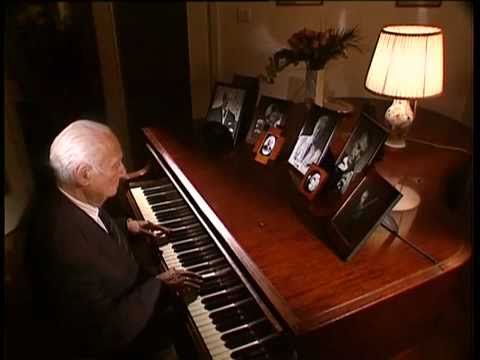
A nocturne composed by Frédéric Chopin in 1830.
Of the 21 pieces in the set, No.
20 was written as practice material for the Piano Concerto No.
2 and dedicated to his sister Ludwika.
Because it was published in 1875, twenty-one years after Chopin’s death, it is labeled “posthumous.” Marked Lento con gran espressione with a gentle tempo, it features a structure in which the right hand unfolds an emotionally rich melody over left-hand broken chords.
Formally in three parts—introduction, middle section, and recapitulation—its beautiful themes and brilliant ornaments heighten a melancholic atmosphere.
Reflecting Chopin’s inner emotions and contemplation, this work is recommended for those who wish to savor delicate tonal colors.
Piano Sonata No. 8 “Pathétique,” Second MovementLudwig van Beethoven
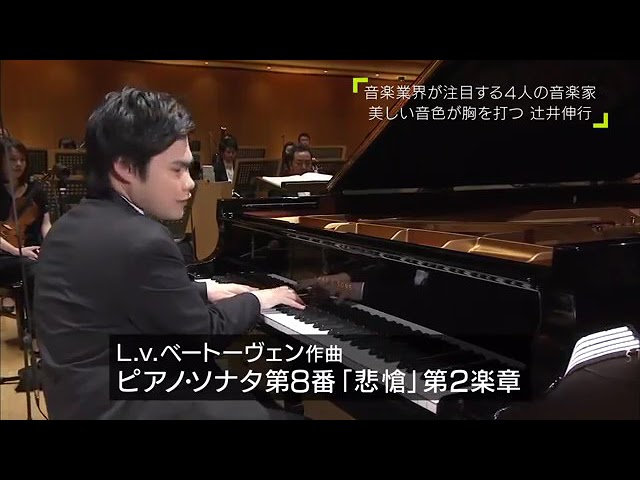
Beethoven’s Piano Sonata No.
8 “Pathétique” is a defining work from his early piano compositions.
Among its movements, the second is often said to be one of the most beautiful melodies Beethoven ever wrote, and it has been used frequently in films and television dramas.
While the melody is simple and the range not particularly wide, the accompanying parts are sonically rich, so the melody can easily get buried unless you listen carefully and balance the voices during performance.
Aim to play gently, being mindful of the gracefully flowing, soothing melody that warmly envelops the listener, as well as the weighty chords that support it.
Cantata “Jesu, Joy of Man’s Desiring” BWV 147J.S.Bach=Hess

This piece is known as part of a cantata composed by Johann Sebastian Bach in 1723.
The 1926 piano arrangement by the British pianist Myra Hess is particularly famous.
Over dazzling triplet arpeggios, a beautiful melody flows gently—like the murmur of a clear stream.
Based on lyrics that sing of faith in and joy for Jesus Christ, it is often performed at festive occasions such as Christmas and Easter.
Wrapped in a soothing, purifying timbre, it is a recommended piece for those who wish to spend a quiet moment in prayer.
Nocturne No. 2 in E-flat major, Op. 9 No. 2Frederic Chopin

A masterpiece by Frédéric Chopin whose beautiful melody purifies the heart.
Composed when he was around 20, this piece is still used in many contexts today, and surely most people have heard it at least once.
Its graceful waltz rhythm and delicate ornaments are captivating, offering a quiet yet deeply moving experience.
To highlight the nuances of the melody and expression, it is important to play the left-hand accompaniment gently.
While keeping an eye on the balance between both hands, aim for a soft, warm performance so the music doesn’t become mechanical.