

Brahms's masterpieces. Popular classical music.

Here are some recommended works from the many masterpieces left by the German composer Johannes Brahms.
If you get to know Brahms—hailed as one of the “Three Bs” of German music alongside Bach and Beethoven—you’ll be well on your way to becoming a classical music connoisseur.
His Symphony No.
1, composed with deep respect for Beethoven, was so strongly influenced by him that the conductor of its premiere, Hans von Bülow, famously called it “Beethoven’s Tenth Symphony.”
Please enjoy the world of Brahms, which continues to be cherished by classical music fans today.
- [Masterpiece Classics] A special showcase of gem-like masterpieces so beautiful they’ll move you to tears
- Johannes Brahms Popular Songs Ranking [2026]
- [Violin] A curated selection of beloved classic masterpieces and popular pieces that continue to be cherished across eras
- Robert Schumann | Introduction to his famous and representative works
- Cello Masterpieces: A comprehensive introduction to exquisite classical works that let you savor its profound timbre
- Masterpieces for Harp: A curated selection of distinguished works featuring noble and delicate tones
- Masterpieces of classical piano that are too beautiful for words. A gathering of delicate tones that cleanse the soul.
- Mozart: An Introduction to His Signature and Popular Works
- Gabriel Fauré | Introduction to His Famous and Representative Works
- [Quartet] Masterpieces and Popular Pieces for String Quartet
- Timelessly beautiful classical masterpieces. Recommended classical music.
- Mendelssohn’s Masterpieces | Popular Classical Music
- Today's Classics: Recommended classical music and great performances to listen to today
Brahms’s masterpieces. Popular classical music (51–60)
Six Pieces, Op. 118: No. 4, Intermezzo in F minorJohannes Brahms

Brahms’s set of piano pieces Six Pieces, published in 1893, is characteristic of his late style, marked by introspection and profound emotional expression.
The fourth piece has an atmosphere that, while gentle, contains instability and tension, and it showcases Brahms’s favored contrapuntal writing.
The opening’s restrained emotions gradually build, reach a climax, and then subside, ending as if fading away.
When performing it, it’s effective to create a striking contrast in the middle section.
It’s a piece that piano learners are highly encouraged to tackle.
Six Pieces, Op. 118 No. 5: RomanceJohannes Brahms

Brahms’s late collection Six Pieces is frequently performed at piano recitals.
While No.
2 is the most famous of the set, this time I’d like to introduce No.
5, “Romance.” Brahms is known for paying little heed to programmatic titles, yet this piece leaves a striking impression with its exquisitely refined, sweet character—especially the middle section, whose melody is particularly captivating.
That said, it is also quite demanding: there are fast passages that call for a certain amount of technical practice.
And because beautiful music relies on a delicate touch, it’s also recommended for those who want to refine their expressive palette and improve their relaxation and finger control.

Six Pieces, Op. 118 No. 2: Intermezzo in A majorJohannes Brahms

A short piano piece woven with kindness and deep emotion.
Completed in 1893, this late work by Brahms carries his special feelings for Clara Schumann—Robert Schumann’s wife and Brahms’s close friend.
Beneath its gentle melody lie quiet passion and nostalgia that resonate deeply with listeners.
There is no flashy virtuosity, but a strong inclination to explore inner musical depth, demanding a high level of expressiveness from the performer.
When you wish to reflect quietly on love or the resignation that comes with life, why not listen to this piece?
Intermezzo, No. 2 from Six PiecesJohannes Brahms
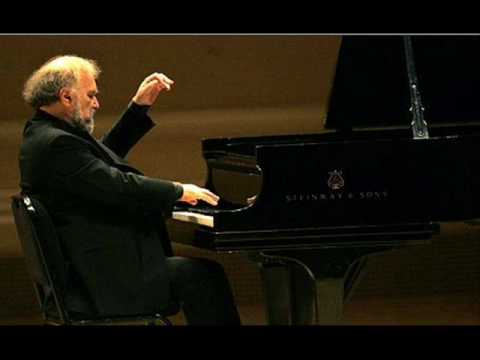
Johannes Brahms composed Six Pieces in his later years.
The second piece, Intermezzo, is marked to be played tenderly and with affection, and it exudes a benevolent, compassionate character.
Completed in 1893, it was dedicated to his close friend Clara Schumann.
The inner-voice melody is striking, and it is important to perform it at a singable tempo with heartfelt expression.
Brahms called this work a “monologue,” intending for performers and listeners to engage in a dialogue with their inner selves through the music.
With its long-breathed quality, like quiet respiration in solitude and silence, it possesses a timeless beauty suited both to contemplation before the performance and to the lingering afterglow that follows.
Brahms Masterpieces: Popular Classical Music (61–70)
7 Fantasies, Op. 116: No. 4, Intermezzo in E majorJohannes Brahms

Brahms’s masterpiece Seven Fantasies combines dreamy and passionate sides.
This time, I’ll introduce No.
4, Intermezzo, from Op.
116, which has a particularly dreamy character.
Marked Adagio with a nocturne-like atmosphere, the piece is overall relaxed, featuring a beautiful, appealing melody.
When performing, be careful: with multiple voices and a detailed sixteenth-note accompaniment in the left hand, the right-hand melody can easily get buried.
Practice finger independence, and for the fine-note accompaniment, try playing with the feeling of lightly tracing the keys.
It’s also a great piece for those looking to refine their expressive skills.
Seven Fantasies, Op. 116: No. 5, Intermezzo in E minorJohannes Brahms

Brahms composed the solo piano collection Seven Fantasies at the age of 59.
The fifth piece, with its gentle, swaying rhythmic feel, is a beautiful work suffused with an introspective atmosphere.
Its simple melody in 6/8 time is said to reflect Brahms’s late-life solitude and his meditations on death.
The performance direction, “gracefully and with the most inward feeling,” also makes clear that the piece calls for delicate, deeply personal expression.
Within its soft, dreamlike aura, elegance and melancholy intersect.
It’s a recommended piece for anyone wishing to experience Brahms’s profound emotions and rich musicality.
7 Fantasias, Op. 116: No. 6, Intermezzo in E majorJohannes Brahms

This work is known as the first short piece from his late period, and today it is cherished by many classical music enthusiasts as a culmination of Brahms’s artistry.
Its difficulty as a piano piece is approachable even for beginners, and you’ll occasionally hear it at children’s piano recitals.
Because it employs a structure close to counterpoint, it’s also a great choice for learning fundamental and essential piano techniques.
I highly recommend giving it a try.