

Classical masterpieces. Recommended classical music.


Classical music created by various musicians over a long history.
From pieces whose beautiful melodies bring peace of mind to those whose grandeur overwhelms you, the range is truly diverse.
With so much out there, many people may feel, “I want to listen, but I don’t know where to start.”
For you, we’ve picked out some recommendations to get you started—“Begin with these!”
Please take a moment to enjoy the world of classical music that continues to be loved across the ages.
- [Orchestra] Introducing famous and popular pieces
- Cool classical masterpieces. Recommended classical music.
- Classical Masterpieces: Recommended Works You Should Hear at Least Once
- Timelessly beautiful classical masterpieces. Recommended classical music.
- Mozart: An Introduction to His Signature and Popular Works
- Brahms's masterpieces. Popular classical music.
- Classical music by Japanese composers. Recommended classical music.
- Debussy’s masterpiece. Popular classical music.
- [Violin] A curated selection of beloved classic masterpieces and popular pieces that continue to be cherished across eras
- [Masterpiece Classics] A special showcase of gem-like masterpieces so beautiful they’ll move you to tears
- A poignant classic masterpiece. Recommended classical music.
- [François Couperin] Introducing famous and popular pieces by the composer who loved the harpsichord
- Classic masterpieces recommended for women
Classical masterpieces. Recommended classical music (61–70)
Spring from The Four SeasonsAntonio Vivaldi

A masterpiece whose graceful melodies and skillful depictions of nature let you experience a vivid sense of spring’s arrival as if it were unfolding before your eyes.
Composed by Baroque virtuoso Vivaldi and published in 1725, this piece vividly portrays spring scenes such as birdsong, murmuring brooks, and sudden thunder.
Frequently used in films, TV commercials, and weddings—festive occasions of all kinds—its familiar, approachable character is something almost everyone has heard at least once.
It’s also recommended as a companion for studying or reading, helping you sink into the rhythm of nature and boost your concentration.
The gentle melodies resonate pleasantly, creating an environment that makes even long study sessions feel less tiring.
Concerto for Percussion and OrchestraAndré Jolivet

A piece by Jolivet—dubbed the “Jekyll and Hyde of music” for his work spanning avant-garde to commercial music—in which his Varèse-like obsession with percussion explodes.
Incidentally, when he visited Japan, he reportedly got so hooked on pachinko and slot machines that he even composed a “Pachinko for Two Pianos” (a straightforward work of contemporary music).
Symphony No. 9 “From the New World,” Second MovementAntonín Dvořák

Known as “Ieji” or “The Day Sets Beyond the Distant Hills,” it has Japanese lyrics.
In some municipalities it is often played as music to signal evening, and in some stores it is used as the tune to announce closing time.
Sword DanceAram Khachaturian

The spotlight on the marimba and timpani runs from start to finish.
It seems like I’d wake up instantly if I used it as an alarm.
If you try humming along, the speed and intricate rhythms will tie your mouth in knots.
I imagine it’s incredibly demanding for the musicians who actually play the instruments.
No. 153 from Mikrokosmos: Six Dances in Bulgarian RhythmBartók Béla
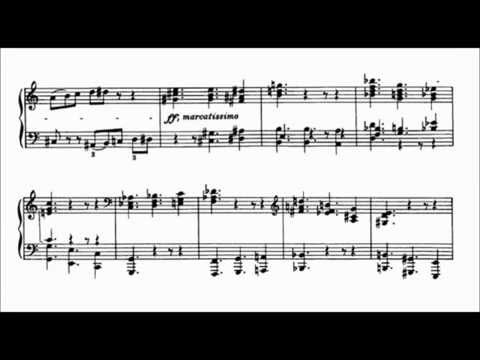
An upbeat and cool piece for solo piano, packing a 3+3+2 rhythmic structure and an unforgettable melody into just over a minute and a half—simple yet filled with a mysterious sense of exhilaration.
It’s the very last piece in the etude collection called “Mikrokosmos.”
Introduction and Rondo CapricciosoCamille Saint-Saëns

A piece written for Sarasate, who was a renowned violinist and a distinguished composer of his time.
Since Sarasate was from Spain, it overflows with passionate melodies and dance-like rhythms.
Above all, the violin unleashing soaring high notes is just so cool!
The Swan from The Carnival of the AnimalsCamille Saint-Saëns

One of the fourteen pieces in The Carnival of the Animals, a suite composed by Camille Saint-Saëns, a leading French composer.
Among the movements featuring animals like lions and elephants, The Swan shines like a jewel of the cello repertoire.
It appears at the very end, after the lively animals.
Over a piano accompaniment that evokes the surface of a lake, the cello portrays a swan gliding gracefully, scattering droplets as it swims.
Beloved for its beautiful melody, it is the most popular piece in the suite.
