

Classical masterpieces. Recommended classical music.


Classical music created by various musicians over a long history.
From pieces whose beautiful melodies bring peace of mind to those whose grandeur overwhelms you, the range is truly diverse.
With so much out there, many people may feel, “I want to listen, but I don’t know where to start.”
For you, we’ve picked out some recommendations to get you started—“Begin with these!”
Please take a moment to enjoy the world of classical music that continues to be loved across the ages.
- [Orchestra] Introducing famous and popular pieces
- Cool classical masterpieces. Recommended classical music.
- Classical Masterpieces: Recommended Works You Should Hear at Least Once
- Timelessly beautiful classical masterpieces. Recommended classical music.
- Mozart: An Introduction to His Signature and Popular Works
- Brahms's masterpieces. Popular classical music.
- Classical music by Japanese composers. Recommended classical music.
- Debussy’s masterpiece. Popular classical music.
- [Violin] A curated selection of beloved classic masterpieces and popular pieces that continue to be cherished across eras
- [Masterpiece Classics] A special showcase of gem-like masterpieces so beautiful they’ll move you to tears
- A poignant classic masterpiece. Recommended classical music.
- [François Couperin] Introducing famous and popular pieces by the composer who loved the harpsichord
- Classic masterpieces recommended for women
Classical masterpieces. Recommended classical music (1–10)
Scene from the ballet music Swan LakePyotr Tchaikovsky

This is ‘Scene’ from Swan Lake, the ballet music composed by Pyotr Tchaikovsky.
As a popular composer known for his melancholic melodies and lavish orchestration, Tchaikovsky seems to move listeners’ emotions directly.
Because it is frequently performed in classical concerts, it also puts conductors’ abilities to the test.
Along with The Sleeping Beauty and The Nutcracker, it is regarded as one of the three great ballets.
A Little Night MusicWolfgang Amadeus Mozart

In G major, K.
525, Eine kleine Nachtmusik is one of the serenades composed by Wolfgang Amadeus Mozart, an extremely famous piece that has been featured in films and on television.
It feels like a work in which the genius Mozart simply jotted down the notes that descended to him.
It’s easy for anyone to understand, yet it possesses a high level of musical sophistication.
You can sense a different kind of talent from that of Beethoven, who is also called a genius.
Etude No. 3 “Farewell”Frederic Chopin

You’ve probably heard the opening melody at least once.
Because this piece was used in the 1934 German film “Farewell to the Past,” which depicts Chopin’s life, it’s affectionately known in Japan as “Farewell to the Past.” Around the time this piece was written, Chopin had left his native Poland and moved his base to Paris.
Perhaps the music reflects both his longing for success in Paris and his nostalgia for the countryside.

Classical Masterpieces: Recommended Classical Music (11–20)
Nessun dorma from the opera TurandotGiacomo Puccini

Turandot is the final opera composed by Puccini.
To marry the beautiful yet cruel Princess Turandot, one had to solve three riddles; those who failed would be beheaded.
The story tells of Calaf, a prince of the Tartar nation, who falls in love with Turandot, solves the riddles brilliantly, and the two are ultimately united.
Nessun dorma (“None shall sleep”) is sung in Act III as Calaf, confident of his victory, raises his voice in triumph.
It has become emblematic of opera itself and is frequently heard on television and elsewhere.
Piano Sonata No. 14 “Moonlight”Ludwig van Beethoven
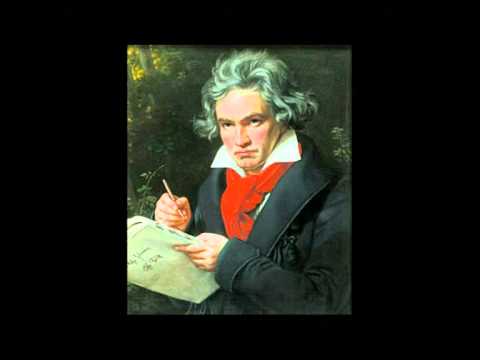
Among Beethoven’s piano sonatas, this work is widely beloved for its popular melody.
The nickname “Moonlight” comes from a comment by the poet Rellstab.
The first movement carries a solemnity that evokes the night, while the third movement, in contrast, is intensely dramatic, calling to mind storms and lightning.
It’s a piece that lets you enjoy Beethoven’s many facets.
Symphony No. 5 “Fate”Ludwig van Beethoven

When you mention Beethoven’s “Fate,” doesn’t everyone think of the famous opening “da-da-da-DUM”? It’s said that this title comes from Beethoven’s reported remark about the opening motif—“Thus fate knocks at the door”—as relayed by his pupil, Schindler.
This motif is also known as the “fate motif,” and it appears throughout the piece.
Try listening while searching for it.
Play of WaterMaurice Ravel

Maurice Ravel is one of the leading composers of Impressionist music, a style that emerged in early 20th-century France and placed emphasis on the expression of moods and atmosphere.
At the beginning of the score appears a line from Henri de Régnier’s poem Fêtes de l’eau: “The river god smiles, tickled by the water…,” and in this piece Ravel depicts the colors and sonorities of water as they shift with the play of light.
The steady motion of eighth notes and the principles of sonata form evoke the regulated rhythm and formal structure of a fountain that governs the water’s play, while harmonies that diverge from strict tonal progression brilliantly capture the protean colors and sounds of water.