

Classical masterpieces. Recommended classical music.


Classical music created by various musicians over a long history.
From pieces whose beautiful melodies bring peace of mind to those whose grandeur overwhelms you, the range is truly diverse.
With so much out there, many people may feel, “I want to listen, but I don’t know where to start.”
For you, we’ve picked out some recommendations to get you started—“Begin with these!”
Please take a moment to enjoy the world of classical music that continues to be loved across the ages.
- [Orchestra] Introducing famous and popular pieces
- Cool classical masterpieces. Recommended classical music.
- Classical Masterpieces: Recommended Works You Should Hear at Least Once
- Timelessly beautiful classical masterpieces. Recommended classical music.
- Mozart: An Introduction to His Signature and Popular Works
- Brahms's masterpieces. Popular classical music.
- Classical music by Japanese composers. Recommended classical music.
- Debussy’s masterpiece. Popular classical music.
- [Violin] A curated selection of beloved classic masterpieces and popular pieces that continue to be cherished across eras
- [Masterpiece Classics] A special showcase of gem-like masterpieces so beautiful they’ll move you to tears
- A poignant classic masterpiece. Recommended classical music.
- [François Couperin] Introducing famous and popular pieces by the composer who loved the harpsichord
- Classic masterpieces recommended for women
Classical Masterpieces: Recommended Classical Music (71–80)
Transcendental Étude No. 4 in D minor, “Mazeppa”Franz Liszt

It was used in the commercial for Casio’s digital piano, Privia.
The video includes sheet music, so I hope you’ll check it out.
I’m completely overwhelmed—both visually and aurally—by the densely packed notes and the torrent of sound.
The Art Song “Erlkönig”Franz Schubert

Among Schubert’s works, Erlkönig is a particularly unusual piece.
It even appears in music textbooks.
While Schubert wrote many gentle compositions, this one is terrifying in both its accompaniment and its lyrics—something that could haunt your dreams.
It’s also the song the protagonist of the anime “Haven’t You Heard? I’m Sakamoto” sang at karaoke.
Military MarchFranz Schubert

Composed by Schubert in 1818 for piano four hands, this piece might actually be better known in its orchestral version.
Written in ternary form, it’s notable for its bold main theme accompanied by a fanfare-like motif.
Among Schubert’s works, you could say this one is quite bright and upbeat.

Overture from the operetta ‘Light Cavalry’Franz von Suppé

Originally a piece performed in the two-act operetta Light Cavalry, but it seems the operetta itself is rarely staged.
Known for its striking fanfare and lively melody, the piece is also featured in textbooks.
Classical masterpieces. Recommended classical music (81–90)
Etude Op. 10, No. 12 “Revolutionary Etude”Frederic Chopin

One of Chopin’s etudes known as the “Revolutionary Etude.” This work was dedicated to his friend Franz Liszt, who gave it the title “Revolutionary.” Around 1831, when the piece was composed, the November Uprising—an armed rebellion against the rule of the Russian Empire—broke out in Poland and Lithuania.
Many Poles took part in the uprising, but the physically frail Chopin could not join, and it is said that he expressed his anger through this music.
It is a work that seems to convey the intense emotions Chopin kept in his heart.

Hallelujah from the oratorio MessiahGeorge Frideric Handel
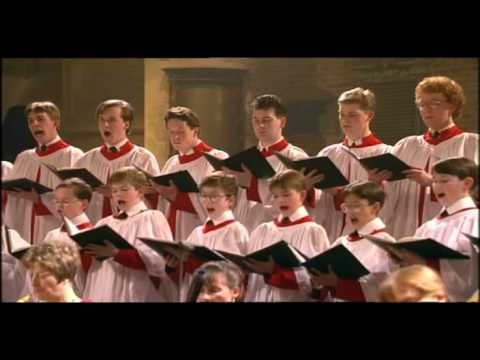
Some of you may have sung it in a school choir during junior high or high school.
This piece is one movement from the religious oratorio Messiah composed by Handel.
The title “Messiah” comes from the English reading of “Messiah,” meaning the Savior, and its lyrics are taken from the Bible.
The performance lasts about two and a half hours and consists of solos, ensembles, and choruses depicting the life of Jesus Christ, including the famous “Hallelujah.”
O mio babbino caro from the opera Gianni SchicchiGiacomo Puccini

Giacomo Puccini’s opera Gianni Schicchi tells the story of the wealthy Buoso’s relatives and Gianni Schicchi scheming over Buoso’s inheritance.
This aria is sung by Lauretta, Schicchi’s daughter.
Rinuccio, Buoso’s nephew, and Lauretta are in love, but Gianni Schicchi does not approve of their relationship.
In the song, Lauretta threatens and pleads with her father, saying she would even take her own life for love if he stands in her way.
It is a piece that conveys a woman’s strength and passion in her desire to fulfill her love.