

Cool classical masterpieces. Recommended classical music.


A showcase of awesome classical masterpieces, all in one place!
From super-cool staples to slightly lesser-known, stylish pieces, we’ve picked a wide range.
We’re featuring not only piano solo works from the classics to more recent pieces, but also orchestral masterpieces performed by large ensembles.
We’ve selected classical works that are thrilling to listen to and make performances look cool too—from film-score-like pieces and RPG battle-scene vibes to avant-garde sounds reminiscent of progressive rock!
Be sure to read to the end!
- [Orchestra] Introducing famous and popular pieces
- [Masterpiece Classics] A special showcase of gem-like masterpieces so beautiful they’ll move you to tears
- Timelessly beautiful classical masterpieces. Recommended classical music.
- [Violin] A curated selection of beloved classic masterpieces and popular pieces that continue to be cherished across eras
- Classical masterpieces. Recommended classical music.
- A poignant classic masterpiece. Recommended classical music.
- Classical Masterpieces: Recommended Works You Should Hear at Least Once
- [For Piano Recitals] Simple yet Cool Classical Pieces
- Today's Classics: Recommended classical music and great performances to listen to today
- Masterpieces of the bolero. Recommended popular pieces in bolero form and outstanding performances.
- Dvořák’s masterpiece. Popular classical music.
- Popular classical piano pieces. A collection of masterful performances by Japanese pianists.
- Disney classics to enjoy in a classical arrangement: recommended popular songs
Cool classical masterpieces. Recommended classical music (1–10)
Pines of the Appian Way from the symphonic poem The Pines of RomeOttorino Respighi

Ottorino Respighi, born in Italy, originally worked as a violist in an orchestra.
He later gained recognition as a composer when his symphonic poem The Fountains of Rome received high acclaim.
He went on to write The Roman Festivals and The Pines of Rome, works that together are known as the Roman Trilogy.
The piece here is one movement from the third of those works, The Pines of Rome.
It depicts the ancient Roman army marching along a military road at dawn shrouded in mist, so please listen while imagining that scene.

Symphony No. 3 in C minor, Op. 78, ‘with organ’ — Movement II, Part IICamille Saint-Saëns

The work completed in 1886 by French composer Charles-Camille Saint-Saëns is characterized by a powerful fusion of organ and orchestra.
Saint-Saëns displayed musical talent from an early age, giving his first public performance at the age of five.
While upholding the traditions of Romantic music, this piece pursues innovative expression through a novel instrumental arrangement.
The majestic resonance of the organ interwoven with the orchestra’s brilliant melodies leaves a profound impression on listeners.
It is a highly recommended piece for anyone wishing to fully savor the allure of classical music.
Symphonia Tapkaara, Movement III: VivaceIfukube Akira

This is a powerful orchestral work by Akira Ifukube, who left an important mark on the Japanese music scene.
Inspired by Ainu culture, it was composed in 1954 and premiered by the Indianapolis Symphony Orchestra in January 1955.
Characterized by pulsating rhythms and bold use of percussion, it evokes scenes of Ainu dances and festivals.
The vividly performed music by the entire orchestra has an intensity reminiscent of a film battle scene.
Recommended for those seeking a fresh breath in classical music or interested in the fusion of Japanese tradition and Western music.
Cool classical masterpieces. Recommended classical music (11–20)
Death of Tybalt from the ballet Romeo and JulietSergei Prokofiev

From among the masterful ballet scores by one of the defining composers of the 20th century, Sergei Prokofiev, we present a track brimming with tension.
Based on Shakespeare’s tragedy, this piece depicts a fierce duel scene.
With deft use of driving rhythms and dissonance, it portrays the clash between Tybalt and Mercutio and the tragic events that follow.
Showcasing Prokofiev’s innovative musical language to the fullest, this work is recommended not only for classical music enthusiasts but also for fans of film and video game music.
Since its premiere in Czechoslovakia in December 1938, this celebrated piece has continued to captivate listeners—please give it a listen.
L’Arlésienne Suite No. 2: FarandoleGeorges Bizet

A masterpiece by Georges Bizet, a composer representative of French Romanticism, this celebrated work reflects the nature and culture of southern France.
Based on folk dances from the Provence region, it features powerful rhythms and brilliant orchestration.
Quoting the folk song “The March of the Three Kings,” it builds toward a grand climax.
Arranged in 1879 by Bizet’s friend Ernest Guiraud, the piece has long been cherished as a cornerstone of French music.
It’s a recommended listen for those who want to enjoy energetic development and richly expressive emotion.
Pomp and Circumstance March No. 1Edward Elgar
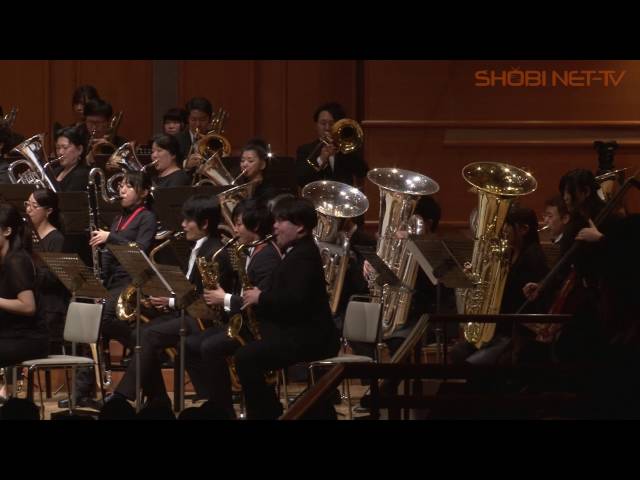
Here is the set of orchestral marches composed by the British composer Edward Elgar.
Marches No.
1 through No.
4 were written between 1901 and 1907, with only No.
5 composed later in 1930.
Many of you may have heard them at various marching events or school sports days.
Their lively character might even put a spring in your step.
The middle section of No.
1 has lyrics and is known as “Land of Hope and Glory,” a song that is second only to the national anthem in popularity in the United Kingdom.
Saxophone Concerto “Cyber-bird” Op. 59 (1994) I – Bird of ColorsYoshimatsu Takashi

Composed in 1994 by Takashi Yoshimatsu, one of Japan’s leading contemporary composers, this concerto is an innovative work inspired by the image of a bird flying through cyberspace.
Its captivating pairing of alto saxophone and orchestra expresses, across its three movements, vivid colors, profound sorrow, and the lightness of riding the wind.
The piece also reflects Yoshimatsu’s personal experiences—he continued composing at a hospital bedside during nights of round-the-clock care for his sister, who passed away after saying, “If I’m reborn, I want to be a bird.” Woven into the music are the transience of life and the subtleties of emotion.
It is highly recommended for those seeking fresh air in classical music, as well as fans of jazz and progressive rock.