

Cool classical masterpieces. Recommended classical music.


A showcase of awesome classical masterpieces, all in one place!
From super-cool staples to slightly lesser-known, stylish pieces, we’ve picked a wide range.
We’re featuring not only piano solo works from the classics to more recent pieces, but also orchestral masterpieces performed by large ensembles.
We’ve selected classical works that are thrilling to listen to and make performances look cool too—from film-score-like pieces and RPG battle-scene vibes to avant-garde sounds reminiscent of progressive rock!
Be sure to read to the end!
- [Orchestra] Introducing famous and popular pieces
- [Masterpiece Classics] A special showcase of gem-like masterpieces so beautiful they’ll move you to tears
- Timelessly beautiful classical masterpieces. Recommended classical music.
- [Violin] A curated selection of beloved classic masterpieces and popular pieces that continue to be cherished across eras
- Classical masterpieces. Recommended classical music.
- A poignant classic masterpiece. Recommended classical music.
- Classical Masterpieces: Recommended Works You Should Hear at Least Once
- [For Piano Recitals] Simple yet Cool Classical Pieces
- Today's Classics: Recommended classical music and great performances to listen to today
- Masterpieces of the bolero. Recommended popular pieces in bolero form and outstanding performances.
- Dvořák’s masterpiece. Popular classical music.
- Popular classical piano pieces. A collection of masterful performances by Japanese pianists.
- Disney classics to enjoy in a classical arrangement: recommended popular songs
Cool classical masterpieces. Recommended classical music (51–60)
Prelude Op. 23 No. 5 in G minorSergei Rachmaninov

Rachmaninoff, a Russian pianist and composer who represents the 20th century.
His works are characterized by simple yet beautiful and valiant melodies, leaving a powerful impression as if raw emotion is being expressed through music.
Among his 24 preludes, this piece is one of the most well-known.
From the outset, the bold yet freely played, march-like rhythm is striking, and the romantic melody heard in the middle section possesses a beauty uniquely Rachmaninoff’s.
It is a captivating piece brimming with the rich, folkloric sentiment of Russia!

Rakoczi March from the dramatic tale The Damnation of FaustHector Berlioz

The Rakoczi March is originally a Hungarian folk song with an unknown composer.
It became famous when Berlioz used it in his own work, The Damnation of Faust.
The Damnation of Faust is based on Faust by the German writer Goethe.
The piece is also used as a Hungarian military march.
Suite No. 2 for Two Pianos “Tarantella”Sergei Rachmaninov

It’s a cool yet passionate piece that combines strength and richness while constantly shimmering with Rachmaninoff’s signature sparkle.
You’ll be captivated from the very beginning.
After the failed premiere of his Symphony No.
1, Rachmaninoff fell into a slump and went through a period where he couldn’t compose.
This piece dates from the time when he was beginning to recover.
Prelude and Fugue from “The Spitfire”William Walton

The melody that appears shortly after the piece begins has an expansive quality that evokes “flight,” creating a pleasant sense of weightless floating.
The Spitfire was a British fighter aircraft used during World War II.
William Walton was one of the leading British composers of the 20th century and produced many approachable works.
Cool classical masterpieces. Recommended classical music (61–70)
‘Toreador Song’ from Carmen Suite No. 2Georges Bizet

Here is the piece used in Act 2 of the French-language opera Carmen, composed by Georges Bizet.
Because Carmen is an opera centered on a Gypsy woman, Carmen, many of its numbers are written with an awareness of Romani folk music.
This particular piece is the song of the toreador with whom Carmen falls in love.
Since it includes a melody that has been used in commercials as a parody song, it is likely one of those famous tunes known even to people who don’t usually listen to classical music.

Symphonic Scherzo “The Sorcerer’s Apprentice”Paul Dukas

Dukas was a French composer.
This piece was used in Disney’s 1940 animated film Fantasia.
You can almost picture the enchanted brooms fetching water over and over.
In this segment, the Sorcerer’s Apprentice was played by Mickey Mouse.
It’s a cinematic and very accessible classical work.
Etude Op. 8 No. 12Alexandre Scriabine
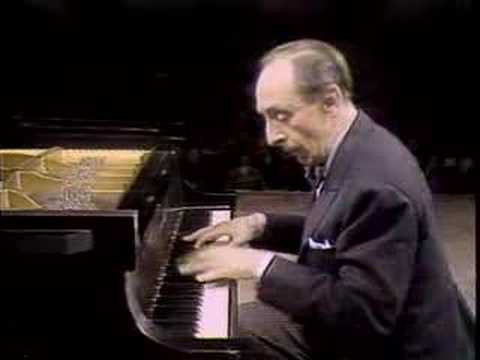
One of the pieces from a set of études that Scriabin began writing at the age of 22 and completed the following year.
Letters reveal that, in composing this set, Scriabin had Chopin’s études in mind and structured it so that the twelve pieces would form a cohesive whole.
This étude features frequent leaps and repeated chords, giving it a complex appearance.
It is said that Scriabin himself was particularly fond of performing this piece.