

Cool classical masterpieces. Recommended classical music.


A showcase of awesome classical masterpieces, all in one place!
From super-cool staples to slightly lesser-known, stylish pieces, we’ve picked a wide range.
We’re featuring not only piano solo works from the classics to more recent pieces, but also orchestral masterpieces performed by large ensembles.
We’ve selected classical works that are thrilling to listen to and make performances look cool too—from film-score-like pieces and RPG battle-scene vibes to avant-garde sounds reminiscent of progressive rock!
Be sure to read to the end!
- [Orchestra] Introducing famous and popular pieces
- [Masterpiece Classics] A special showcase of gem-like masterpieces so beautiful they’ll move you to tears
- Timelessly beautiful classical masterpieces. Recommended classical music.
- [Violin] A curated selection of beloved classic masterpieces and popular pieces that continue to be cherished across eras
- Classical masterpieces. Recommended classical music.
- A poignant classic masterpiece. Recommended classical music.
- Classical Masterpieces: Recommended Works You Should Hear at Least Once
- [For Piano Recitals] Simple yet Cool Classical Pieces
- Today's Classics: Recommended classical music and great performances to listen to today
- Masterpieces of the bolero. Recommended popular pieces in bolero form and outstanding performances.
- Dvořák’s masterpiece. Popular classical music.
- Popular classical piano pieces. A collection of masterful performances by Japanese pianists.
- Disney classics to enjoy in a classical arrangement: recommended popular songs
Cool classic masterpieces. Recommended classical music (21–30)
Waltz from the suite “Masquerade”Aram Khachaturian

Incidental music based on the play Masquerade by the great Russian writer Mikhail Lermontov.
After the premiere, Khachaturian himself arranged it into an orchestral suite of five pieces: Waltz, Nocturne, Mazurka, Romance, and Galop.
Masquerade is set in the aristocratic society of late Imperial Russia and tells the story of a marital scandal that unfolds after a visit to a masquerade ball.
This piece is the waltz that Nina, the protagonist’s wife, danced for the last time in her life.
It vividly conveys both the splendor and the mysterious, shadowy atmosphere of the masquerade.

“Vltava (The Moldau)” from the symphonic poem cycle “Má vlast (My Homeland)”Friedrich Smetana

It’s a piece so famous that it appears in middle and high school music textbooks.
“Má vlast” (My Homeland) is a collection of six symphonic poems that weave together the history and legends of the Czech lands in sound, and depict its beautiful nature through music.
One of these pieces, “The Moldau” (Vltava), portrays the river that flows through the Czech Republic, painting its beautiful scenery in music.
Serving as a route for cultural exchange and the transport of goods, the Vltava has nurtured Czech culture and brought prosperity.
The ever-changing character of this river—so symbolic of the Czech nation—is skillfully expressed through the instruments of the orchestra.
Piano Sonata No. 23 “Appassionata,” Third MovementLudwig van Beethoven

Among his many piano works, the Appassionata is considered one of the most impassioned.
Beethoven, who was teaching piano to Josephine, the sister of his friend Count Brunsvik, master of the palace, fell in love with her; however, they could not overcome the difference in social status between commoner and aristocrat, and the two were never united.
It is said that the Appassionata was written amid the anguish of this unfulfilled love.
Through boldly and rapidly shifting dynamics and the intense sonorities of chords that seem to break through the melody, one can sense the fierce emotions Beethoven kept hidden in his heart.
Introduction from the symphonic poem “Also sprach Zarathustra”Richard Strauss
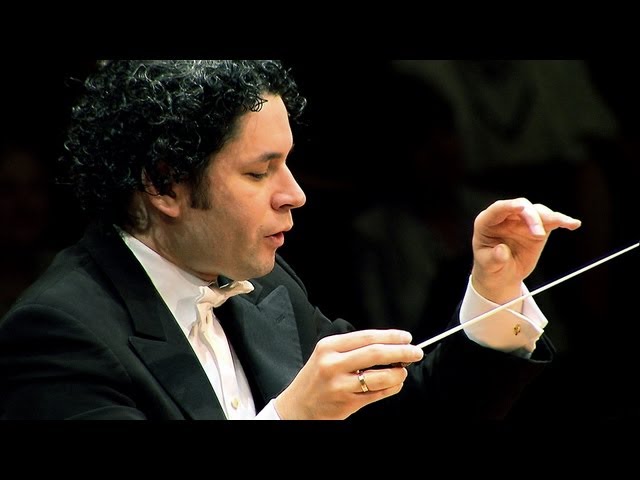
It’s a phrase you often hear on TV shows and commercials, isn’t it? This piece was written by Richard Strauss, perhaps the most famous among German composers around 1900.
He is well known for his tone poems and operas, and among his tone poems are works whose titles could be called “philosophical,” belonging to the realm of universal ideas and emotions.
This piece is a musical commentary on the famous prose poem by the philosopher and poet Nietzsche.
In the introduction, it depicts a scene in which, one morning, Zarathustra rises with the dawn, stands to greet the sun, and speaks words of gratitude to it.
Rapsodie espagnoleFranz Liszt

Liszt collected indigenous music such as folk songs and composed based on them.
This piece is structured through a contrast between slow and fast sections.
The first half is based on the folia, a slow-tempo dance that originated on the Iberian Peninsula.
Following the performance practice of the folia—variations built on a standardized bass line and harmonic progression in a minor key—it is written in variation form.
The second half, the jota, is a feverish dance originating in Spain’s Aragon region, characterized by leaps danced with castanets.
Imagining each dance as you listen will allow you to enjoy this work even more.
Symphony No. 5 “Fate”Ludwig van Beethoven

Beethoven’s “Fate,” whose opening “fate motif” is extraordinarily famous.
The title “Fate” was not given by Beethoven himself; it came to be called that because his pupil Schindler reported that Beethoven, speaking about the theme, said, “Thus fate knocks at the door.” The repeated development of the “fate motif” creates a strong sense of unity throughout the entire work.
Be sure to listen as well to the beautiful second movement, a set of variations, and the third movement, a scherzo that begins mysteriously in the lower register!
In a Persian marketAlbert Ketèlbey

This work, published in 1920 by British composer Albert Ketèlbey, who made a name for himself in the light music scene of the early 20th century, depicts the scenes of an exotic Persian market through the rich colors of the orchestra.
Interweaving elements such as the arrival of a caravan, beggars, a princess, acrobats, and a snake charmer, the music draws listeners into a foreign atmosphere.
Ketèlbey’s talent—he entered the Birmingham and Midland Institute School of Music at the age of eleven—is distilled into this six-minute journey.
Combining the grandeur of film music with an approachable charm, this piece is recommended for those interested in other cultures or anyone who wants to travel through music.