

Cool classical masterpieces. Recommended classical music.


A showcase of awesome classical masterpieces, all in one place!
From super-cool staples to slightly lesser-known, stylish pieces, we’ve picked a wide range.
We’re featuring not only piano solo works from the classics to more recent pieces, but also orchestral masterpieces performed by large ensembles.
We’ve selected classical works that are thrilling to listen to and make performances look cool too—from film-score-like pieces and RPG battle-scene vibes to avant-garde sounds reminiscent of progressive rock!
Be sure to read to the end!
- [Orchestra] Introducing famous and popular pieces
- [Masterpiece Classics] A special showcase of gem-like masterpieces so beautiful they’ll move you to tears
- Timelessly beautiful classical masterpieces. Recommended classical music.
- [Violin] A curated selection of beloved classic masterpieces and popular pieces that continue to be cherished across eras
- Classical masterpieces. Recommended classical music.
- A poignant classic masterpiece. Recommended classical music.
- Classical Masterpieces: Recommended Works You Should Hear at Least Once
- [For Piano Recitals] Simple yet Cool Classical Pieces
- Today's Classics: Recommended classical music and great performances to listen to today
- Masterpieces of the bolero. Recommended popular pieces in bolero form and outstanding performances.
- Dvořák’s masterpiece. Popular classical music.
- Popular classical piano pieces. A collection of masterful performances by Japanese pianists.
- Disney classics to enjoy in a classical arrangement: recommended popular songs
Cool classical masterpieces. Recommended classical music (41–50)
The Rite of SpringIgor Stravinsky

This piece, with its striking opening bassoon solo, was apparently sensational at the time due to its dissonance and exceedingly primitive rhythms, and at its premiere there was such chaos that heckling broke out from the audience during the performance.
There is also a wind band arrangement, and it is a piece frequently performed by wind ensembles.
Piano Concerto in A minorEdvard Grieg

A masterpiece that expresses Nordic nature and national character through music has been born.
Composed by Norway’s celebrated composer Edvard Grieg at the age of 25, this work strongly reflects the characteristics of Romantic music.
It consists of a first movement that begins with powerful chords, a second movement of poetic beauty, and a brilliant third movement influenced by folk songs, featuring melodies evocative of the rugged nature of the fjords.
Premiered in Copenhagen on April 3, 1868, it has remained beloved around the world ever since.
It is a highly recommended piece for those who wish to feel the grandeur of nature and the spirit of a people.
Moments Musicaux No. 4 in E minorSergei Rachmaninov

Rachmaninoff was a Russian composer.
Also a pianist, he composed Moments Musicaux in 1896, which includes pieces Nos.
1 through 6; this work is the fourth of the set.
It combines intensity with melancholy and demands formidable virtuosity.
Piano performance by Kyoko Kaise.
Symphony No. 8 in C minorDmitri Shostakovich

Dmitri Shostakovich, renowned for his symphonies and string quartets, was a composer active in the Soviet Union during the 20th century.
His Symphony No.
8 in C minor was composed during the war; he aimed to depict hope for the postwar period, but exposure to tragic reports and news also influenced the work, giving it a tragic character.
The piece shows the influence of Bach and late Beethoven, and rather than layering multiple instrumental timbres, it emphasizes primary-color orchestration.
The interwoven tones of the woodwinds and brass evoke a poignant atmosphere while remaining powerful and cool.
Although many of his works focus on themes of war and revolution from the socialist era, his music captivated people across a wide range of genres, including the Jazz Suites and the Symphony No.
9.
Be sure to give his works a listen!

Heroic PolonaiseFrederic Chopin

One of Chopin’s most iconic pieces representing the Romantic era, the “Heroic Polonaise,” is likely a work everyone has heard at least once.
From beginning to end, its magnificent development overwhelms the listener.
It’s a piece that every pianist dreams of playing at least once.
Although the “Heroic Polonaise” is very challenging and technically demanding, mastering it will surely make it a piece to be proud of.

Piano Concerto No. 2Sergei Rachmaninov
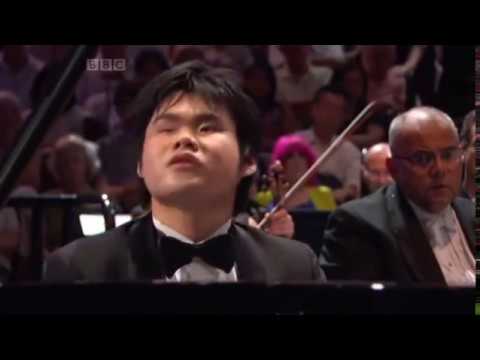
Rachmaninoff, one of Russia’s most renowned composers, wrote a total of four piano concertos, and this Second Concerto is the most popular, the work that brought him to worldwide prominence.
After the piano evokes the sound of bells inspired by the Russian Orthodox Church, the first movement is followed by a weighty orchestra that conjures the vast Russian landscape; the second movement is marked by a sweet, heartrending melody; and the third movement is brilliant and grand.
Across all three movements, the work conveys both the grandeur of Russia and Rachmaninoff’s deepest emotions.

Transcendental Étude “Mazeppa”Franz Liszt

Liszt, who himself became renowned as a pianist possessing exceptional technique and ability worthy of the title “virtuoso,” composed numerous works of transcendental difficulty.
The title “Mazeppa” refers to a real historical figure.
As a teenager, Liszt read and was deeply moved by Victor Hugo’s epic poem about Ivan Mazepa, who is celebrated as a Ukrainian hero.
This piece captivates with its luxurious, heroic music that boldly presses forward, perfectly fitting the word “hero,” interwoven at times with beautifully lyrical melodies.