

Cool classical masterpieces. Recommended classical music.


A showcase of awesome classical masterpieces, all in one place!
From super-cool staples to slightly lesser-known, stylish pieces, we’ve picked a wide range.
We’re featuring not only piano solo works from the classics to more recent pieces, but also orchestral masterpieces performed by large ensembles.
We’ve selected classical works that are thrilling to listen to and make performances look cool too—from film-score-like pieces and RPG battle-scene vibes to avant-garde sounds reminiscent of progressive rock!
Be sure to read to the end!
- [Orchestra] Introducing famous and popular pieces
- [Masterpiece Classics] A special showcase of gem-like masterpieces so beautiful they’ll move you to tears
- Timelessly beautiful classical masterpieces. Recommended classical music.
- [Violin] A curated selection of beloved classic masterpieces and popular pieces that continue to be cherished across eras
- Classical masterpieces. Recommended classical music.
- A poignant classic masterpiece. Recommended classical music.
- Classical Masterpieces: Recommended Works You Should Hear at Least Once
- [For Piano Recitals] Simple yet Cool Classical Pieces
- Today's Classics: Recommended classical music and great performances to listen to today
- Masterpieces of the bolero. Recommended popular pieces in bolero form and outstanding performances.
- Dvořák’s masterpiece. Popular classical music.
- Popular classical piano pieces. A collection of masterful performances by Japanese pianists.
- Disney classics to enjoy in a classical arrangement: recommended popular songs
Cool classical masterpieces. Recommended classical music (11–20)
Symphony No. 1 “Titan”Gustav Mahler

This piece is the first symphony composed by Gustav Mahler.
Its title, “Titan,” comes from his favorite reading, the novel by Jean Paul.
The novel portrays the protagonist’s growth through love and many life experiences.
Among Mahler’s symphonies, it has a relatively short duration and an accessible character, making it a work that is frequently performed.
A melody reminiscent of a cuckoo’s call appears repeatedly, giving the impression of being in a forest full of nature.

Rhapsody in BlueGeorge Gershwin

Highly acclaimed as “symphonic jazz,” a fusion of jazz and classical music, it catapulted Gershwin’s name to worldwide fame.
Legend has it that he suddenly conceived the idea for this rhapsody on a train bound for Boston, inspired by the rhythm of the rails; you can practically picture a steam locomotive about to depart, then gradually accelerating and surging forward.
From the orchestra’s sprightly, jazz-like rhythms and the kaleidoscope of timbres produced by various wind techniques to the near-improvisational piano cadenza, it’s a piece overflowing with points of interest!

Prelude from Eight Concert EtudesNikolai Kapustin
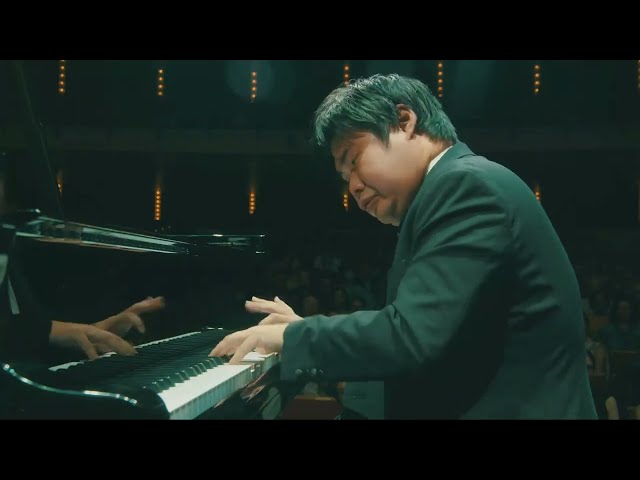
Nikolai Kapustin, who was active from the late 20th century to the early 21st century, is a composer known for his unique style that fuses classical music and jazz.
Born in 1937, Kapustin studied at the Moscow Conservatory and then began his career as a jazz pianist.
This work is characterized by a rhythmic style influenced by Latin music, featuring dazzling sixteenth-note passages that unfold between both hands on the piano.
Incorporating the improvisational spirit of jazz within the strict framework of classical music, this piece is recommended for those seeking energetic and dynamic music.
“Mambo” from the musical West Side StoryLeonard Bernstein
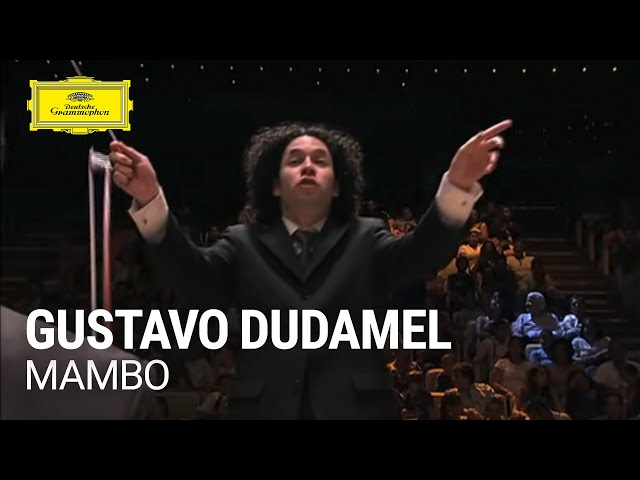
A masterpiece by Leonard Bernstein, one of the most representative American musicians of the 20th century.
Premiered in 1957, this piece from the musical West Side Story is famous as a dance number, and its captivating blend of Latin music and jazz, along with its skillful use of the tritone interval, expresses the work’s inner conflict and tension.
It symbolizes youthful energy and social confrontation, with a dynamic musicality that leaves a strong impression.
Recommended not only for classical music fans but also for those interested in musicals and film scores.
Symphony No. 5Pyotr Tchaikovsky

This symphony, composed in 1888 by the famous Russian composer Tchaikovsky, is said to be one of his three great late symphonies.
Created during his mature period, the piece is often described as having “fate” as its central theme, and the fourth movement in the video depicts a triumph over fate.
It’s a work with a commanding, dignified presence.
When you listen with some understanding of the composer and the era, classical music can reveal a different kind of appeal.
I also recommend exploring other pieces by the same composer if you liked this one, or listening to performances by the same musicians.
‘Sabre Dance’ from the ballet GayaneKhachaturian

This is a masterpiece created by Aram Khachaturian, one of the defining composers of the 20th century.
Featuring brilliant melodies infused with Armenian folk music and energetic rhythms, it captivates listeners.
The piece was born as part of the ballet Gayane, completed in 1942.
While reflecting the social context of its time, it achieves a timeless appeal.
In 1948, it became a jukebox hit in the United States.
Even those unfamiliar with classical music are sure to be drawn in by its powerful performance.
Cool classic masterpieces. Recommended classical music (21–30)
Atom Hearts Club Suite No. 1Yoshimatsu Takashi

Here is a work for string quartet composed in 1997.
Created by Takashi Yoshimatsu, it is an innovative piece in four movements inspired by progressive rock.
With a style that nods to The Beatles and Emerson, Lake & Palmer, the music is energetic and richly varied; in 2000 it was arranged for string orchestra, attaining an even more monumental sonority.
Fusing classical tradition with the dynamism of rock, this piece is recommended for those seeking music that transcends genre boundaries.
If you’re looking for a fresh musical experience, be sure to give it a listen.