

Cool classical masterpieces. Recommended classical music.


A showcase of awesome classical masterpieces, all in one place!
From super-cool staples to slightly lesser-known, stylish pieces, we’ve picked a wide range.
We’re featuring not only piano solo works from the classics to more recent pieces, but also orchestral masterpieces performed by large ensembles.
We’ve selected classical works that are thrilling to listen to and make performances look cool too—from film-score-like pieces and RPG battle-scene vibes to avant-garde sounds reminiscent of progressive rock!
Be sure to read to the end!
- [Orchestra] Introducing famous and popular pieces
- [Masterpiece Classics] A special showcase of gem-like masterpieces so beautiful they’ll move you to tears
- Timelessly beautiful classical masterpieces. Recommended classical music.
- [Violin] A curated selection of beloved classic masterpieces and popular pieces that continue to be cherished across eras
- Classical masterpieces. Recommended classical music.
- A poignant classic masterpiece. Recommended classical music.
- Classical Masterpieces: Recommended Works You Should Hear at Least Once
- [For Piano Recitals] Simple yet Cool Classical Pieces
- Today's Classics: Recommended classical music and great performances to listen to today
- Masterpieces of the bolero. Recommended popular pieces in bolero form and outstanding performances.
- Dvořák’s masterpiece. Popular classical music.
- Popular classical piano pieces. A collection of masterful performances by Japanese pianists.
- Disney classics to enjoy in a classical arrangement: recommended popular songs
Cool classical masterpieces. Recommended classical music (31–40)
“Jupiter” from the suite “The Planets”Gustav Holst

The suite The Planets is a representative orchestral work composed by the British composer Gustav Holst.
The suite consists of seven movements, each named after a planet based on Western astrology.
The mysterious and majestic melody of “Jupiter” is loved by many people around the world, and numerous musicians and artists have added various lyrics and arrangements to it.
In the United Kingdom, it is also sung as a patriotic song and hymn.

Symphony No. 4 “The Immortal”Carl Nielsen

Subtitled “The Inextinguishable,” this is one of Nielsen’s most popular symphonies.
It is cast as a single-movement symphony.
The spotlight is on the duel between two sets of timpani, whose performance in Part IV is especially thrilling.
Overall, it is a dramatic and beautiful work.
Overture from the opera ‘Ruslan and Lyudmila’Mikhail Glinka

The Overture to Ruslan and Lyudmila, which evokes the opening of a grand tale, is the perfect piece for waking up in the morning or when you want to dash off with energy.
Its composer, Mikhail Glinka, was from Russia and excelled at orchestral works, known for his charmingly light and lively style.
Ruslan and Lyudmila is an opera in five acts, and its story—depicting how Princess Lyudmila and the knight Ruslan are united—is compelling in its own right.
It’s a piece I’d especially recommend to fans of modern video game music or to anyone who wants to exercise in a bright, upbeat mood!

Dies Irae, the 3rd movement from “Requiem”Wolfgang Amadeus Mozart
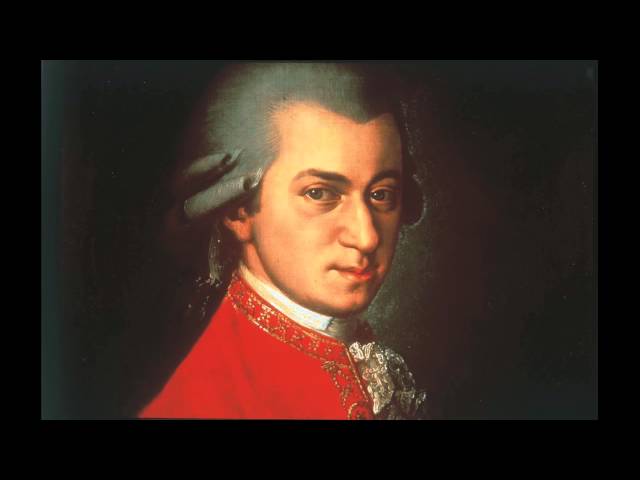
Mozart’s famous piece “Dies irae.” The “Day of Wrath” is a concept tied to eschatology, and beyond Mozart’s work, Giuseppe Verdi also created a setting of it.
This piece has many highlights, notably the powerful chorus that evokes a sense of despair.
Amid the interweaving of strings and intense percussion, the mixed male and female voices shape a masterful structure that conveys the end of days.
Listening to it in its entirety will let you feel the work’s impact even more strongly.

Symphony No. 4 in E-flat major “Romantic,” First MovementAnton Bruckner

Bruckner, an Austrian composer and organist active in the 19th century, constantly revised his symphonies, so most of them exist in two or more versions of his own making.
The first movement of this work, titled “Romantic,” is suffused with emotion, its horns sounding beautifully as if heralding the dawn from a dim forest.
Be sure to listen as well to the second movement, in which birdlike figures recur repeatedly, and the third movement—also famous as the “Hunting Scherzo.”
Cool classical masterpieces. Recommended classical music (41–50)
Symphony No. 2, Movement IIISergei Rachmaninov

A symphony composed by the Russian composer Sergei Rachmaninoff between 1906 and 1907.
This third movement is the most widely known of the four movements, a beautifully lyrical slow movement that is quintessentially Rachmaninoff.
Its flowing, Slavic-tinged melody sings as if imbued with a fleeting sense of longing.
Please enjoy the smooth, sensuous world of Rachmaninoff.
Finale from the ballet suite The FirebirdIgor Stravinsky

The Firebird by Igor Stravinsky is a one-act, two-scene ballet based on Russian folk tales.
Its premiere took place in 1910 at the Paris Opéra.
It is said that Osamu Tezuka, after seeing the ballet The Firebird, was inspired to later create his famous work Phoenix.