

Cool classical masterpieces. Recommended classical music.


A showcase of awesome classical masterpieces, all in one place!
From super-cool staples to slightly lesser-known, stylish pieces, we’ve picked a wide range.
We’re featuring not only piano solo works from the classics to more recent pieces, but also orchestral masterpieces performed by large ensembles.
We’ve selected classical works that are thrilling to listen to and make performances look cool too—from film-score-like pieces and RPG battle-scene vibes to avant-garde sounds reminiscent of progressive rock!
Be sure to read to the end!
- [Orchestra] Introducing famous and popular pieces
- [Masterpiece Classics] A special showcase of gem-like masterpieces so beautiful they’ll move you to tears
- Timelessly beautiful classical masterpieces. Recommended classical music.
- [Violin] A curated selection of beloved classic masterpieces and popular pieces that continue to be cherished across eras
- Classical masterpieces. Recommended classical music.
- A poignant classic masterpiece. Recommended classical music.
- Classical Masterpieces: Recommended Works You Should Hear at Least Once
- [For Piano Recitals] Simple yet Cool Classical Pieces
- Today's Classics: Recommended classical music and great performances to listen to today
- Masterpieces of the bolero. Recommended popular pieces in bolero form and outstanding performances.
- Dvořák’s masterpiece. Popular classical music.
- Popular classical piano pieces. A collection of masterful performances by Japanese pianists.
- Disney classics to enjoy in a classical arrangement: recommended popular songs
Cool classic masterpieces. Recommended classical music (21–30)
Piano Concerto in F majorGeorge Gershwin
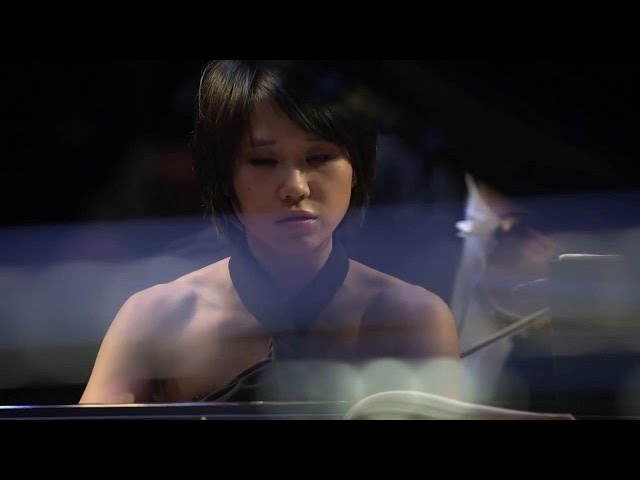
Gershwin, the greatest American composer of the 20th century, fused jazz and classical music to create dazzling American music in works such as Rhapsody in Blue.
This piece, while based on traditional concerto writing, incorporates a distinctly Gershwin-like, jazz-inflected style.
It consists of three movements: a first movement that reflects the influence of the Charleston, a popular dance music of the time; a second movement structured in a blues style; and a third movement that serves as a pulsating, energetic finale.

Piano Concerto No. 1 in B-flat minor, First MovementPyotr Tchaikovsky

Tchaikovsky, a composer who represents Russia in the 20th century.
This piece is composed in a free form that does not adhere to the traditional concerto structure throughout.
It opens majestically, with the piano striking heavy, bell-like chords.
The playful, rhythmic melody that follows is said to be taken from a folk song heard in Ukraine.
Partway through, the mood shifts dramatically to an emotional melody, after which the piano and orchestra press forward with powerful energy in dialogue.
Be sure to listen for the grand cadenza, rich in delicate expression!
Cool classical masterpieces. Recommended classical music (31–40)
Piano Sonata No. 17 “Tempest”Ludwig van Beethoven
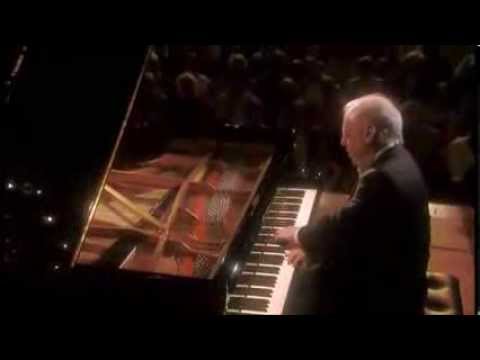
Although it is known by the nickname “Tempest,” this moniker is said to have originated when Beethoven, asked by his pupil Schindler how to interpret the piece, replied, “Read Shakespeare’s The Tempest.” The first movement is marked by bold musical ideas—sudden shifts in tempo and dynamics and recitative-like declamation—that make it feel almost like listening to a reading.
The second movement is an Adagio that is lyrical and serene.
The third movement, said to have been inspired by the sound of horses’ hooves, races throughout on persistent sixteenth notes that carry a restrained inner passion.
Weighty yet dramatic, with beautiful melodies, it is a captivating work.
Finlandia, Op. 26Jean Sibelius

It is a symphonic poem composed by the Finnish composer Jean Sibelius, and perhaps the best-known among his symphonic poems.
Written in 1899, when Finland was suffering under the oppression of Imperial Russia, it was reportedly banned from performance by the Russian authorities for stoking Finnish patriotism.
Its stately, powerful character surely gave courage to many Finns.
With chorus as well, it is a masterpiece that feels ready to boil over with passionate emotion.

‘Polovtsian Dances’ from the opera Prince IgorAlexander Porfiryevich Borodin

It is one of the most famous and popular pieces by the Russian composer Alexander Borodin.
It is heard in Act II of the opera Prince Igor, in the Polovtsian camp, during a lavish display of songs and dances presented as entertainment to lift Prince Igor’s spirits.
The piece is also often performed on its own, independently of the opera, in orchestral concerts.
Hungarian Dance No. 5Johannes Brahms

This is a collection of dances that Johannes Brahms arranged based on Gypsy music he came to admire while touring Germany.
Wanting to honor the folk music of the Gypsies, Brahms transcribed and compiled these pieces rather than composing them himself, so many listeners may feel they have a slightly different character from his usual works.
Among them, No.
5 is especially famous.
It has appeared many times in commercials, so even those who aren’t classical music fans have likely heard it.
Symphonic Suite “Scheherazade”Nikolai Rimsky-Korsakov

The title of the piece, Scheherazade, is the name of the heroine who appears in The Arabian Nights, a seminal work of Arabic narrative literature.
Literally, it is Scheherazade’s tale that serves as the prologue to the stories told over the course of One Thousand and One Nights.
While this piece does not follow the exact storyline of the tales she tells, it vividly evokes for listeners the image of “a most wondrous story.”