

Donpan-bushi: An Akita folk song passed down and sung by various artists

The Donpan-bushi, where Akita’s traditions live on.
This folk song is characterized by its robust, community-rooted rhythm and distinctive melodic turns, and it’s so captivating that you can’t help but start moving when you hear it.
Its friendly lyrics and snappy beat have crossed prefectural borders, and it’s now loved throughout Japan.
In this article, we introduce performances of Donpan-bushi by a variety of artists.
Enjoy the collaboration between this simple folk song, nurtured by Akita’s climate and culture, and a wide range of musical interpretations.
- [Akita Songs] A Collection of Gem-Like Local Tunes Filled with Love for Hometowns
- Akita Ondo: The Heart of Japan Passed Down in Song
- A perfect song for Labor Thanksgiving Day. A song that conveys gratitude and encouragement.
- [Folk Songs and Children's Songs of Akita] A curated selection of local masterpieces that evoke love for one’s hometown
- Soran Bushi: Compare renditions of this classic folk song by various artists!
- Beautiful Folk Songs Passed Down in Miyagi Prefecture: A Collection of Masterpieces that Play the Heart of the Hometown
- [Folk Songs of Yamagata] The Heart of Our Hometown Passed Down in Song: Feelings Woven into Nostalgic Melodies
- Nambu Tawarazumi-uta: A folk song rooted in Tohoku. Carefully selected videos by renowned singers and musicians!
- [Songs of Aomori] A collection of local songs depicting the grandeur of nature and the warmth of its people.
- Japanese ondō: a seasonal tradition everyone can enjoy.
- A classic enka song with a festival theme. A lively and bustling tune.
- Folk Songs, Children's Songs, and Nursery Rhymes of Aomori: Japanese Songs from Tsugaru and Hachinohe that Resonate with the Heart
- Folk songs, children's songs, and nursery rhymes of Iwate: the heart of the hometown passed down through song
Donpan-bushi: An Akita folk song passed down and sung by various artists (1–10)
Donpan-bushiAsano Sho × Sato Koki

Folk music, nurtured by the land of Akita and cherished for its powerful rhythms and approachable, danceable charm, is vividly brought back to life by Sho Asano and Koki Sato.
The driving beat forged by the pulsing Tsugaru shamisen is layered with a shakuháchi melody rich in lyricism, while the drum’s grounding pulse and the dance fuse into an experience that feels as if you’re at the heart of a circle dance.
First released in an April 2021 streaming performance, this rendition can be seen as a video work that modernly reimagines a classic—also known as the theme song for the Akita National Sports Festival—through the agile attack of traditional Japanese instruments and the ornamented phrasings of folk song.
Donpan-bushiKanazawa Akiko

Akiko Kanazawa delivers a powerful rendition of a folk song that embodies the traditions of southern Akita Prefecture.
With a crisp rhythm evocative of drums and handclaps, and the lively chant of “Don-don pan-pan” inviting everyone into the Bon dance circle, this piece truly shines thanks to Kanazawa’s vocal qualities—combining sophisticated folk-style ornamentation with diaphragmatic long tones.
Included on the June 2015 album “Golden☆Best Akiko Kanazawa: Folk Songs and Enka,” it was positioned as the gateway to the Tohoku section.
It’s a perfect performance for those who want to recall their hometown festivals or are looking for a Bon dance classic.
Donpan-bushiMARU-YA

Donpan-bushi, a folk song from Akita Prefecture that gained nationwide recognition after being featured as a thematic piece at the 1961 Akita National Sports Festival.
In this performance by Yukino Yamamoto, who handles shamisen and vocals at MARU-YA, and Tomoya Nakai on the 25-string koto, the simple calls-and-responses and strong beats familiar from Bon Odori are preserved, while the rich low register and sustained harmonies of the 25-string koto intertwine with the rhythmic strumming of the thin-neck shamisen and the ornamented, melismatic vocal lines.
It’s a piece that brings the dynamism of circle dancing straight into the audience, inviting everyone to join in with handclaps.
[Donpan-bushi] Akita folk song passed down and sung by various artists (11–20)
Donpan-bushitearai sanshimai

Sung by the Tearai Sisters, this folk song from Daisen City in Akita Prefecture is distinguished by its lively rhythm and the signature chant of “Don-don, pan-pan.” Hand dance and vocals set against historic architecture blend seamlessly, impressively translating the communal exhilaration of traditional circle dancing into a modern viewing experience.
Released in September 2021 by the Hokkaido-based music project Ezo’n music, the piece was produced as a collaborative video connecting regional culture with tourism resources.
It’s a perfect performance for those who want to get acquainted with folk songs or enjoy Japan’s diverse traditional cultures through video.
Donpan-bushiImajin Bon Odori-bu
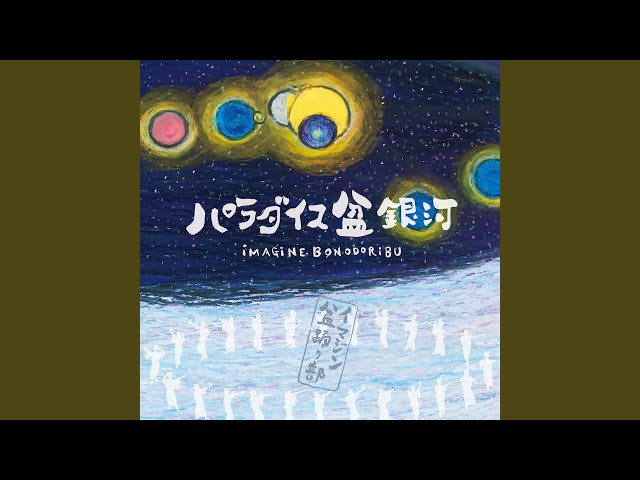
This is a piece in which the Imagine Bon Odori Club has reconstructed a traditional folk song from Akita Prefecture as a modern Bon dance.
Released in June 2020 as the opening track of the album “Paradise Bon Galaxy,” it harnesses traditional call-and-response and the basic beat, while the powerful bass and percussion of a live band create a compelling groove.
It offers a charm distinct from the old-fashioned folk-song vibe and could serve as a gateway for listeners new to minyo.
Experience the sound where traditional melodic phrasing and contemporary rhythms fuse together.
Chaotic Donpan-bushiTomokawa Kazuki

This is a song in which Kazuki Tomokawa reconstructs the beloved Akita folk tune “Donpan-bushi” from his own unique perspective.
Included on the album “The Days When I Held a Thousand Cranes in My Mouth,” released in August 1978, the piece brilliantly fuses the fervor of a festival with an avant-garde tension.
While preserving the Akita dialect as is, it sonically renders the bodily sway of intoxicated revelers and the atmosphere of communal gatherings, layering urban loneliness over indigenous rhythms in a striking expression.
It may feel shocking at first, but it’s a must-listen for anyone who wants to enjoy folk music from a fresh angle.
Donpan-bushiKoyama Mitsugu

Donpan-bushi is a folk song originating in Akita, beloved also as a Bon Odori dance tune.
In this video, you can savor the charm of this simple folk song—cherished for generations in Akita—through a performance by Tsugaru shamisen player Mitsugu Koyama.
Folk songs are often passed down by various artists, sometimes with new interpretations added along the way.
Even so, many people find comfort in traditional, old-style performances.
This video offers a classic, straight-ahead rendition—one you’ll enjoy, and then find yourself wanting to return to again.