

Donpan-bushi: An Akita folk song passed down and sung by various artists

The Donpan-bushi, where Akita’s traditions live on.
This folk song is characterized by its robust, community-rooted rhythm and distinctive melodic turns, and it’s so captivating that you can’t help but start moving when you hear it.
Its friendly lyrics and snappy beat have crossed prefectural borders, and it’s now loved throughout Japan.
In this article, we introduce performances of Donpan-bushi by a variety of artists.
Enjoy the collaboration between this simple folk song, nurtured by Akita’s climate and culture, and a wide range of musical interpretations.
- [Akita Songs] A Collection of Gem-Like Local Tunes Filled with Love for Hometowns
- Akita Ondo: The Heart of Japan Passed Down in Song
- A perfect song for Labor Thanksgiving Day. A song that conveys gratitude and encouragement.
- [Folk Songs and Children's Songs of Akita] A curated selection of local masterpieces that evoke love for one’s hometown
- Soran Bushi: Compare renditions of this classic folk song by various artists!
- Beautiful Folk Songs Passed Down in Miyagi Prefecture: A Collection of Masterpieces that Play the Heart of the Hometown
- [Folk Songs of Yamagata] The Heart of Our Hometown Passed Down in Song: Feelings Woven into Nostalgic Melodies
- Nambu Tawarazumi-uta: A folk song rooted in Tohoku. Carefully selected videos by renowned singers and musicians!
- [Songs of Aomori] A collection of local songs depicting the grandeur of nature and the warmth of its people.
- Japanese ondō: a seasonal tradition everyone can enjoy.
- A classic enka song with a festival theme. A lively and bustling tune.
- Folk Songs, Children's Songs, and Nursery Rhymes of Aomori: Japanese Songs from Tsugaru and Hachinohe that Resonate with the Heart
- Folk songs, children's songs, and nursery rhymes of Iwate: the heart of the hometown passed down through song
[Donpan-bushi] Akita folk song passed down and sung by various artists (11–20)
Donpan-bushiYuki Hiromi

Hiromi Yuki delivers a rendition of the Akita folk song named after its lively chant, “Donpan.” Recorded as a single by Crown in April 1978, it featured “Okosa-bushi,” another song from Akita, on the B-side.
Yuki’s vocal style restrains enka-like ornamentation in favor of a narrative delivery, while the call-and-response and drum rhythms are kept simple to maintain the mobility of the Bon Odori.
Combined with its unadorned, rhythmic beat, the track brims with a charm that naturally sets the body in motion as you dance.
Donpan-bushiFukuda Kouhei

“Donpan-bushi” performed by Kohei Fukuda, who is admired by many fans both as a folk singer and as an enka vocalist.
His distinctive voice, which carries a grounded sense of conviction, permeates the heart.
The unforced, gentle singing style that is so characteristic of Fukuda is also captivating!
Donpan-bushiHirano Shigematsu

A performance by Shigematsu Hiramatsu, said to have been recorded in the late 1950s to early 1960s.
You can feel the atmosphere of a traditional, orthodox Donpan-bushi.
The Akita accent, the warmth of the people of Akita, and their local pride—all come through.
Its charm lies in a simple, nostalgic singing voice that seems to proudly convey the allure of Akita.
Love Donpan BushiMizuki Kei
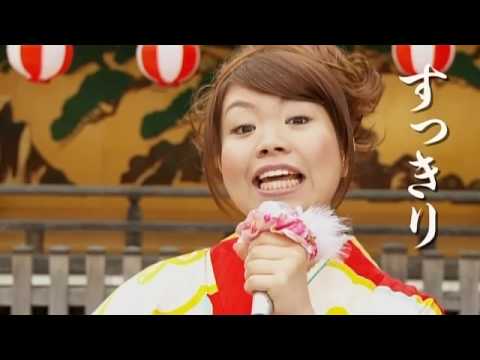
This is a fun enka song arranged from “Donpan-bushi.” It cheerfully, energetically, and even humorously sings about the feelings of a maiden in love.
If you’re someone who’s in love right now, you might find yourself encouraged by its burst of spirited energy, like fireworks suddenly lighting up the sky.
lockdown breadakita-ken daisenshi

In the Nakasen area of Daisen City, Akita Prefecture—considered the birthplace of the Donpan-bushi—the Donpan Festival is held every summer.
Alongside traditional performing arts and fireworks, the Rock Donpan Dance amps up the excitement.
As soon as the upbeat music starts, your body naturally begins to move—an arrangement that lets you feel the Donpan-bushi’s friendly, approachable charm even more.
Donpan-bushiSuzuki Masao

Masao Suzuki is a folk singer from Miyagi Prefecture.
He performs “Donpan-bushi,” a song that has become beloved nationwide as an ozashiki-uta (parlor song), with a light, nimble melodic style.
This piece is often danced in a circle, much like a Bon Odori.
You can really feel the cheerful atmosphere through his singing!
Donpan-bushi: An Akita folk song passed down and sung by various artists (21–30)
Folklore Donpan-bushiarumando yamahira

It seems he is the director of Folklore Vientos.
He collaborates with performers from various genres and expresses the world of Akita folk songs through new interpretations.
This Donpan-bushi also conveys a freshness and beauty that feels like listening to South American folk music.