

Donpan-bushi: An Akita folk song passed down and sung by various artists

The Donpan-bushi, where Akita’s traditions live on.
This folk song is characterized by its robust, community-rooted rhythm and distinctive melodic turns, and it’s so captivating that you can’t help but start moving when you hear it.
Its friendly lyrics and snappy beat have crossed prefectural borders, and it’s now loved throughout Japan.
In this article, we introduce performances of Donpan-bushi by a variety of artists.
Enjoy the collaboration between this simple folk song, nurtured by Akita’s climate and culture, and a wide range of musical interpretations.
- [Akita Songs] A Collection of Gem-Like Local Tunes Filled with Love for Hometowns
- Akita Ondo: The Heart of Japan Passed Down in Song
- A perfect song for Labor Thanksgiving Day. A song that conveys gratitude and encouragement.
- [Folk Songs and Children's Songs of Akita] A curated selection of local masterpieces that evoke love for one’s hometown
- Soran Bushi: Compare renditions of this classic folk song by various artists!
- Beautiful Folk Songs Passed Down in Miyagi Prefecture: A Collection of Masterpieces that Play the Heart of the Hometown
- [Folk Songs of Yamagata] The Heart of Our Hometown Passed Down in Song: Feelings Woven into Nostalgic Melodies
- Nambu Tawarazumi-uta: A folk song rooted in Tohoku. Carefully selected videos by renowned singers and musicians!
- [Songs of Aomori] A collection of local songs depicting the grandeur of nature and the warmth of its people.
- Japanese ondō: a seasonal tradition everyone can enjoy.
- A classic enka song with a festival theme. A lively and bustling tune.
- Folk Songs, Children's Songs, and Nursery Rhymes of Aomori: Japanese Songs from Tsugaru and Hachinohe that Resonate with the Heart
- Folk songs, children's songs, and nursery rhymes of Iwate: the heart of the hometown passed down through song
Donpan-bushi: An Akita folk song passed down and sung by various artists (21–30)
Enmanzao Jinku DanceNakasen Donpan Odori Fukyū Hozonkai

It is said that the original Jinku was created by the master craftsman Emazō, known as the Hidari Jingorō of Tōhoku, and this is what is called the orthodox Donpan-bushi.
They say the rhythm of a wood-carving chisel was the hint.
A dance was born from it, many parody verses followed, and it has been cherished for a very long time.
DON PANShishido Hideaki

Composed in the wake of the first mandolin festival held in Akita in 2007, this piece is based on the Donpan-bushi and incorporates Akita folk songs.
The soothing mandolin performance and the arrangement that blends Donpan-bushi with Akita folk music evoke a sense of beauty not only of Tohoku but of Japan as a whole.
[Donpan-bushi] An Akita folk song passed down and sung by various artists (31–40)
Chamber Music: Akita PlainGotō Mika
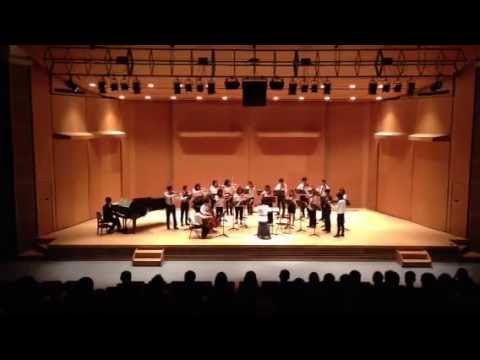
This is a concert at Akita International University.
The piece is based on the motif of the Donpan-bushi.
Its lighthearted Donpan elements are beautifully woven in without disturbing the tranquil atmosphere of the plains, making it utterly captivating.
The violin’s tone is exquisite, evoking the lush green of the Akita Plain.
Donpan-bushiNihon Minyō Dōkōkai

It seems there are Japanese folk song clubs all over Japan, each actively and enthusiastically engaged in their activities.
They are indispensable at festivals and for visits to facilities.
You can listen with ease, and there’s an atmosphere that invites everyone to sing and dance together.
They convey the charm and nostalgia of folk songs.
Donpan-bushiUmenowa Umekiyo

He was a master of the Akita shamisen.
Through his shamisen playing and singing, he captivated many people and made significant contributions to promoting Akita folk songs.
He also trained many successors and was known as a person of great character.
Indeed, his personality seems to be reflected in his clear, beautiful tone, which resonates pleasantly in the ear.
Donpan-bushimin’yō bando Komachi
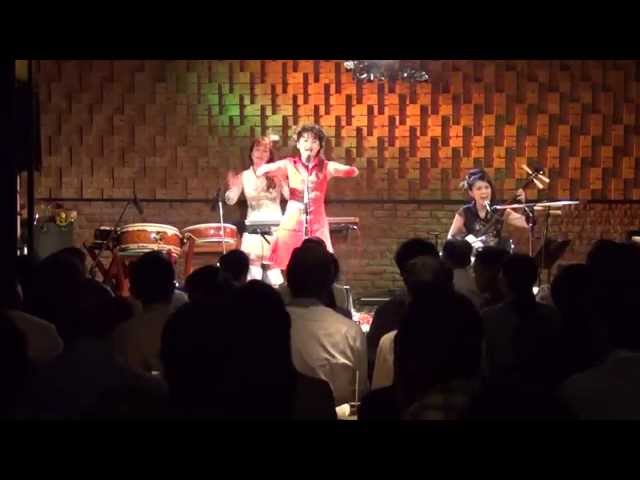
This is a three-woman folk music band consisting of a vocalist, a shamisen player, and a wadaiko/synthesizer player.
True to their motto of making folk songs “fun, splendid, and powerful,” they perform the Donpan Bushi in a way that draws the audience in and keeps things lively.
The sense of unity makes you feel like you enjoyed the folk music together with them.
Donpan Beat Part 1Akita min’yō

It’s an exhilarating Donpan that makes the stage feel small.
It’s almost like watching a dance show.
The continuous flurry of drumbeats is powerful, too.
This kind of exhilaration, just like in traditional Bon Odori, still energizes people.
Donpan truly serves as a source of vitality.