

Donpan-bushi: An Akita folk song passed down and sung by various artists

The Donpan-bushi, where Akita’s traditions live on.
This folk song is characterized by its robust, community-rooted rhythm and distinctive melodic turns, and it’s so captivating that you can’t help but start moving when you hear it.
Its friendly lyrics and snappy beat have crossed prefectural borders, and it’s now loved throughout Japan.
In this article, we introduce performances of Donpan-bushi by a variety of artists.
Enjoy the collaboration between this simple folk song, nurtured by Akita’s climate and culture, and a wide range of musical interpretations.
- [Akita Songs] A Collection of Gem-Like Local Tunes Filled with Love for Hometowns
- Akita Ondo: The Heart of Japan Passed Down in Song
- A perfect song for Labor Thanksgiving Day. A song that conveys gratitude and encouragement.
- [Folk Songs and Children's Songs of Akita] A curated selection of local masterpieces that evoke love for one’s hometown
- Soran Bushi: Compare renditions of this classic folk song by various artists!
- Beautiful Folk Songs Passed Down in Miyagi Prefecture: A Collection of Masterpieces that Play the Heart of the Hometown
- [Folk Songs of Yamagata] The Heart of Our Hometown Passed Down in Song: Feelings Woven into Nostalgic Melodies
- Nambu Tawarazumi-uta: A folk song rooted in Tohoku. Carefully selected videos by renowned singers and musicians!
- [Songs of Aomori] A collection of local songs depicting the grandeur of nature and the warmth of its people.
- Japanese ondō: a seasonal tradition everyone can enjoy.
- A classic enka song with a festival theme. A lively and bustling tune.
- Folk Songs, Children's Songs, and Nursery Rhymes of Aomori: Japanese Songs from Tsugaru and Hachinohe that Resonate with the Heart
- Folk songs, children's songs, and nursery rhymes of Iwate: the heart of the hometown passed down through song
[Donpan-bushi] An Akita folk song passed down and sung by various artists (31–40)
Piano duet piece: Donpan-bushiAkita min’yō

It’s a simple Donpan piece for piano alone.
There’s no ornamentation, but by making it a duet, it brings out not only the folk song’s simplicity but also a sense of strength, and I felt the piece’s world expand.
Lively Donpan is nice, but a classical resonance is appealing too.
R&B&M Donpan-bushiFuefuki Jirō to Donpan Rispekutsu

Honestly, I’m not sure how I’m supposed to appreciate it, but this kind of approach is valid too.
The pairing of a thoroughly pop world with the shinobue flute is interesting.
I’ve heard the “M” in R&B&M stands for minyo (folk music).
It’s amazing how Donpan still shines so brilliantly even with this kind of arrangement.
Kayoko’s Donpan SongMiyama Nayoko

She’s a jazz vocalist, though some people call her a voice alchemist.
Indeed, this Donpan sounds less like a conventional song and more like a showcase of her diverse vocal expressions—at times like a chorus, at times like an instrument.
It was a unique take on Donpan.
Donpan-bushiMisato Jazu Ookesutora
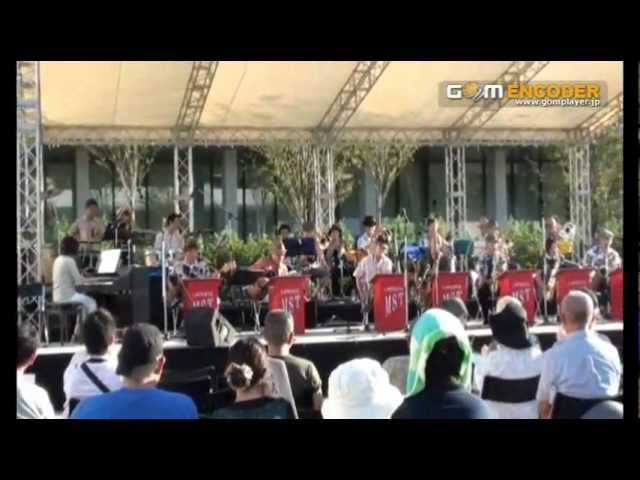
I don’t think Misato Town in Akita Prefecture is a large town, but I was surprised to find out it has a jazz orchestra.
Apparently, it’s a full-fledged group made up of people in their 30s to 50s.
It’s popular at annual concerts as well as ceremonies and events.
It’s nice to be able to hear jazz played with familiar, well-known tunes close to home.
Donpan-bushiKakunodate

In Kakunodate, it seems the Donpan Bushi is danced during the cherry blossom festival in May.
It’s nice to get familiar with folk songs through hand dances.
For the children, it will surely become an unforgettable memory.
As for the Donpan Bushi lyrics, which can be arranged in many ways, you can’t leave out the parts about the song itself and the Akita beauties.
Donpan-bushi: An Akita folk song passed down and sung by various artists (41–50)
Donpan-bushiBikutā Shōnen Min’yō Kai

The Victor Youth Folk Song Association produced many figures connected to folk music, including Yoko Nagayama.
Donpan-bushi is included in the first volume of “Folk Song Pride of Our Country.” It has a classic, orthodox feel, properly conveying through its lyrics the importance of singing and dancing, cherishing one’s homeland, and valuing people.
In conclusion
The powerful sound of drums and lively rhythms of Akita’s “Donpan-bushi” leave a lasting impression. The fact that many artists perform it shows how it’s loved across generations. By experiencing its vibrant melody, you can rediscover the richness of folk songs that live on throughout Japan.