

[For Seniors] Association Game with 3 Hints: A Satisfying List of Topics When You Get It

Word association games are one type of recreation that can help stimulate the brains of older adults.
Not only does carefully thinking through prompts serve as brain training, but arriving at the answer also gives a sense of accomplishment.
The word association game we’re introducing here involves deriving the answer from three clues.
Start with the most difficult clue, and save the hint that’s most likely to lead to the answer for last.
If you’re a care worker who finds that coming up with prompts really works your brain, please use this as a reference when preparing your word association games.
- For seniors: Fun, crowd-pleasing word association game ideas
- [For Seniors] Fun and Lively! Recommended Quiz Questions
- [For Seniors] Lively Wordplay Game: Fun Recreation for Elderly Care
- [For Seniors] Brain Training! Recall Quiz Collection!
- [For Seniors] Great for Brain Training! Question Card Ideas
- [For Seniors] Lateral Thinking Game! Brain Training
- [For Seniors] Challenging but Exciting! Kanji Quiz
- [For Seniors] Fun Brain Training! Lively Whiteboard Activities
- [For Seniors] Fun Brain Training! Prefecture Quiz
- [For Seniors] Simple Recreational Activities You Can Enjoy While Seated
- [Brain Training] Lively Word Quiz for Seniors
- Hand games that liven things up for seniors—also great brain training
- [For Seniors] Have Fun with Wordplay Characters! A Collection of Funny Puzzles
[For Seniors] Word Association Game with Three Hints: Satisfying When You Get It — List of Topics (21–30)
Red, White, and Year-end

By being given two colors, you’ll probably first picture things that use those colors.
Once “red” and “white” are presented, some people might already be able to get close—thinking of Christmas, or auspicious items in Japan.
The range of possibilities, which started out broad and fuzzy, becomes clear with the final clue “year-end,” and the answer narrows rapidly.
That moment when the image clicks into place—that realization—is the fun part, isn’t it? The answer that emerges is Kohaku Uta Gassen, the year-end tradition where teams divided into red and white compete in a singing contest.

sea, mammal, big

It’s a pattern where you line up hints in sequence to gradually narrow down the answer.
The broad image suggested by “sea” spreads in many directions, but “mammal” suddenly narrows it to animals.
Because the options—like dolphins, dugongs, and sea otters—are clear, it’s fun that you can’t choose a definitive answer until the final hint, “big,” appears.
A mammal that lives in the sea, and among them especially large—this naturally brings “whale” to mind.
Sports, black and white, without using hands
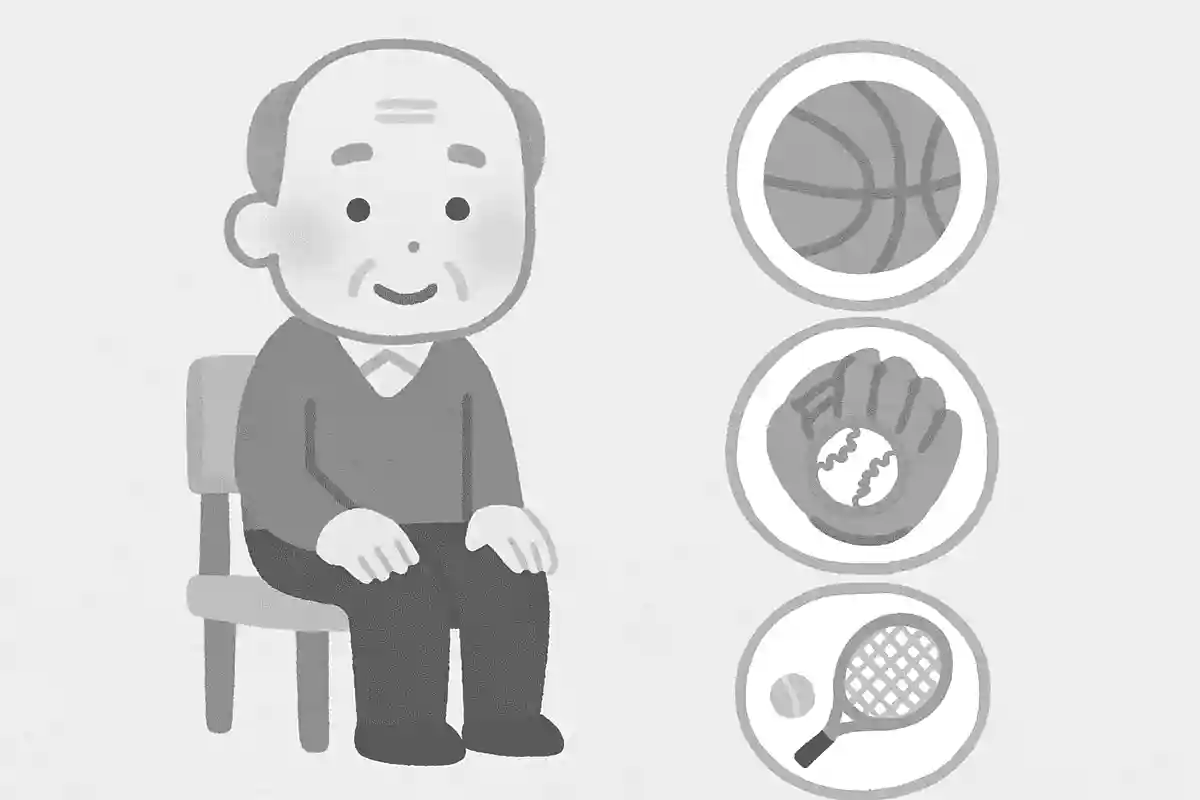
It’s the kind of pattern where the answer only starts to come to mind vaguely once you have all the clues together.
There are many kinds of “sports,” and when you hear “black and white,” you might think not only of the ball but also the field or uniforms.
Also, since there are many sports where you don’t use your hands, you can’t really rely on the order of the hints—you have to consider them all together for the answer to emerge.
This is a question where the answer is “soccer,” as it’s the name of a sport that uses a black-and-white ball and has a rule that you must not use your hands.
Rock, scissors, paper
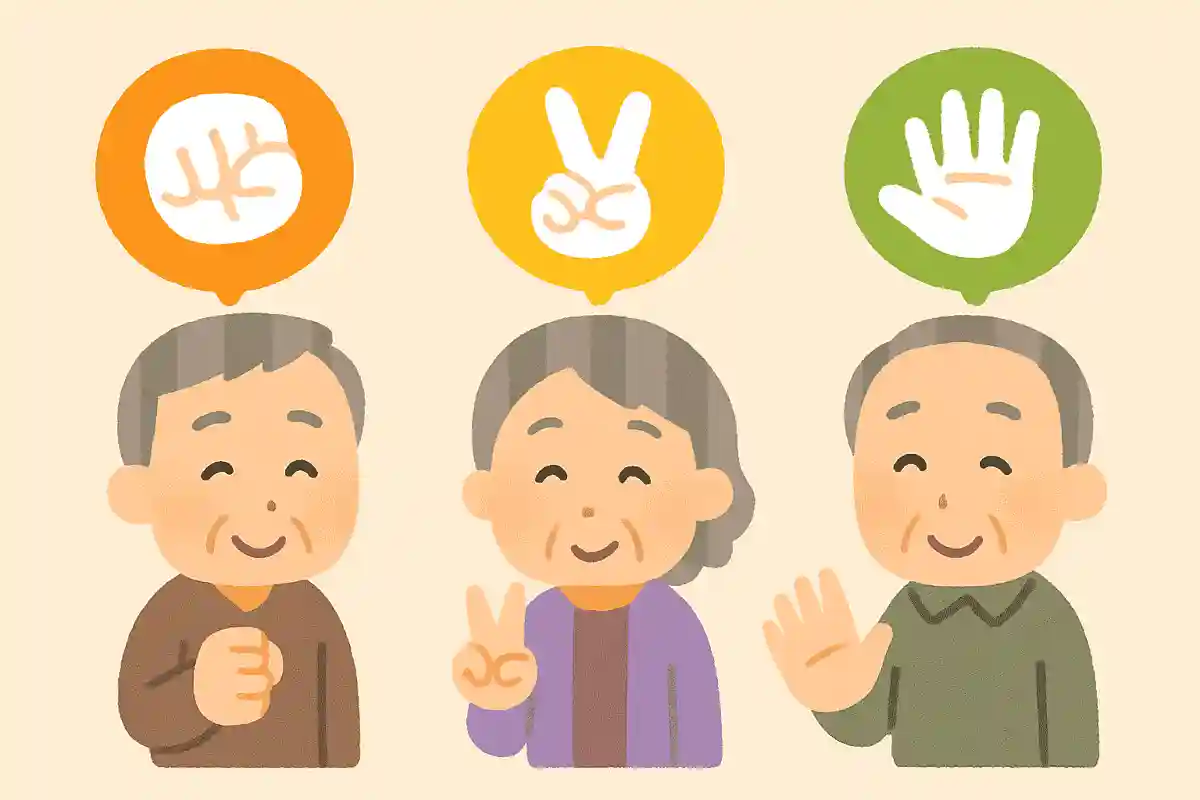
It’s the kind of pattern where the answer only comes to mind once you’ve gathered the key hint words.
I think another tricky point is that the clearer you picture a specific object, the harder it becomes to arrive at the answer.
Since it’s a game where hand shapes are likened to stone, scissors, and paper, the answer “rock-paper-scissors” can be derived.
If someone can’t reach the answer with just these three words, it might help to list terms related to situations where rock-paper-scissors is used—like “match” or “hand”—or words for body parts.
Piece, match, check
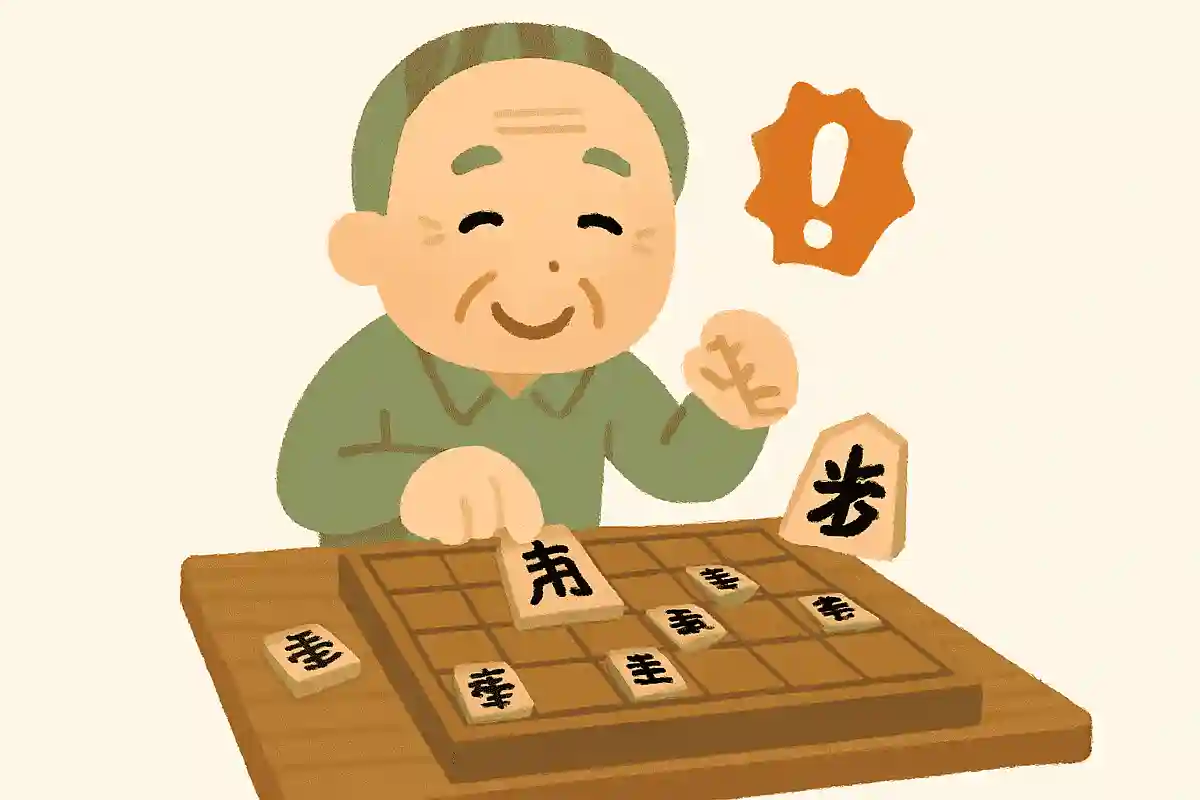
Even though people say, “We’ll never see a greater genius than this,” we’ve seen one ‘king-like’ player after another dominate their era: Koji Tanigawa Meijin, Yoshiharu Habu Meijin, Akira Watanabe Meijin, and now Sota Fujii Meijin, who has become the face of the shogi world.
I can’t help getting excited wondering whether a player who will even threaten Sota Fujii Meijin might appear someday.
It’s a three-hint quiz, but if you play shogi, you can answer it easily, right? For those not familiar with shogi, it might be a bit tough.
It’s the kind of quiz that makes you want to sit down and play.
Green, seed, fruit
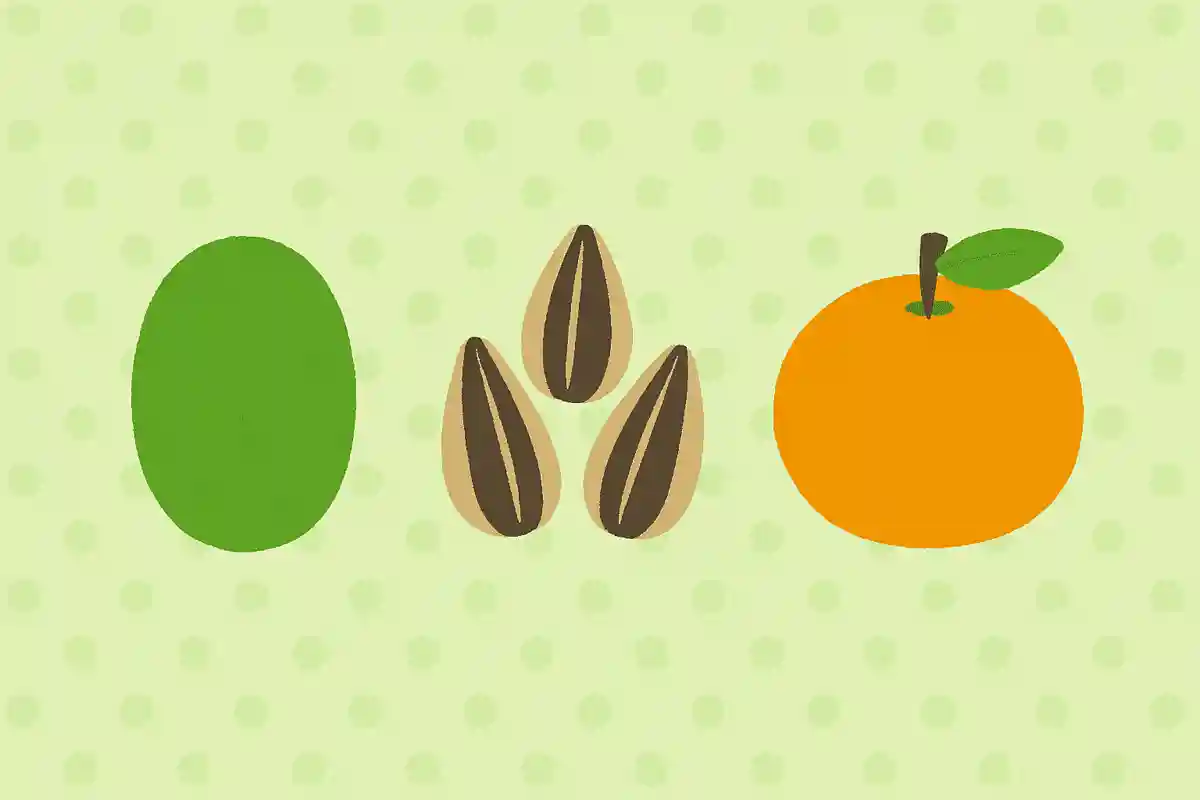
From aspects like its appearance color, characteristics, and genre, it feels like the image in your mind gradually becomes more concrete.
The key point is that the hint includes “seeds,” which every fruit has; by focusing on this, you can get closer to the answer.
Since it’s a fruit with a green exterior and distinctive seeds, the riddle brings “watermelon” to mind.
If that alone still leaves room for other fruits as possibilities, adding details like the season it’s commonly eaten—summer—or the red color seen when it’s cut open can help people picture a watermelon more clearly.
Monkey, pheasant, dog
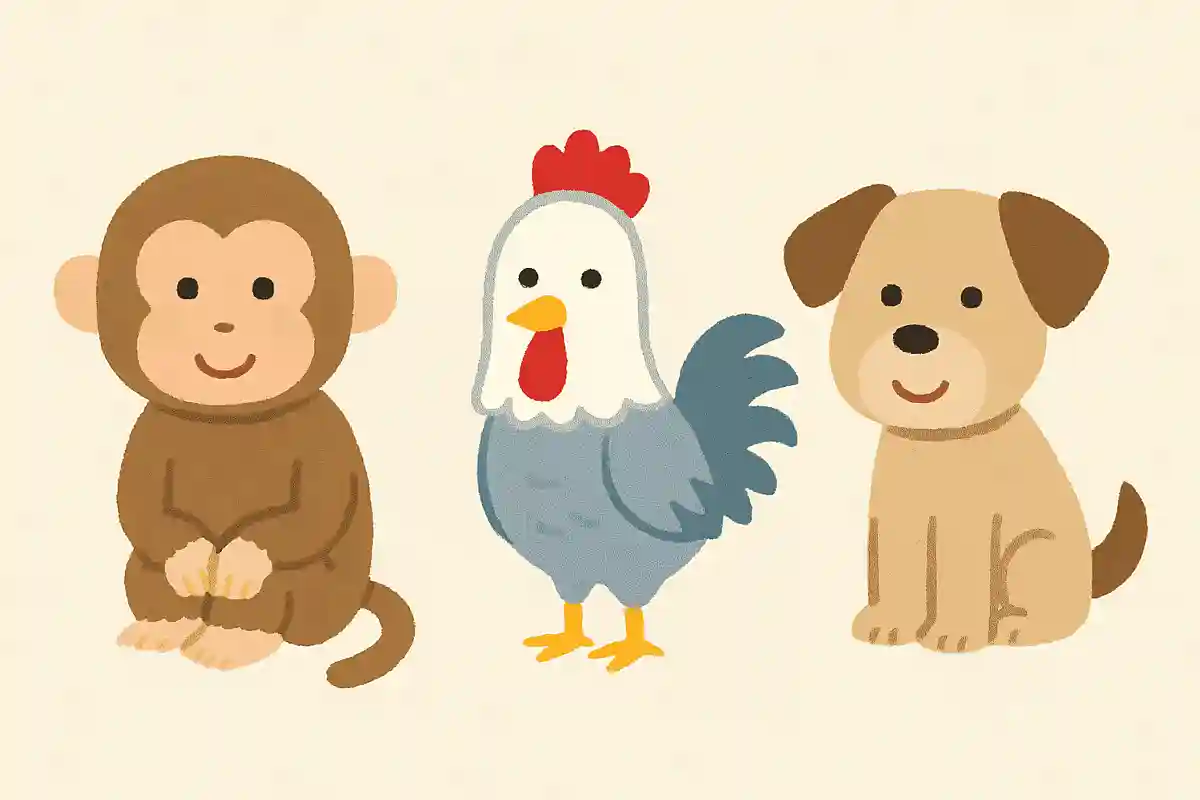
When it comes to folktales we’ve memorized well enough to tell others, I imagine many people would name Momotaro.
A mysterious premise of being born from a peach, a classic good-versus-evil story where bad ogres are defeated, teamwork with a monkey, a pheasant, and a dog, and finally victory—it seems to pack in every element that appeals to children.
There are various theories, but some say that in fact Prince Kibitsuhiko was the model for Momotaro.
It’s even said that his chief retainers—likened to the monkey, pheasant, and dog—really existed! If you’re curious, be sure to look into it.