

![[For Seniors] Surprisingly Unknown!? Quiz on Various Counters for Everyday Items and Animals](https://media.ragnet.co.jp/img/1200__png__https://www.ragnet.co.jp/files/2025/10/f08d85a0e681b8ad7ea88b156b932700.webp)
[For Seniors] Surprisingly Unknown!? Quiz on Various Counters for Everyday Items and Animals

“Rabbits are counted as one ‘wa,’ two ‘wa’; soba noodles as one ‘mai,’ two ‘mai’… In Japanese, the way we count things and living creatures varies depending on what they are.
Even words we use without thinking can make us hesitate—‘Wait, how was that again?’—when asked for the correct counter.
In this article, we’ve gathered quiz-style questions that let you enjoyably learn these uniquely Japanese counting expressions.
They’re full of classic, beautiful turns of phrase and surprising origins, making them perfect for a bit of brain training.
They’ll also spark lively conversation with family and friends—‘Hey, did you know this?’ Give it a try!
[For Seniors] Surprisingly Unknown!? Quiz on Various Counters for Familiar Objects and Animals (1–10)
Which of the following is the correct way to count rabbits?
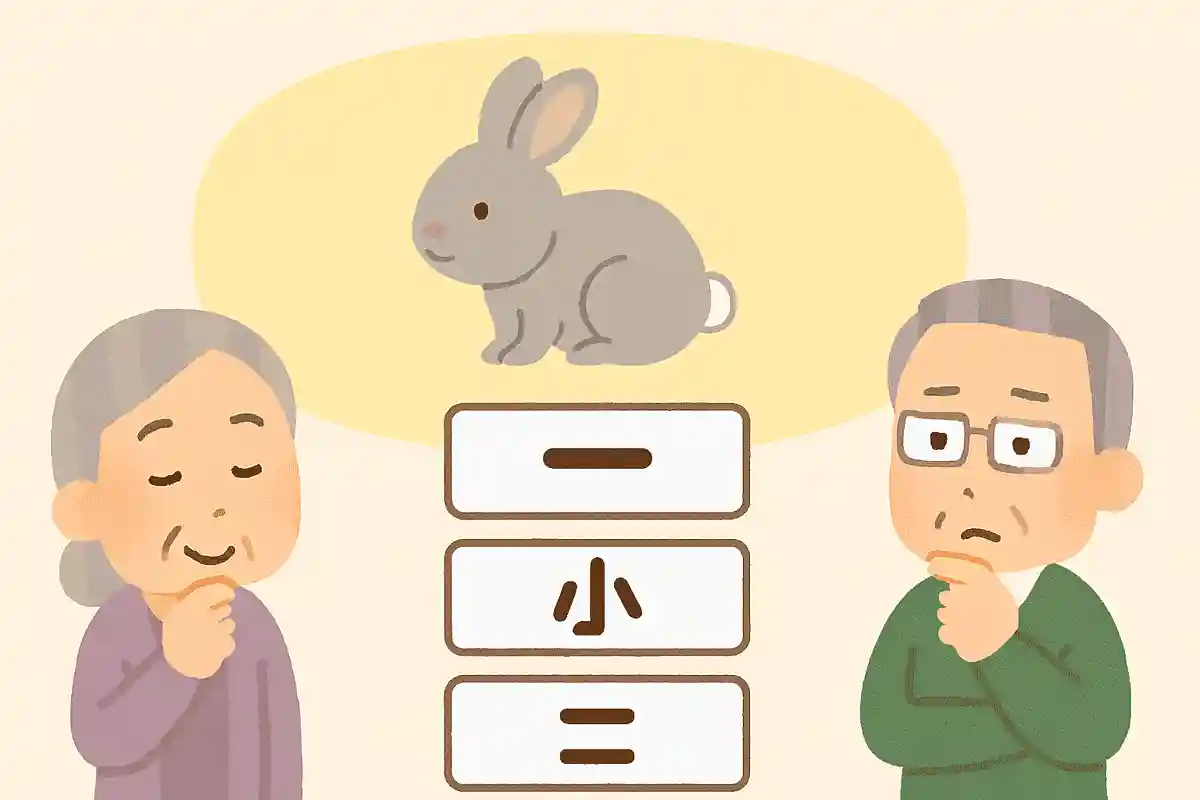
- counter for small animals; animal (counter)
- book
- counter for birds/rabbits (wa)
See the answer
counter for birds/rabbits (wa)
Traditionally, rabbits are counted using ichi-wa, ni-wa (“one wing,” “two wings”). Originally, wa (“wing”) was a counter for birds, but in old Japan eating the meat of four-legged animals was prohibited, so rabbits were counted like birds to permit them to be eaten. As a remnant of this practice, rabbits are still counted with wa today. Using hiki isn’t incorrect, but wa is considered the formal counter.

Which of the following is the correct way to count servings of zaru soba?
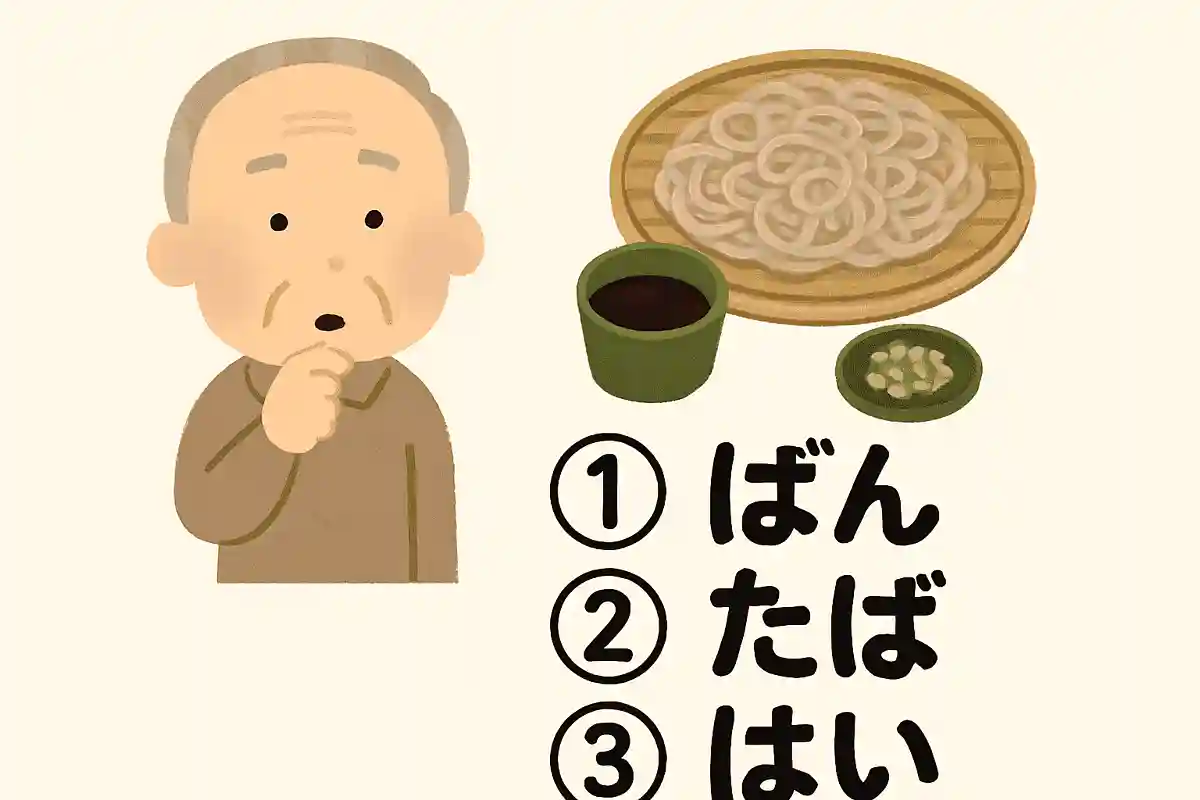
- cup
- counter for flat objects (mai)
- book
See the answer
counter for flat objects (mai)
Since zaru soba is often served arranged on a plate or bamboo sieve, it is counted using mai, as in “one mai,” “two mai.” Unlike sushi, which is counted in kan, or ramen, which is counted in pai (a bowl), this is a uniquely Japanese usage where mai refers to the serving plate as the unit.
Which of the following is the correct way to count octopuses and squids?
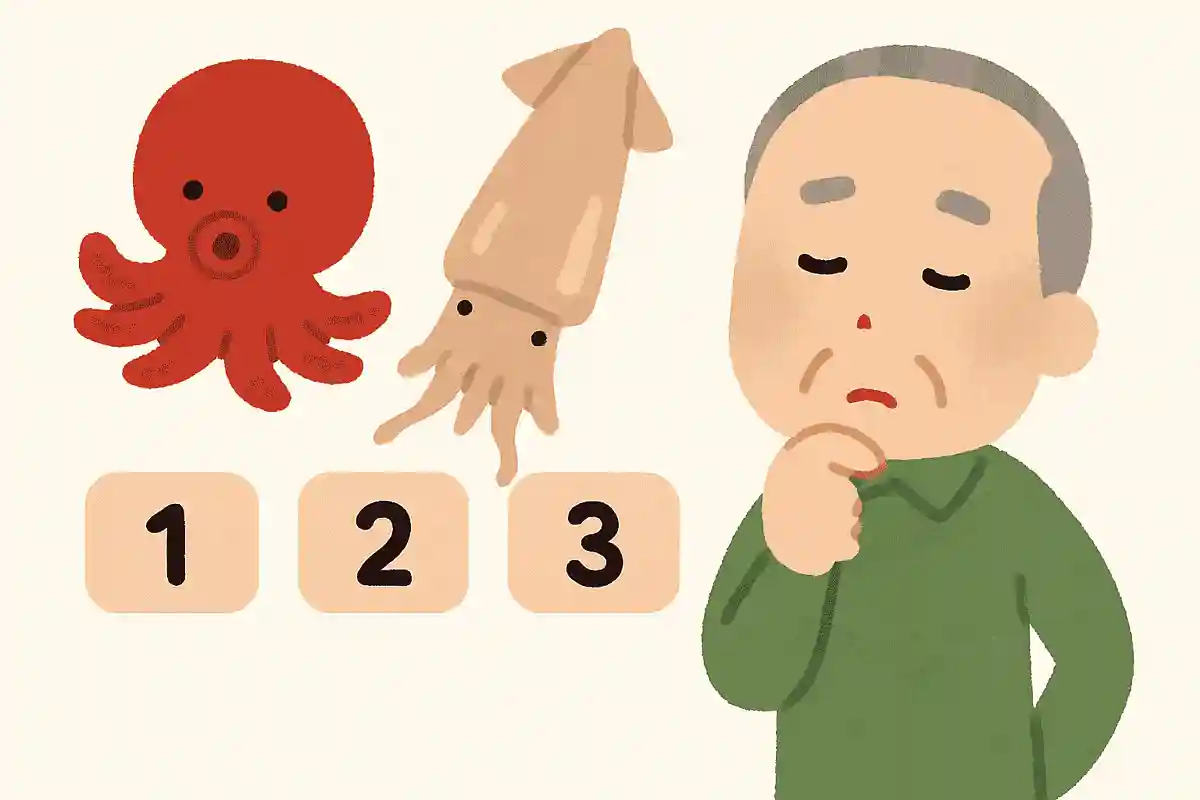
- book
- Tail (bi)
- cup
See the answer
cup
For cephalopods like octopuses and squids, it’s common to count them using the unit “hai.” For example, you might say “three hai of squid.” Originally, hai means a cup or bowl, but this counting method arose because the bodies of octopuses and squids are bowl-like in shape. There are also other animal-specific counters, such as “bi” for fish and “wa” for birds, so it’s useful to remember them.
Which of the following is the correct way to count penguins?

- counter for birds/rabbits (wa)
- counter for small animals; animal (counter)
- head
See the answer
counter for birds/rabbits (wa)
Since penguins are classified as birds, they are generally counted with the counter “wa” (羽), the same as other birds. This counter is used mainly for birds, rabbits, and other relatively small animals. The penguins we usually see at zoos or on TV are counted as ichi-wa, ni-wa, and so on. By contrast, hiki (匹) and tō (頭) are used mainly for mammals, fish, and larger animals. The correct answer is “wa” (羽).
Which of the following is the correct counter for large ships?
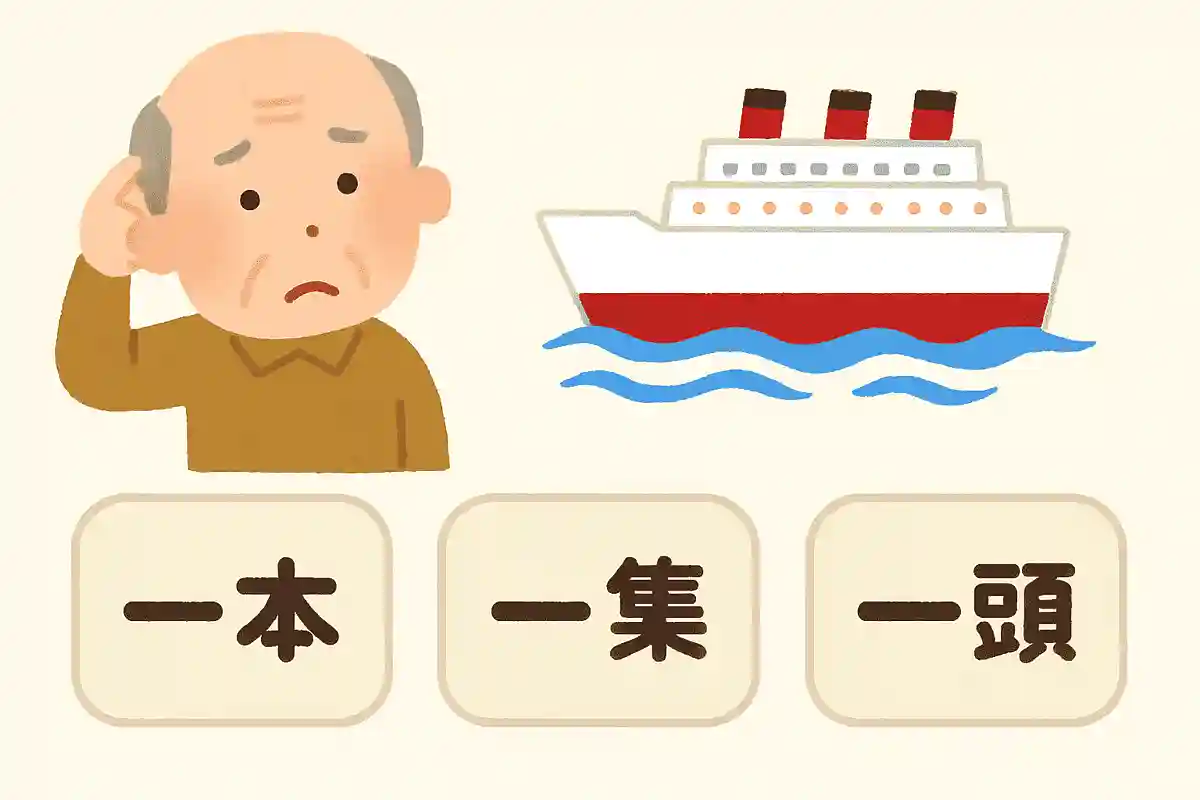
- stand; platform; table; counter (for counting machines, vehicles, etc.)
- seki (counter for ships and large vessels)
- head
See the answer
seki (counter for ships and large vessels)
When counting large ships, the unit “seki” is used. Therefore, the proper way to count is “isseki (one), niseki (two),” and so on. “Dai” is a counter commonly used for cars and machines, and “tō” is used for animals. For ships, regardless of size, the general counter is “seki,” so keep that in mind.
Which of the following is the correct way to count gods?
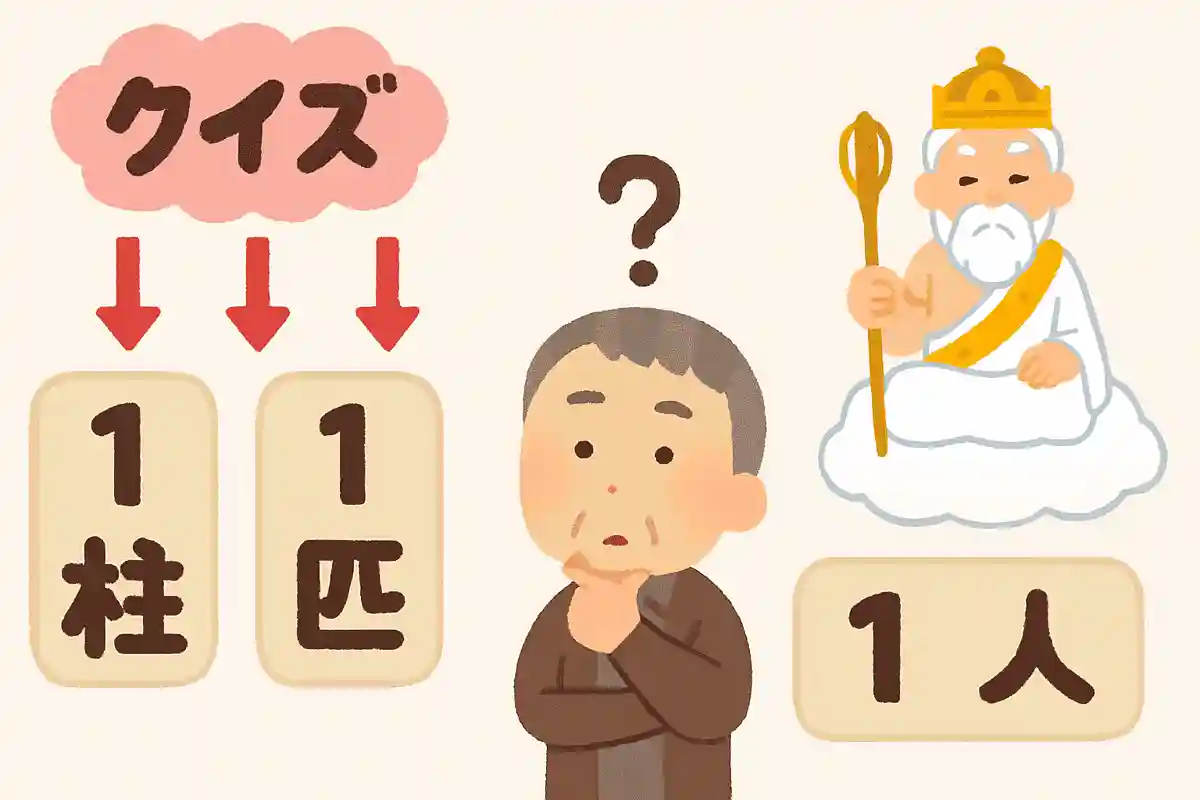
- person (reading: nin)
- pillar; post; column (hashira)
- body
See the answer
pillar; post; column (hashira)
When counting deities, a special counter called “hashira” is used, so they are counted as “hitohashira” (one deity), “futahashira” (two deities), and so on. This is a respectful way of counting Japanese deities, distinguishing them from people and animals. “Hitori” (one person) and “ittai” (one body) are used for people or statues of Buddhas, not exclusively for deities. Therefore, the correct answer is “hitohashira” (一柱).
Which of the following is the correct way to count Shinto shrines?
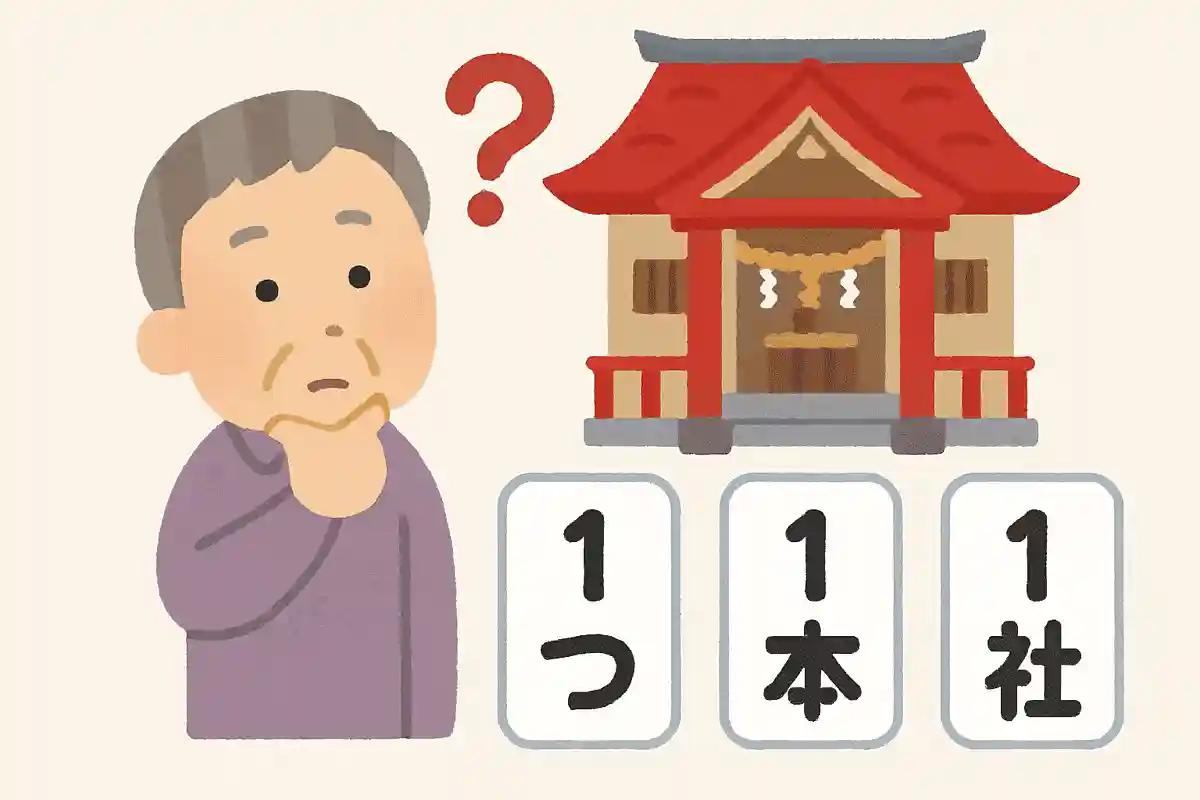
- ken (a traditional Japanese unit for spacing/intervals in architecture; also means eaves depending on context)
- shrine; company; firm (reading: sha)
- pillar; post; column (hashira)
See the answer
shrine; company; firm (reading: sha)
When counting Shinto shrines, the correct counter is “-sha,” as in “issha, nisha.” It is not “-ken” (used for buildings) or “-hashira” (used for deities). For example: “There are three shrines in this town.”