



Some caregiving staff may find it difficult to hold conversations with older adults.
You might think, “I don’t know what to talk about, so the conversation doesn’t continue,” or “I don’t have any funny, laugh-worthy stories.” The key to communicating with older adults is attentive listening—taking a genuine interest and carefully listening to what they say.
Try shifting your approach from “talking yourself” to “listening to the other person.” In this article, we’ll introduce conversation topics that older adults tend to enjoy and that help keep the conversation flowing.
If you know in advance some easy, enjoyable themes that older adults can talk about comfortably, you’ll be able to chat with more confidence.
Please use this as a reference for communicating with older adults.
- [For Seniors] Perfect Brain Training! Fun Trivia
- [For Seniors] Hilarious! A Collection of Funny Questions
- Fun, engaging topics for conversations with older adults!
- [For Seniors] Uplifting Words That Comfort the Heart
- [For Seniors] Today’s Recommended Activity: Fun and Engaging
- For seniors: Fun shiritori—enjoyable and easy to play
- [For Seniors] Fun and Lively! Recommended Quiz Questions
- Words useful for conversations with elderly people. Words that were used in the past.
- [For Seniors] Brain Training! Recall Quiz Collection!
- [For Seniors] Fun and Informative! Health Trivia Quiz
- [For seniors] Dice talk: engaging prompts
- Introducing words that will delight elderly people
- [For Staff at Elderly Care Facilities] Simple Performances to Liven Up a Year-End Party
Never run out of things to say! A roundup of conversation topics that seniors will enjoy (1–10)
The secret to a long life
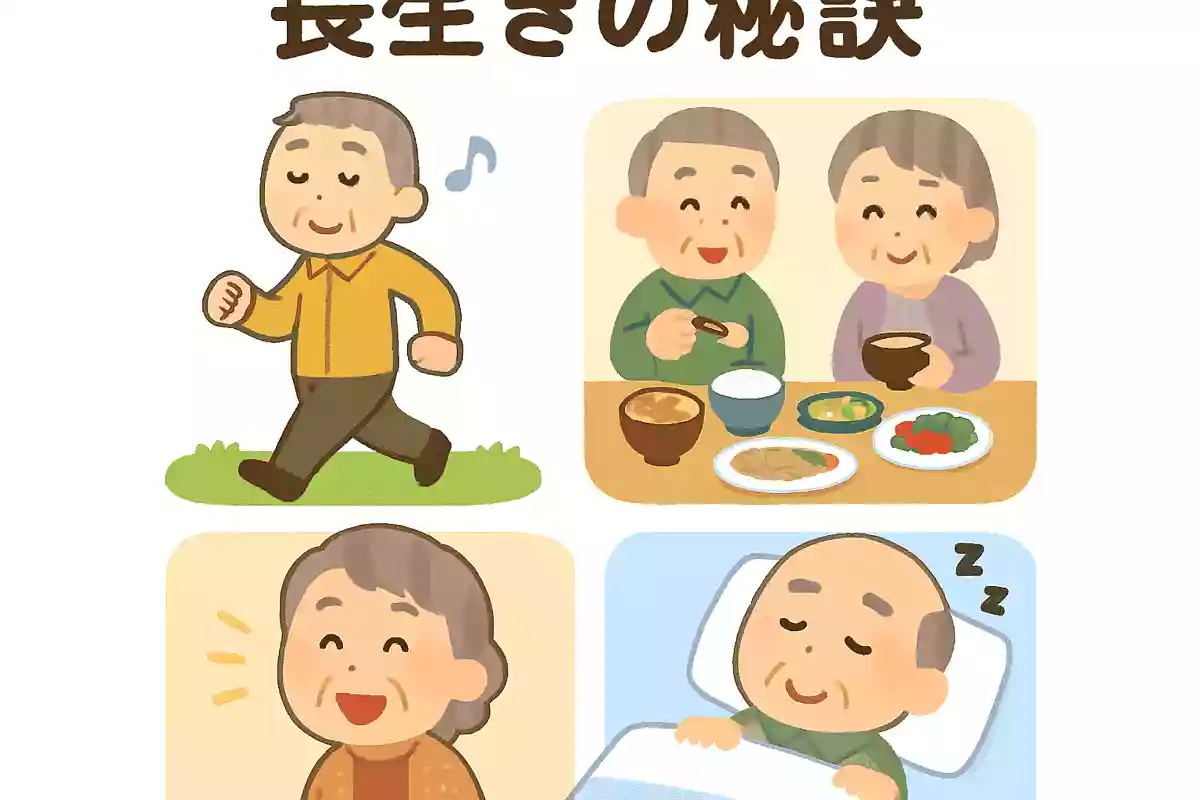
How can we stay healthy and live a long life? It’s something many people want to know.
So this time, shall we talk together on the theme of “the secrets to longevity”? You’ll likely hear lots of ideas such as “I make sure to drink plenty of water,” “I eat three balanced meals a day,” and “I try to exercise.” Some people might even say, “I don’t do anything special—I just enjoy my hobbies.” Why not listen to various perspectives and use this as a chance to adopt the approaches that suit you?

Childhood topics
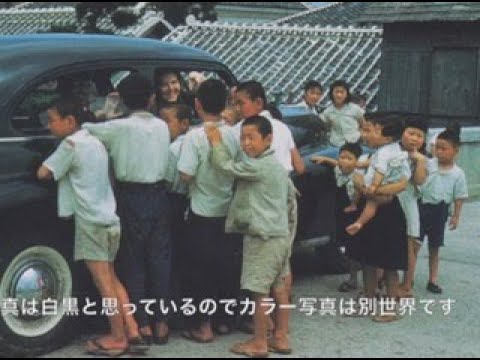
Everyone has gone through a childhood to arrive at the present, but how we spent those years differs by era.
How about drawing out memories from those early days and learning about each person’s journey and roots? Discovering the gaps in memories—differences by time period, by hometown, and more—can spark fresh insights.
By inviting people to reflect on how they spent their childhood and the memories they hold, they may also come to feel the paths they’ve walked and the ways they’ve grown.

Topics on TV and in the news
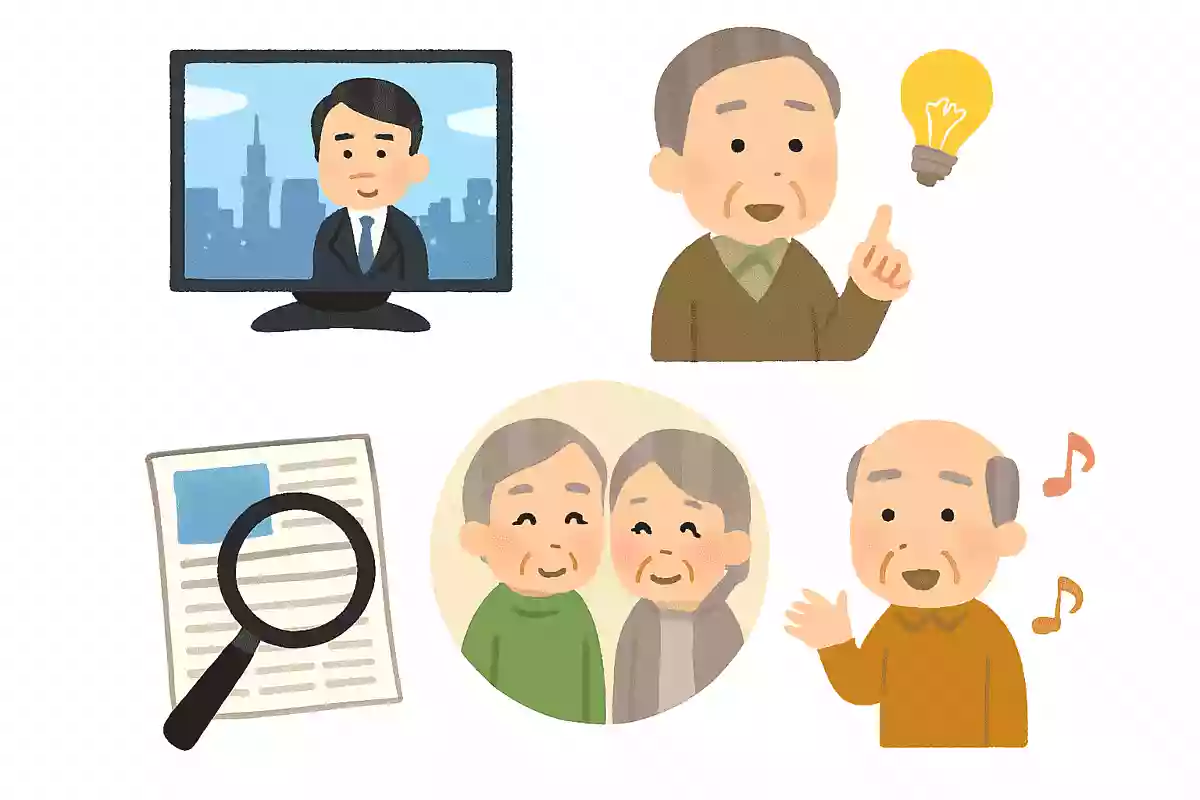
When people watch TV, I imagine everyone spends that time feeling something.
How about using what you thought while watching TV or what you felt after learning about recent news as a conversation starter? It could be fun to draw out different opinions on the news, or to exchange views and build the conversation from there.
Sometimes TV features cultures we’re not very familiar with, so trading questions about those and turning them into new knowledge and inspiration could also be interesting.
Today’s weather topic
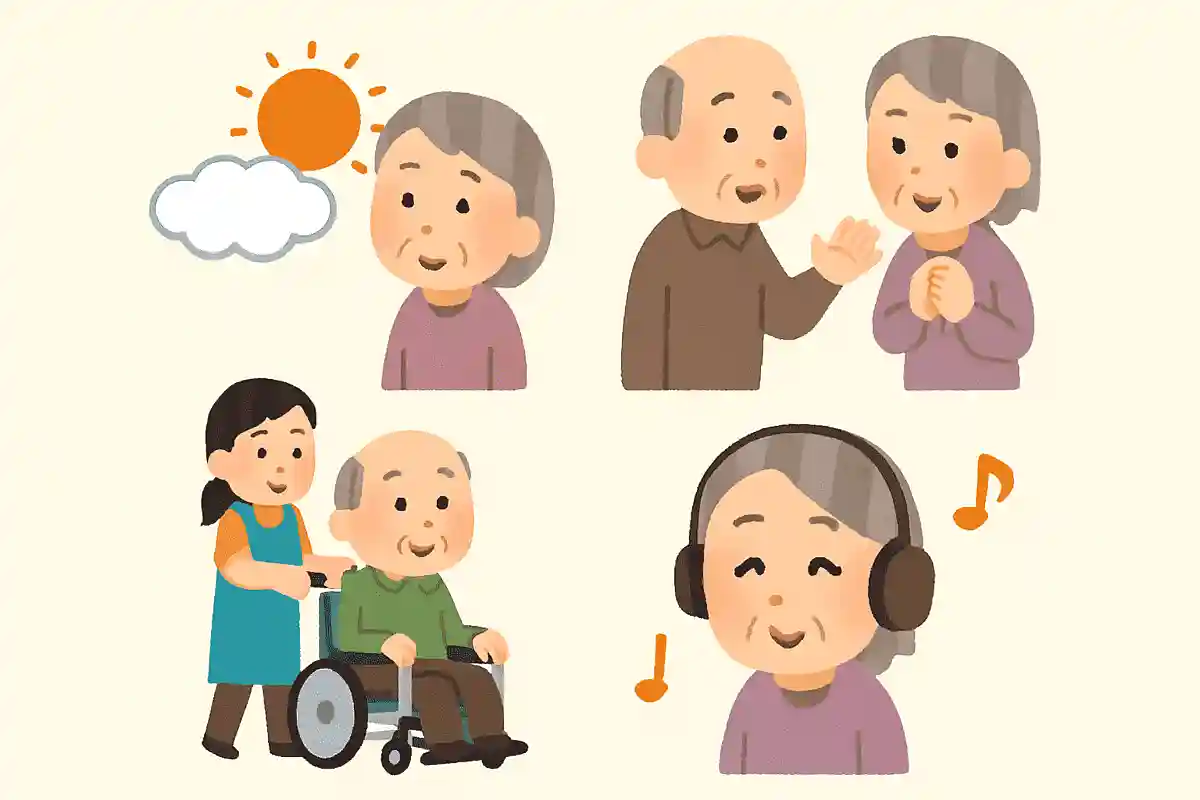
How about developing a conversation starting with the weather, which is the foundation of communication? Some might think of it as a last resort when you run out of topics, but precisely because it’s a basic subject, it’s perfect for kicking things off.
You can talk not only about the current weather but also how it might change, and branch out to seasonal shifts based on temperature changes.
You could also draw out experiences that the day’s weather brings to mind or memories of weather from past trips—those are likely to liven up the conversation as well.
A topic about a hobby I’m into

How about getting to know what the person is interested in through talking about hobbies? While drawing out topics about what they like, make sure to truly enjoy the conversation.
It could be fun to ask about hobbies they’ve had for years and things they’ve gotten into recently, and learn how their interests have changed over time.
If you share the same hobby, you can talk in depth; even if you don’t know much about it, you can keep the conversation lively by asking questions and getting answers.
If you expand it into a group discussion where everyone talks about their own hobbies and recommends things to each other, you’ll likely have a meaningful time.
Topics about one’s profession during their active working years and about child-rearing
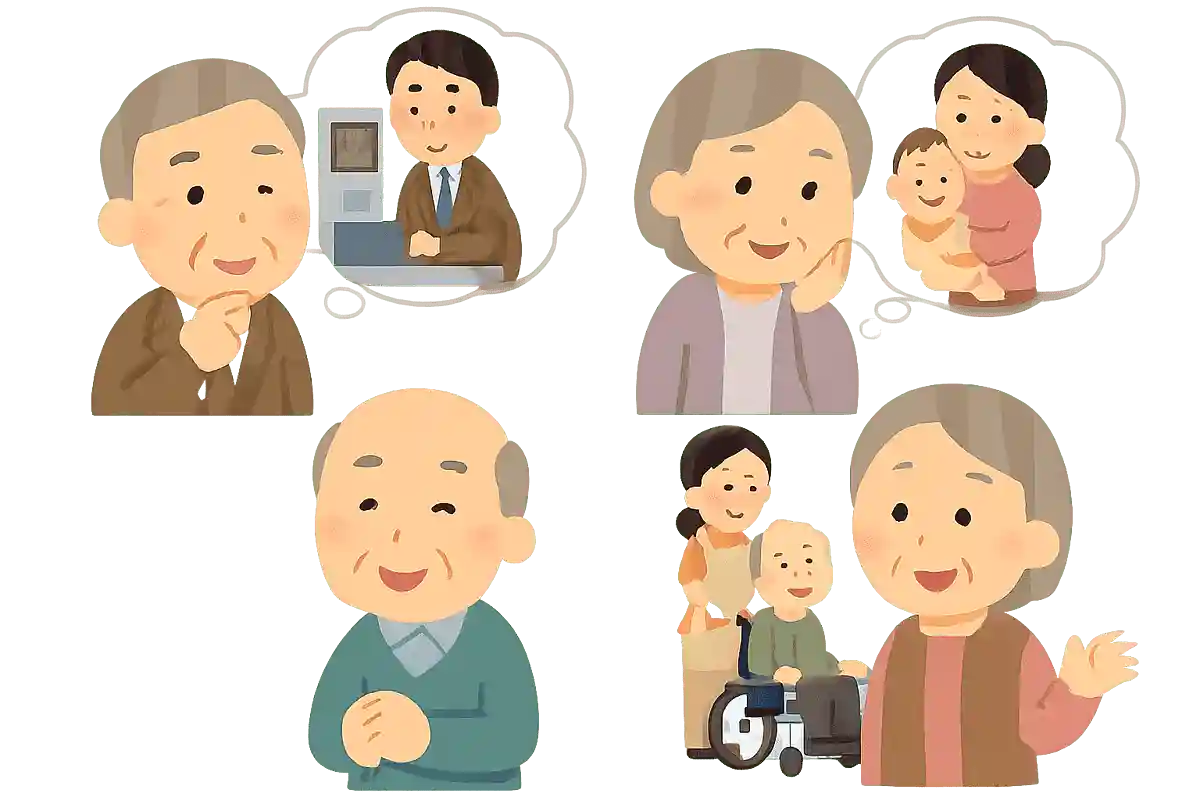
How about drawing out memories and personal stories from the life they’ve lived so far as a way to spark conversation? Asking what kind of work they did or how they raised their children can help you feel the differences in each person’s journey.
Through those topics, try to bring out happy memories as well.
Conversations with older adults may become lively and cheerful.
Learning about the paths of people with a wide range of experiences can feel refreshing for you, too.
You could also deepen the exchange by asking for advice based on their life experience and expressing your gratitude.
Story about pets
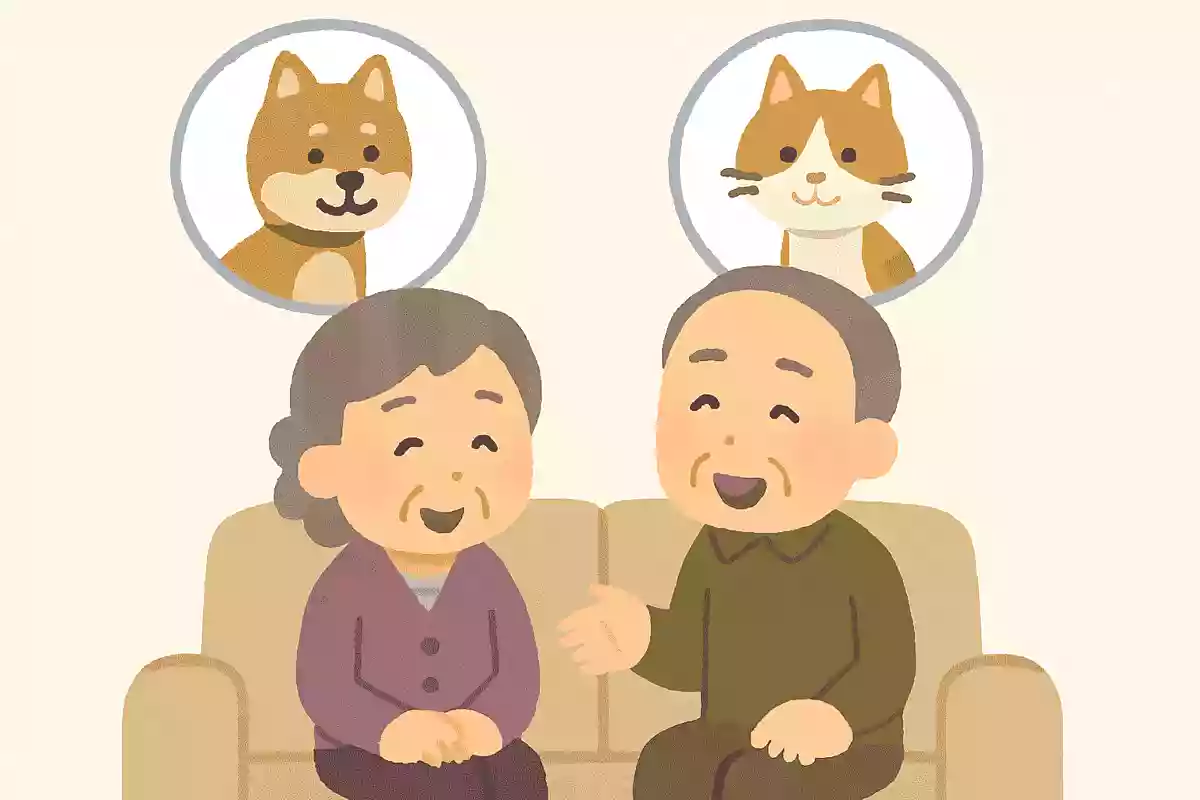
How each of us has interacted with animals varies from person to person, and even the pets we’ve had show their own personalities.
How about looking back on your memories of how you’ve related to animals and the pets you’ve owned? By noticing the differences—such as between people who have kept many kinds of pets and those who really wanted to but never could—you might also see the unique paths each person has taken.
If you can recall what you felt during the time you spent with pets, it may even become a chance to bring a sense of peace to your heart.