

[For Seniors] Trivia Quiz & Fun Facts About the Great Buddha of Kamakura: Questions You'll Want to Share


The Great Buddha of Kamakura is beloved by many as one of Japan’s most iconic Buddhist statues.
Perhaps you visited it on a school trip or while sightseeing.
In fact, the Great Buddha of Kamakura hides many little-known and fascinating facts.
From the number of spiral curls on its head, to its weight, to what the interior looks like, it’s full of trivia that even past visitors may not know.
Learn while having fun in a quiz format, and you’re sure to discover new charms of the Great Buddha of Kamakura.
Whether you’re reminiscing about old memories or looking forward to your next visit, give it a try!
- [For Seniors] Fun and Informative Trivia Quiz Collection
- Surprisingly unknown? Trivia Quiz [Multiple Choice: 3 Options]
- [For Seniors] Introducing Scary Trivia Quizzes & Fun Facts!
- [For Kids] Trivia & Fun Facts Quiz about Detective Conan
- [For Seniors] Recommended Trivia Quizzes & Fun Facts for November
- [For Seniors] Boost Your Knowledge! Fun Trivia Quiz
- How much do you know? Trivia quiz for seniors that’s full of surprisingly unknown facts
- [For Seniors] Introduction to Trivia Quiz and Fun Facts about Ninna-ji Temple
- [For Seniors] Hina Matsuri (Girls’ Day) Trivia Quiz & Fun Facts. Recommended for Dementia Prevention Activities
- [For Seniors] Introducing Trivia Quizzes and Fun Facts About December
- [For Seniors] Kanagawa Prefecture Local Quiz! Learn more while having fun
- For Seniors: Useful Trivia Questions! Introducing Fun Facts Quizzes You'll Want to Share
- Fun facts quiz about Sensō-ji: Trivia questions about Kaminarimon and nearby facilities (for seniors)
[For Seniors] Trivia Quiz and Fun Facts about the Great Buddha of Kamakura: Shareworthy Questions (1–10)
Who composed the poem about the Great Buddha of Kamakura, “Kamakura ya mihotoke naredo Shakamuni wa binan ni owasu natsukodachi kana”?

- Akiko Yosano
- Takuboku Ishikawa
- Masaoka Shiki
See the answer
Akiko Yosano
This tanka was composed by Akiko Yosano. Yosano, a poet known for her passionate style, made major contributions to the development of modern tanka. In this poem, she praises the Great Buddha of Kamakura as a handsome man and vividly depicts the scene of gazing up at the statue amid the summer grove.

The spiral curls (rahatsu) are a distinctive hairstyle of Great Buddha statues. On the Great Buddha of Kamakura, do the curls spiral to the right or to the left?
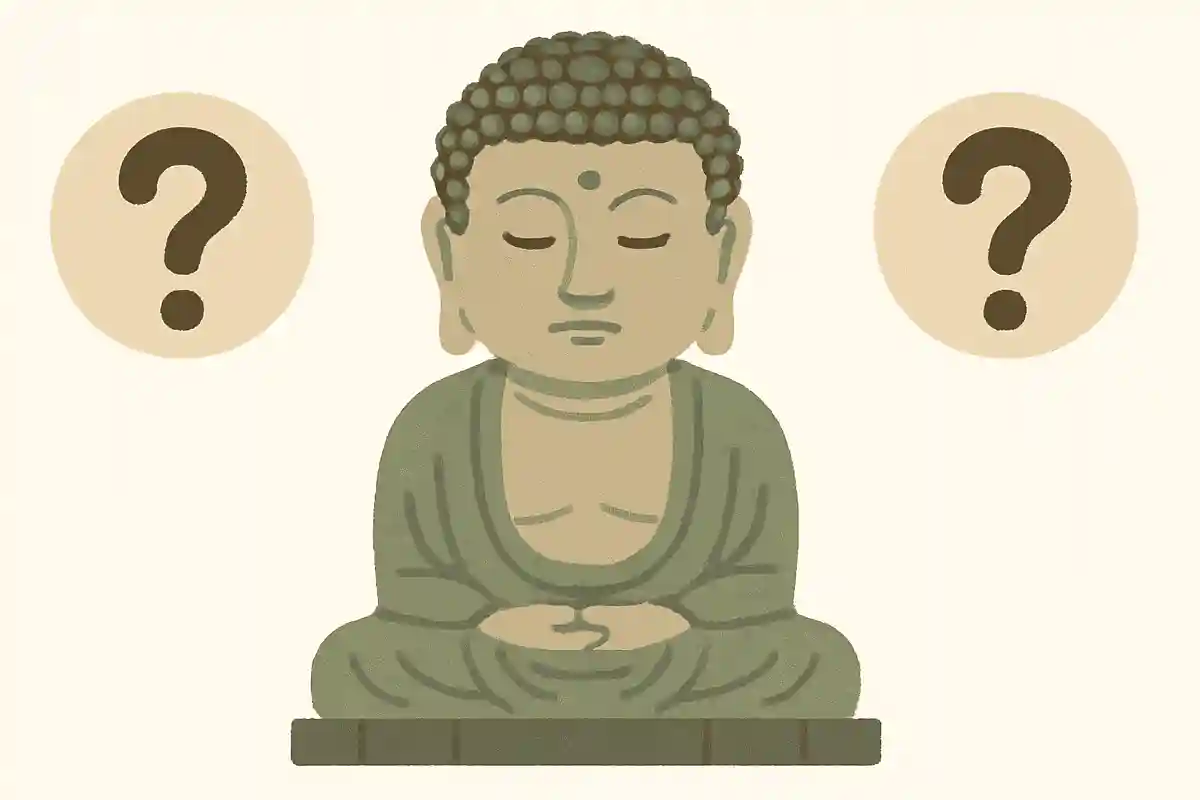
- left-handed
- right-winding
- Both are mixed
See the answer
left-handed
While many large Buddha statues commonly have right-twisted curls, the Great Buddha of Kamakura is characterized by left-twisted curls. If you look closely at the statue, you can see that each individual curl is twisted to the left in the same direction.
What do you call the representation of the white tuft of hair located between the eyebrows of the Great Buddha of Kamakura?
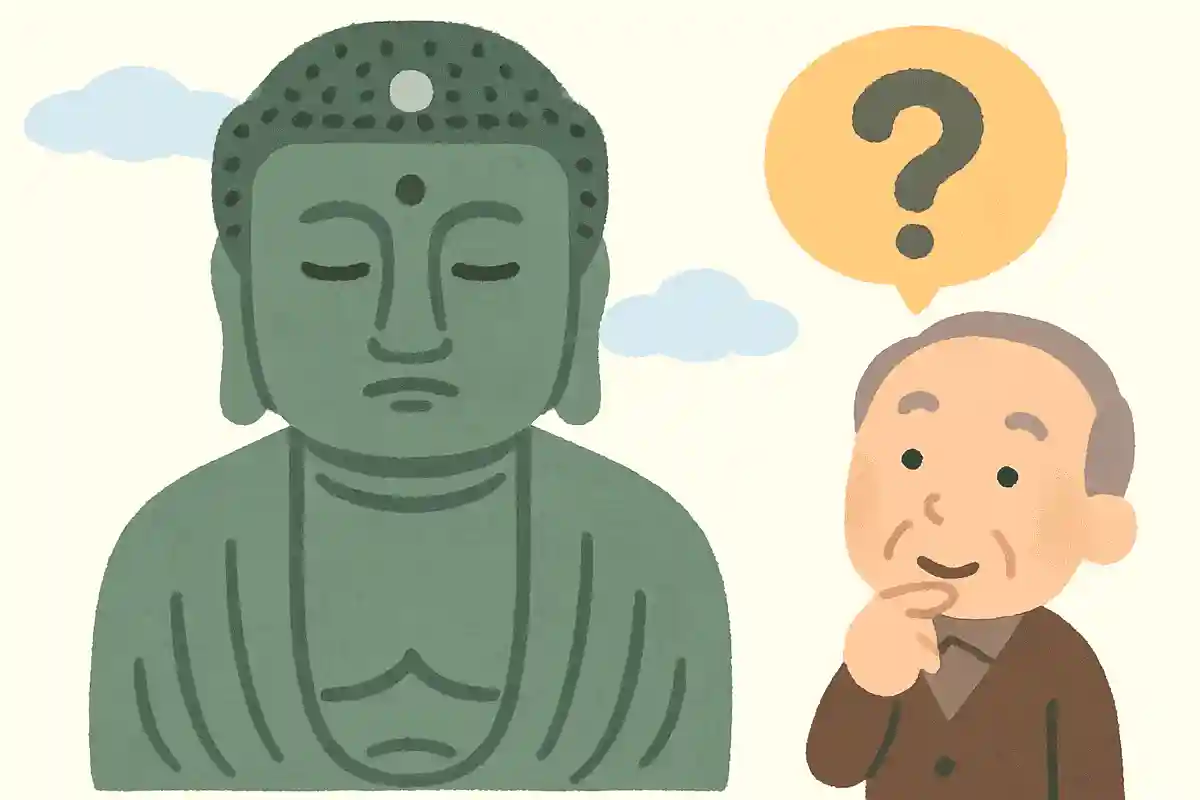
- urna (the white hair tuft between the eyebrows of a Buddha)
- spiral coils of hair (often referring to the curls on Buddhist statues' heads)
- jeweled crown
See the answer
urna (the white hair tuft between the eyebrows of a Buddha)
The white tuft of hair attached to the forehead of the Great Buddha of Kamakura is called the “byakugō,” or urna. The byakugō is a common feature of Buddhist statues and is counted among the Thirty-Two Marks of a Great Man possessed by the Buddha. This part symbolizes the Buddha’s wisdom and compassion, and it is traditionally said to be a white, tightly curled hair forming a spiral. Noticing it when viewing Buddhist statues can help you feel a deeper sense of the Buddha’s grace and history.
[For Seniors] Trivia Quiz & Fun Facts about the Great Buddha of Kamakura: Shareable Questions (11–20)
How many lotus petals are arranged behind the Great Buddha of Kamakura?
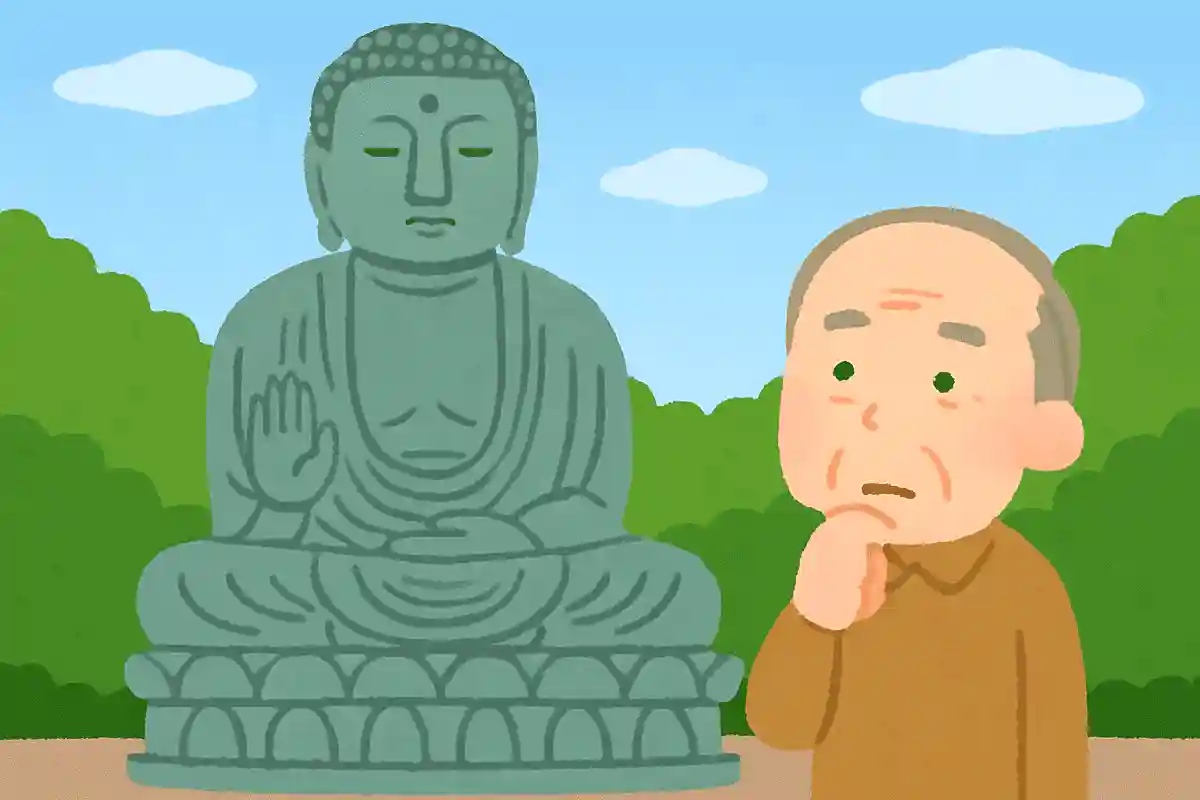
- 4 sheets
- 16 pieces
- 32 pieces
See the answer
4 sheets
On the back of the Great Buddha of Kamakura, four decorative plates called renben, shaped like lotus petals, are arranged in a row. Renben are lotus-petal motifs used to decorate pedestals. Originally, 32 renben were planned to be cast, but only four—those that remain today—were completed.
What is the Great Buddha of Kamakura made of?
- tree
- stone
- bronze
See the answer
bronze
The Great Buddha of Kamakura is made of bronze. It is said that the original statue was wooden, but the one that remains today is bronze. It stands about 11.3 meters tall. Although it has undergone multiple restorations throughout its long history, most of the work has involved the bronze sections. Because bronze is resistant to rust and very durable, the statue has retained its beautiful appearance to this day.
How many meters tall is the Great Buddha of Kamakura?
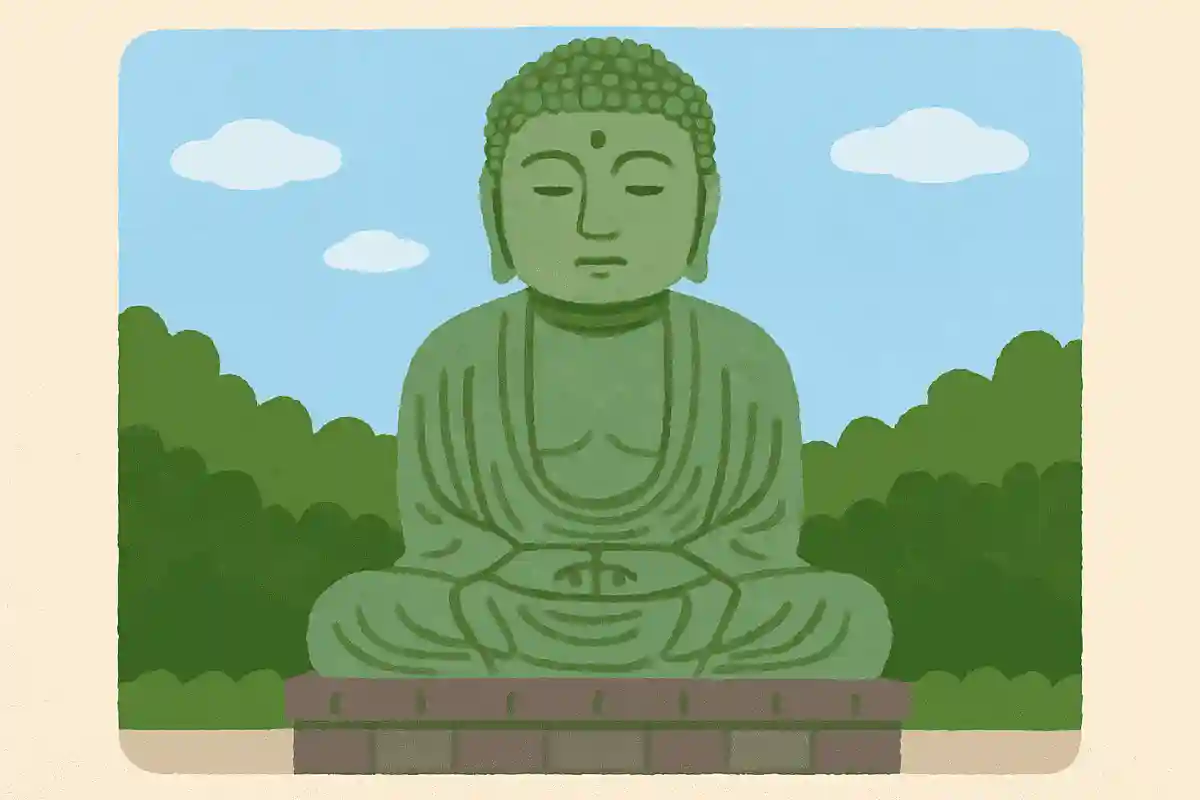
- About 11 meters
- about 13 meters
- about 15 meters
See the answer
About 11 meters
The Great Buddha of Kamakura stands about 11.39 meters tall, overwhelming all who see it, and it is the only National Treasure in Kamakura.
What is inside the Great Buddha of Kamakura?
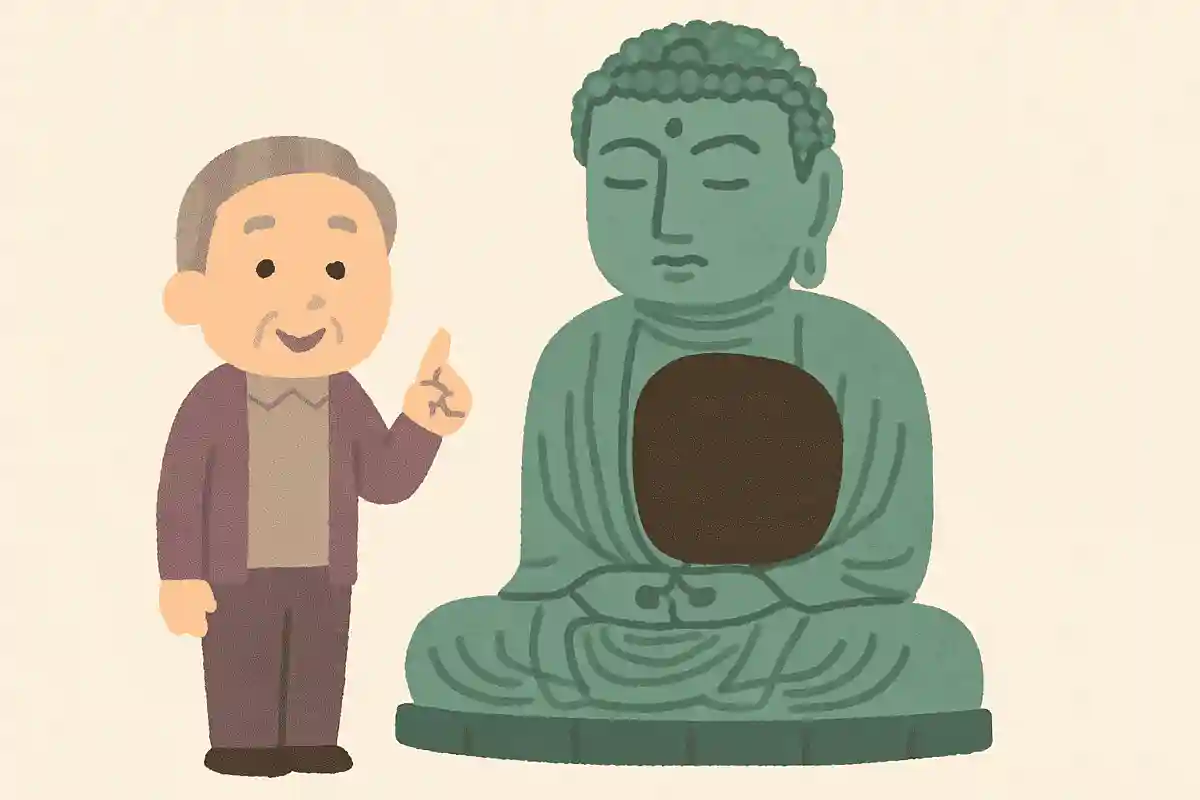
- cavity
- Buddhist relics
- treasure
See the answer
cavity
The interior of the Great Buddha of Kamakura is hollow, and visitors can go inside. It is open to the public year-round from 8:00 a.m. to 4:30 p.m. The visiting hours for Kotoku-in vary by season, so please check the schedule before you go.