

[For Seniors] Trivia Quiz & Fun Facts About the Great Buddha of Kamakura: Questions You'll Want to Share


The Great Buddha of Kamakura is beloved by many as one of Japan’s most iconic Buddhist statues.
Perhaps you visited it on a school trip or while sightseeing.
In fact, the Great Buddha of Kamakura hides many little-known and fascinating facts.
From the number of spiral curls on its head, to its weight, to what the interior looks like, it’s full of trivia that even past visitors may not know.
Learn while having fun in a quiz format, and you’re sure to discover new charms of the Great Buddha of Kamakura.
Whether you’re reminiscing about old memories or looking forward to your next visit, give it a try!
- [For Seniors] Fun and Informative Trivia Quiz Collection
- Surprisingly unknown? Trivia Quiz [Multiple Choice: 3 Options]
- [For Seniors] Introducing Scary Trivia Quizzes & Fun Facts!
- [For Kids] Trivia & Fun Facts Quiz about Detective Conan
- [For Seniors] Recommended Trivia Quizzes & Fun Facts for November
- [For Seniors] Boost Your Knowledge! Fun Trivia Quiz
- How much do you know? Trivia quiz for seniors that’s full of surprisingly unknown facts
- [For Seniors] Introduction to Trivia Quiz and Fun Facts about Ninna-ji Temple
- [For Seniors] Hina Matsuri (Girls’ Day) Trivia Quiz & Fun Facts. Recommended for Dementia Prevention Activities
- [For Seniors] Introducing Trivia Quizzes and Fun Facts About December
- [For Seniors] Kanagawa Prefecture Local Quiz! Learn more while having fun
- For Seniors: Useful Trivia Questions! Introducing Fun Facts Quizzes You'll Want to Share
- Fun facts quiz about Sensō-ji: Trivia questions about Kaminarimon and nearby facilities (for seniors)
[For Seniors] Trivia Quiz & Fun Facts about the Great Buddha of Kamakura: Fascinating Questions You'll Want to Share (21–30)
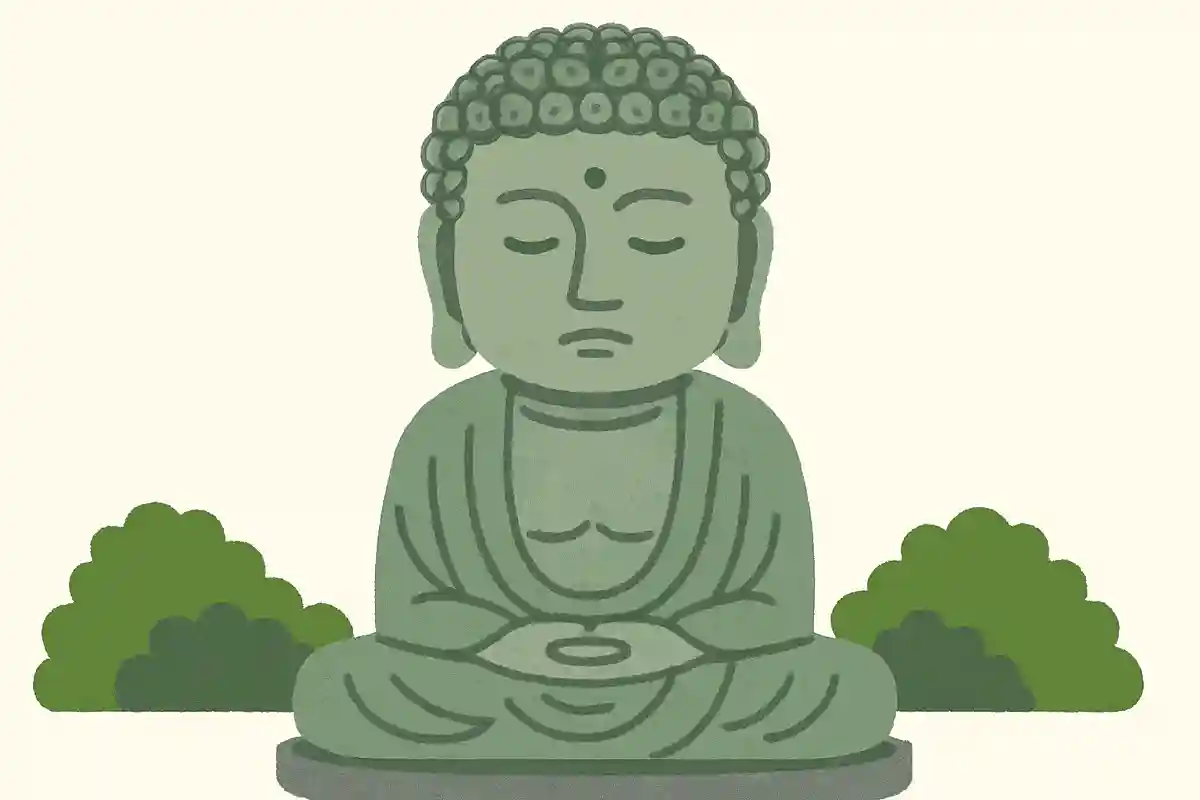
The Great Buddha has spiral curls called “rahatsu.” How many rahatsu does the Great Buddha of Kamakura have?
- 456 pieces
- 556 pieces
- 656 pieces
See the answer
656 pieces
Currently, 656 spiral curls (rahatsu) have been confirmed on the Great Buddha of Kamakura. By the way, the Great Buddha of Nara has 996 spiral curls.
When was the Great Buddha of Kamakura made?
- the year 1238
- the year 1246
- the year 1252
See the answer
the year 1252
The Great Buddha of Kamakura began casting in 1252, in the early Kamakura period, and is estimated to have been completed by 1264.
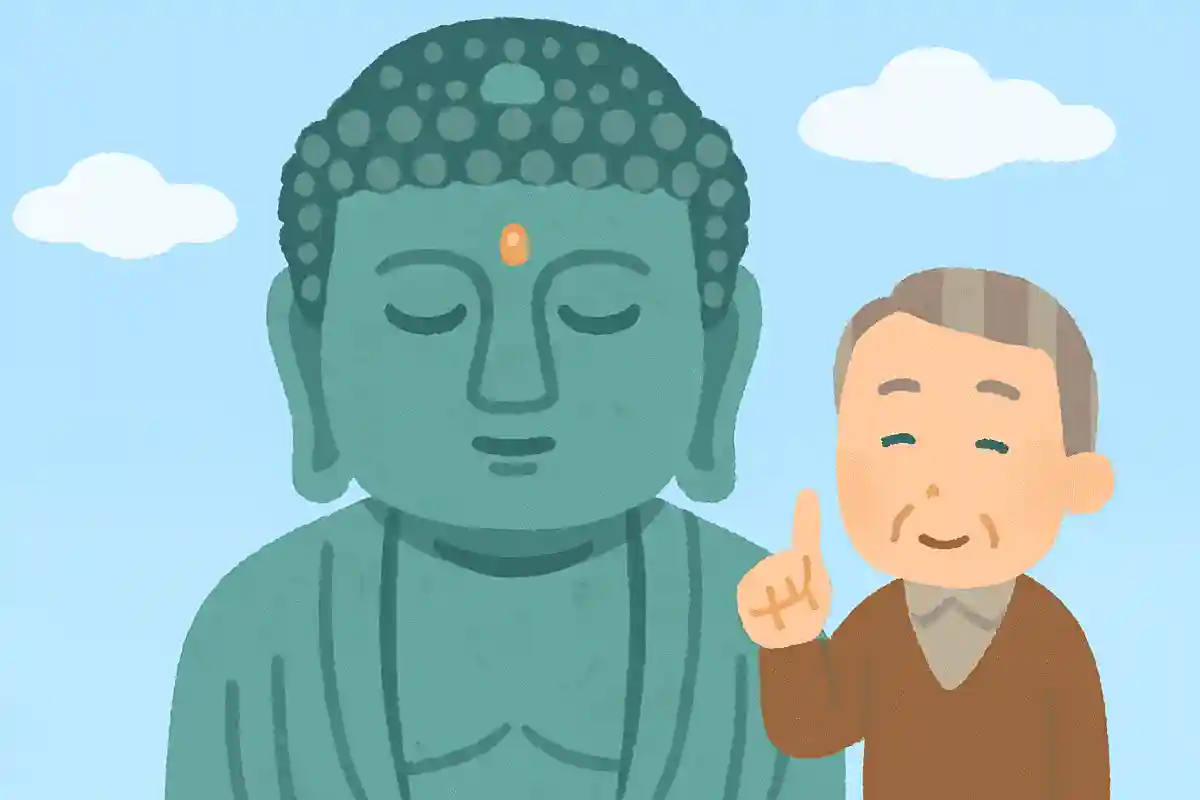
What do you call the eye parts of the Great Buddha of Kamakura?
- true blue eyes
- crimson eyes
- True Blue-Eyed Gaze
See the answer
true blue eyes
The eyes of the Great Buddha of Kamakura are called “Shinshō Gensō,” literally “true blue eye aspect.” When glimpsed from beneath the eyelids, the statue’s eyes appear downcast and are carved perpendicular to the face.
Which of the following is the formal name of the Great Buddha of Kamakura?
- National Treasure: Seated Bronze Shakyamuni Buddha Statue
- National Treasure: Seated Bronze Statue of Amida Nyorai (Amitabha)
- National Treasure: Seated Bronze Statue of Yakushi Nyorai (Bhaisajyaguru)
See the answer
National Treasure: Seated Bronze Statue of Amida Nyorai (Amitabha)
The formal name of the Great Buddha of Kamakura is “National Treasure: Seated Bronze Amitabha Buddha,” and it was designated a National Treasure in 1958 (Showa 33).
Which is larger, the Great Buddha of Nara or the Great Buddha of Kamakura?
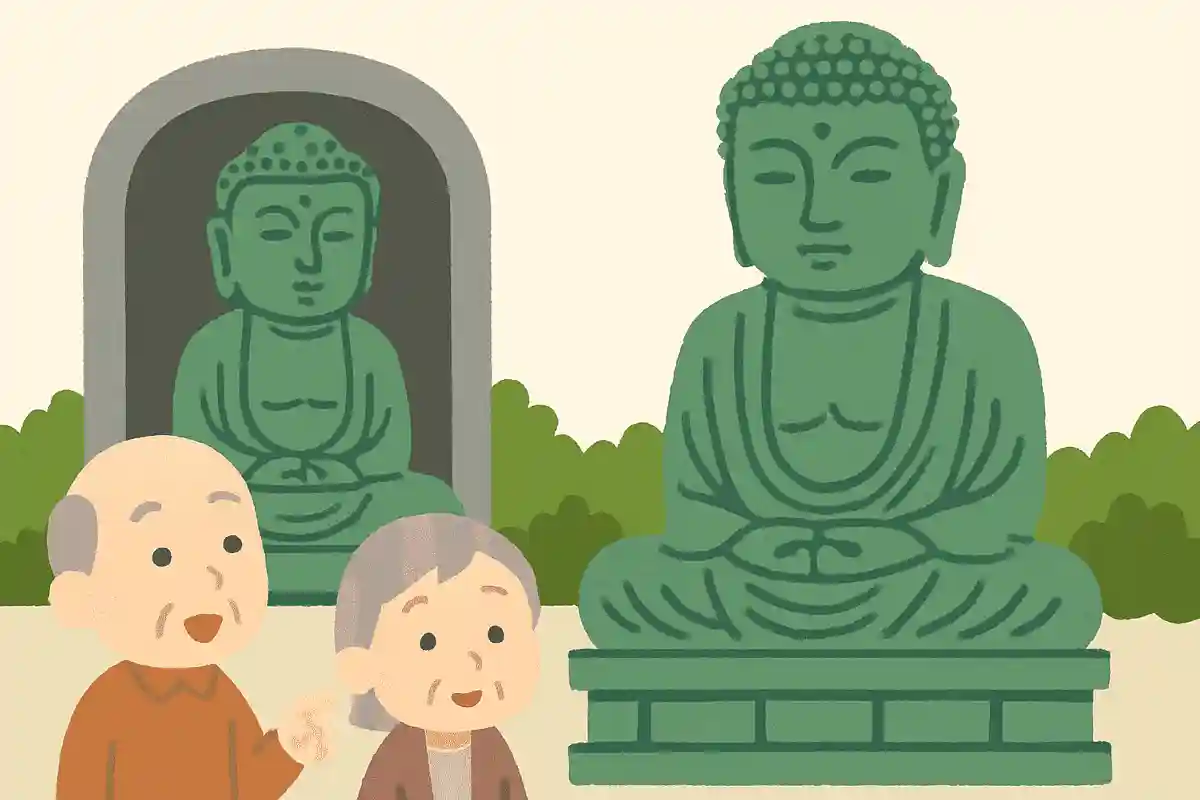
- Great Buddha of Kamakura
- Great Buddha of Nara
- Both are the same.
See the answer
Great Buddha of Nara
The Great Buddha of Nara is 18.03 meters tall, and the Great Buddha of Kamakura is about 11.39 meters tall.
How much does the Great Buddha of Kamakura weigh?
- about 93 tons
- approximately 121 tons
- about 193 tons
See the answer
approximately 121 tons
The Great Buddha weighs about 121 tons. By the way, the Buddha’s ears are as long as about 1.8 meters.
How much is the admission fee to view the interior of the Great Buddha of Kamakura?
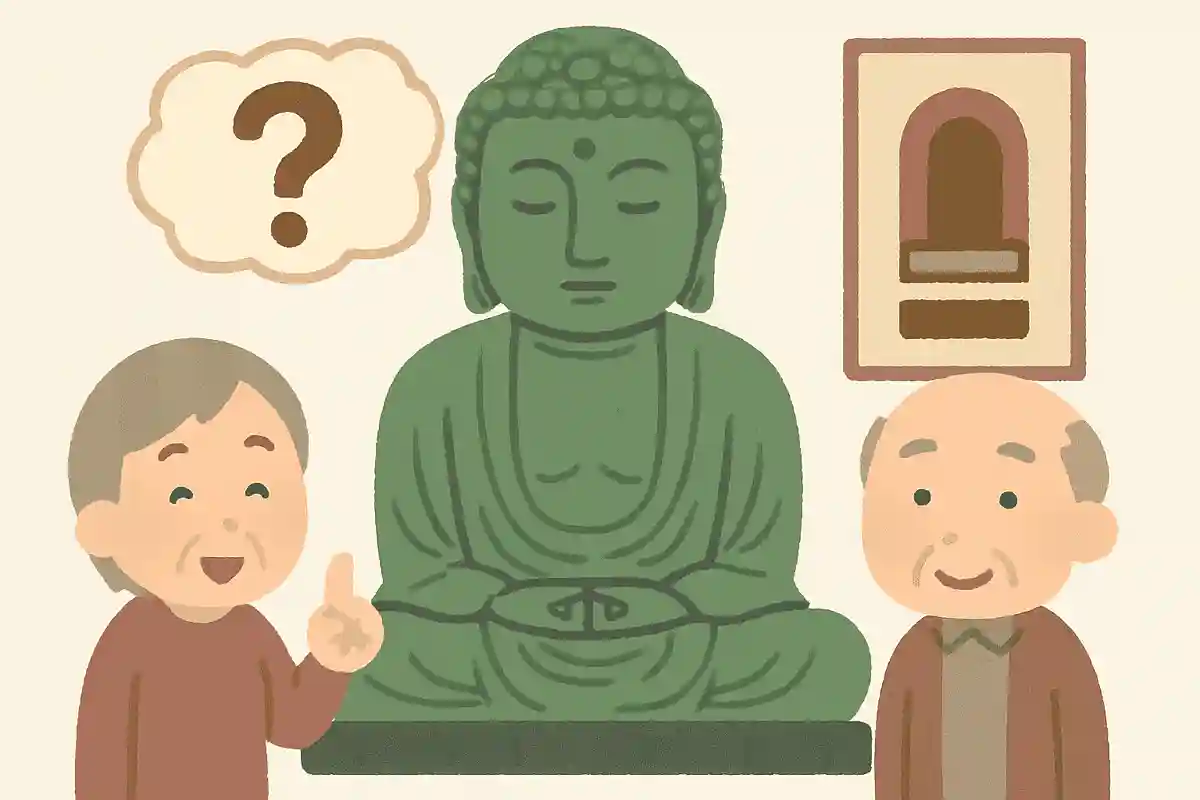
- 10 yen
- 30 yen
- 50 yen
See the answer
50 yen
An additional 50 yen is required to enter the interior, separate from the admission fee for the Great Buddha of Kamakura. For reference, the Great Buddha admission fee is 300 yen for junior high school students and older, 150 yen for elementary school students, and free for preschool children.