

[For Seniors] Brain Training! Recall Quiz Collection!

“What was that again…?” “I can picture it, but I can’t remember the name…” That kind of thing happens all the time in daily life, right?
I’m sure it’s something people experience regardless of age.
In this article, we’ll introduce recall quizzes for older adults!
It might turn into one of those fuzzy quizzes where you know it but can’t quite say it—like Showa-era pop songs, sightseeing spots, or snack names.
Feel free to use them as recreation activities in day-service and other care facilities.
That refreshing feeling when you finally remember—“Ahh, that’s it!”—is unbeatable, isn’t it?
Enjoy thinking together and give your brain a good workout!
- [For Seniors] Recommended for Brain Training! Nostalgic Showa-Era Quiz
- [For Seniors] Nostalgic! Showa-Era Quizzes Recommended for Reminiscence Therapy
- For seniors: Fun, crowd-pleasing word association game ideas
- [For Seniors] Fun and Educational True-or-False Quiz
- [For Seniors] Guaranteed to Liven Things Up! A Collection of Brain Training Activities That Will Spark Laughter
- [For Seniors] Fun Riddles That Stimulate the Brain
- [For Seniors] Fun! Let’s Get Excited with Japan’s Number One Quiz
- [For Seniors] Lively Wordplay Game: Fun Recreation for Elderly Care
- [For Seniors] Fun and Informative! Health Trivia Quiz
- [For Seniors] Fun Brain Training! A Collection of Tricky Quizzes You’ll Definitely Get Stumped By
- [For Seniors] Fun and Lively! Recommended Quiz Questions
- [For Seniors] Fun Brain Training! Lively Whiteboard Activities
- [For Seniors] Today’s recommended quiz. Daily brain-training quiz!
[For Seniors] Brain Training! Recall Quiz Collection! (61–70)
From a TV drama in 1958 (Showa 33), the hero ○○ Kamen appeared. This hero, who was popular among children at the time, is which ‘-Kamen’?
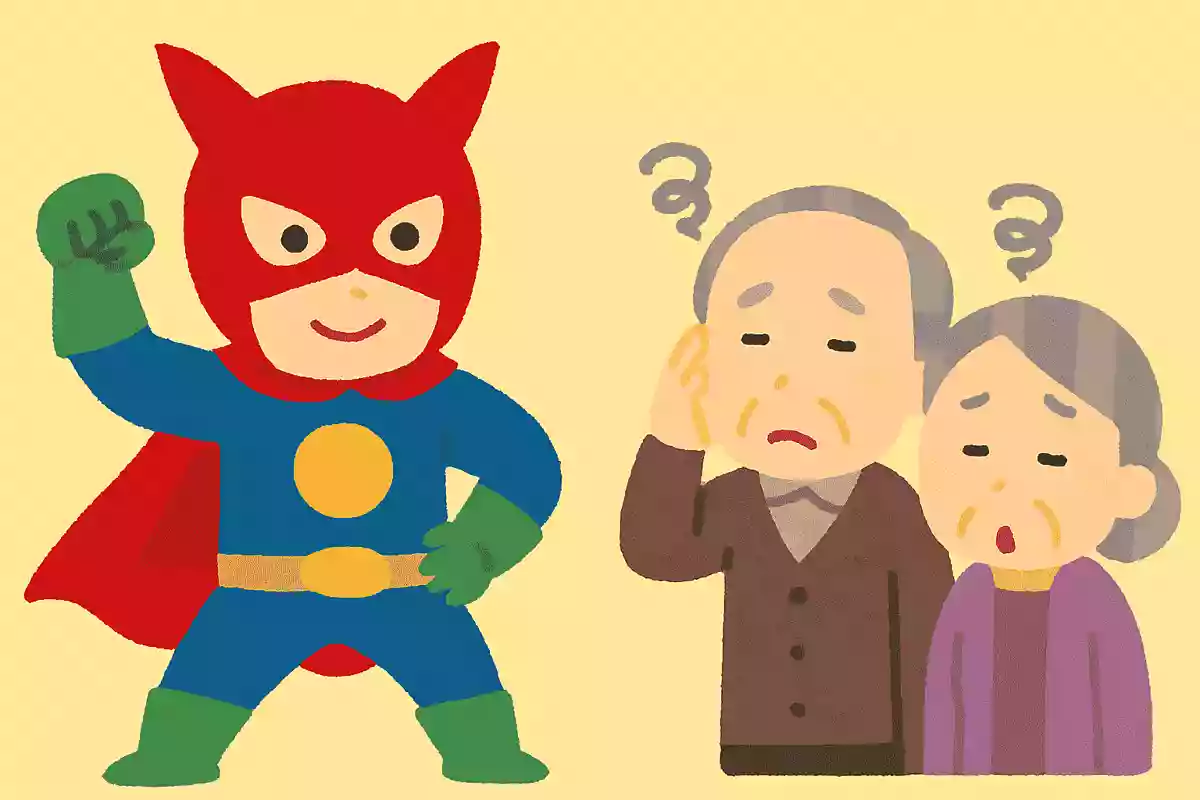
Speaking of heroes born from television dramas in 1958 (Showa 33), it has to be Gekko Kamen, who enjoyed overwhelming popularity among children at the time! Known as the pioneer of Japanese hero shows, its style—combining period-drama elements with detective storytelling—is said to have had a major influence on the hero programs that followed.
Gekko Kamen is a champion of justice who gallantly appears on a white motorcycle and fights evil organizations alongside the police.
It’s said that, inspired by this image, people later began calling police motorcycle units “Gekko Kamen.”

Around 1958 (Showa 33), which masked hero was popular among children at the time?
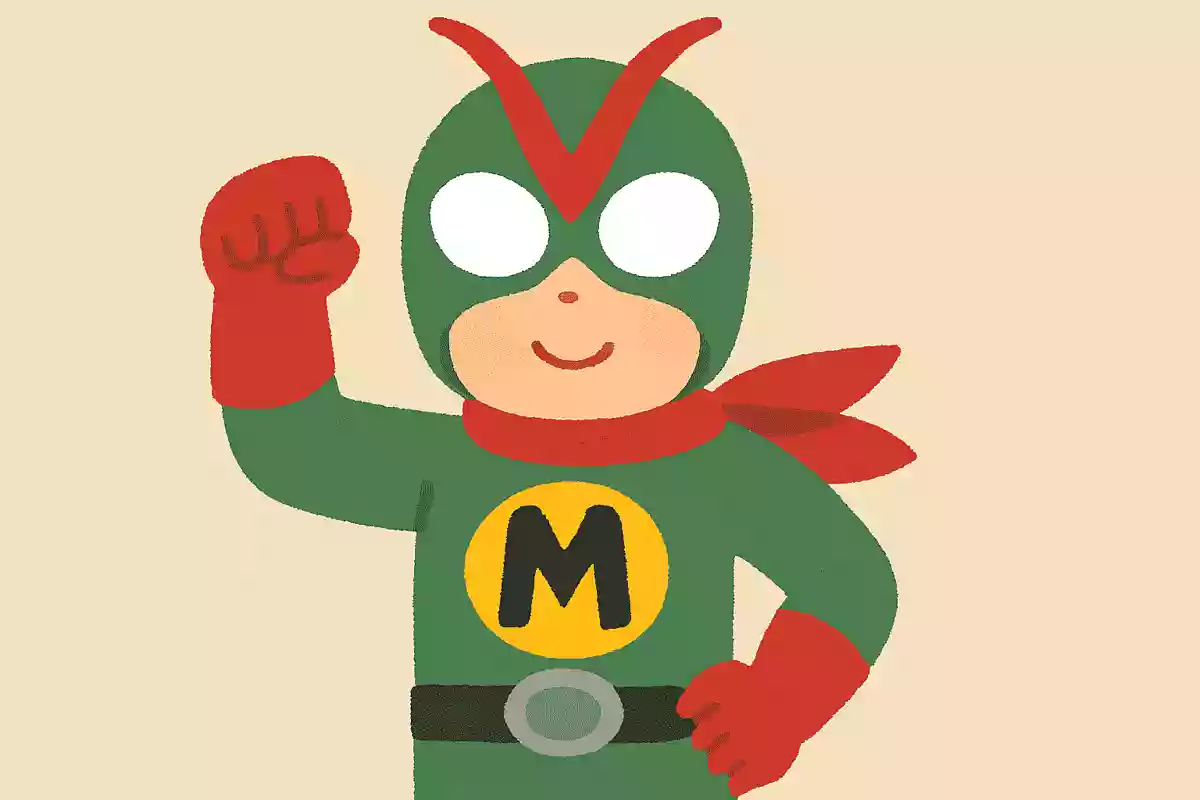
Who was the hero who became a hit around 1958 (Showa 33) and was popular among children at the time? As the progenitor of Japanese hero TV shows, this work had a major influence on later hero programs, so some people might recall it if they trace their memories of heroes.
The hint is a masked hero—someone whose identity is unknown, yet known to everyone.
The answer is Gekko Kamen.
His distinctive look—white turban and mask with black sunglasses—and the way he rode a motorcycle to save people were striking.
Even when facing villains, he wouldn’t inflict excessive harm; he was a hero with a strong conviction.

In 1960, a revolution occurred in home televisions. What happened to the TV screen?
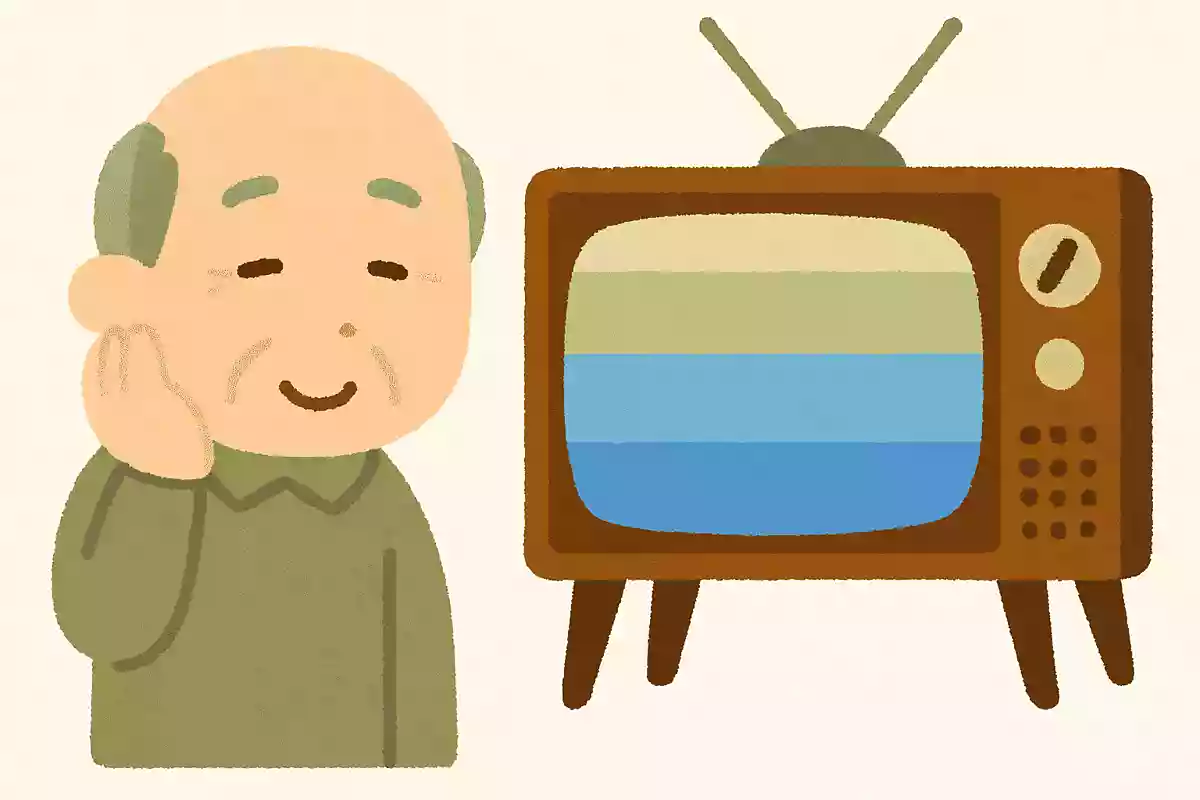
A revolutionary event that happened to home television in 1960 (Showa 35) was the start of color broadcasting! NHK began broadcasting on February 1, 1953 (Showa 28), and commercial stations followed on August 28 of the same year.
After the introduction of remote-control TVs and the downsizing of cathode-ray tubes, color broadcasts finally began in 1960.
At the time, color TVs cost dozens of times a new university graduate’s starting salary.
They were far beyond the reach of ordinary people, but as technology advanced, prices became more affordable.
Looking at photos of old TVs or footage of programs from those days might bring back memories of your youth.
At the Tokyo Olympics held in 1964, a rakugo storyteller ran as a torchbearer. Who was that rakugo performer?
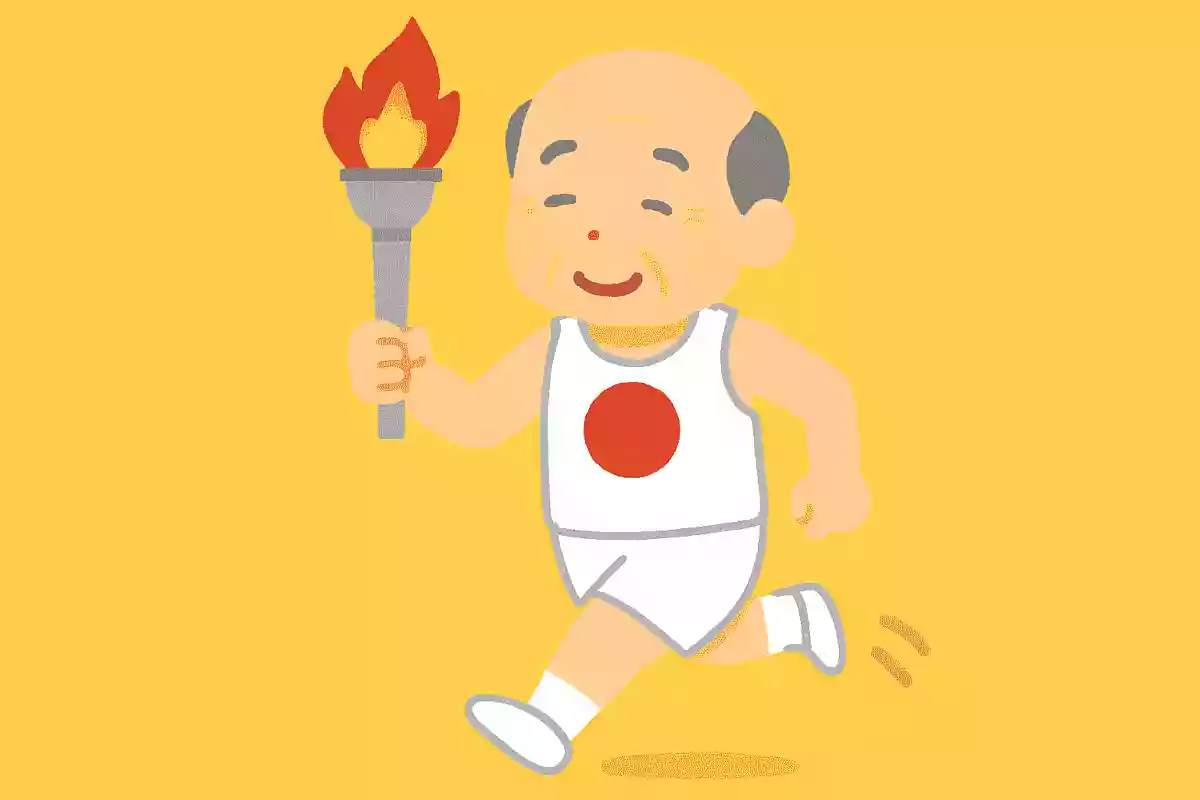
One highlight of the Olympic torch relay is that a wide variety of people run, including athletes and celebrities.
At the Tokyo Olympics held in 1964 (Showa 39), a certain rakugo storyteller ran as a torchbearer.
Who was it? Here’s a hint: a long-beloved rakugo performer you often see on TV—someone who might not fit the strict image of representing the nation.
The answer is “Sanyutei Koyuza.” At the time, he didn’t run as a rakugo performer; he was selected as a torchbearer as a high school table tennis player.
In 1969, a certain American rocket made the first human landing on the moon. What was the name of that rocket?
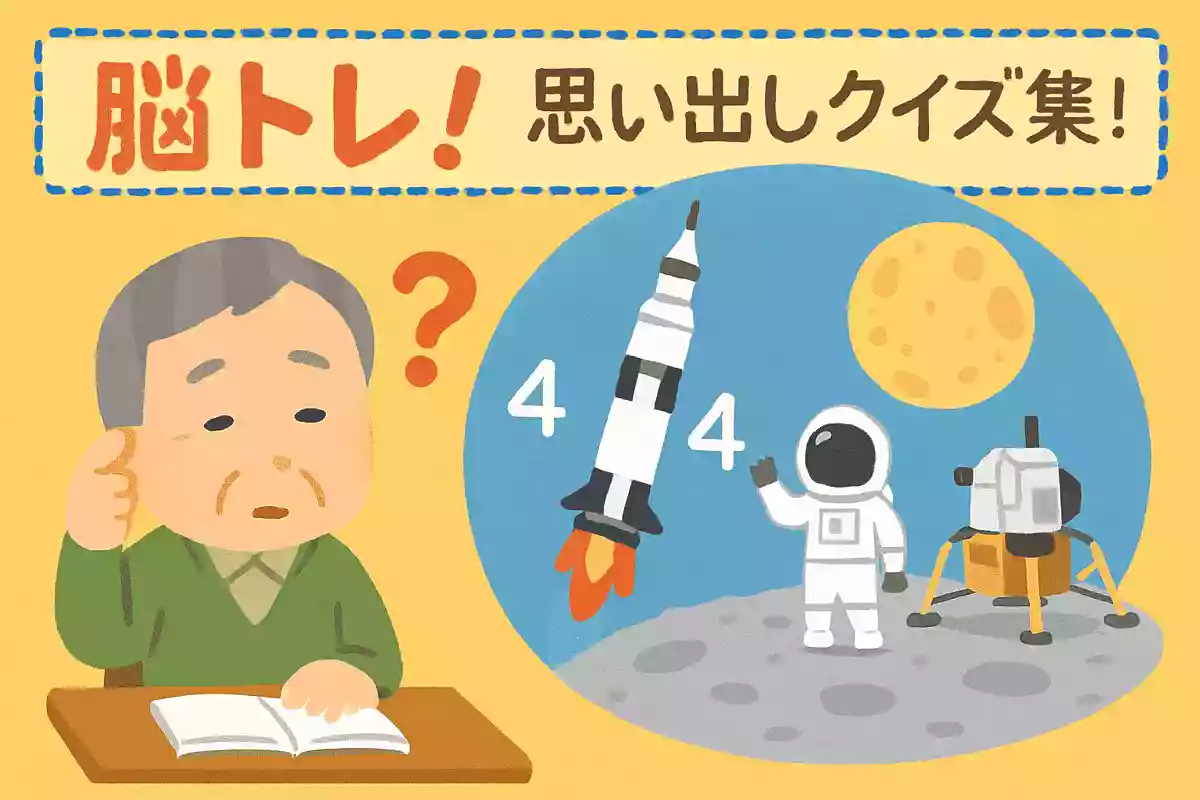
Speaking of the American rocket that achieved humanity’s first successful Moon landing in 1969, it has to be Apollo 11! Seeing the portraits of the three crew members who launched from Kennedy Space Center, or the photo of Commander Neil Armstrong’s first human footprint on the Moon, might bring back memories of the excitement of that time.
Using a quiz as a springboard, why not reminisce about that historic achievement that inspired so many dreams and enjoy sharing stories of the past?
What was the incident that occurred in Karuizawa, Nagano Prefecture in 1972 involving the United Red Army?
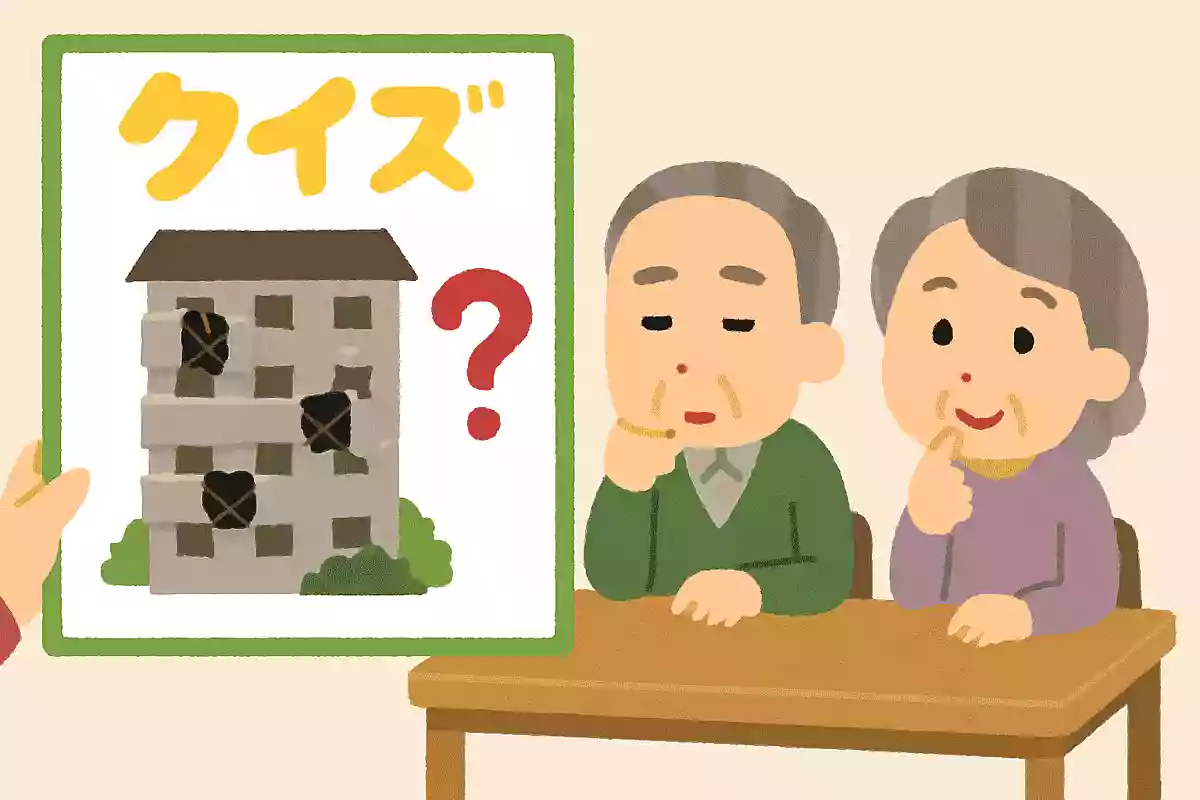
Major historical incidents are events we want to remember along with the lead-up and what actually happened.
Among such major incidents, what was the incident that occurred in Karuizawa, Nagano Prefecture, in 1972 involving the United Red Army? The United Red Army engaged in various activities, but only a few of them are known by specific incident names—this might be a hint.
The answer is the Asama-Sanso Incident.
More than the sequence and details of the case itself, it became notable for the “Cup Noodles” seen in the live broadcast and the “wrecking ball” used during the assault.
In 1974, when baseball superstar Shigeo Nagashima retired, what were the words that followed “Our Yomiuri Giants are”?
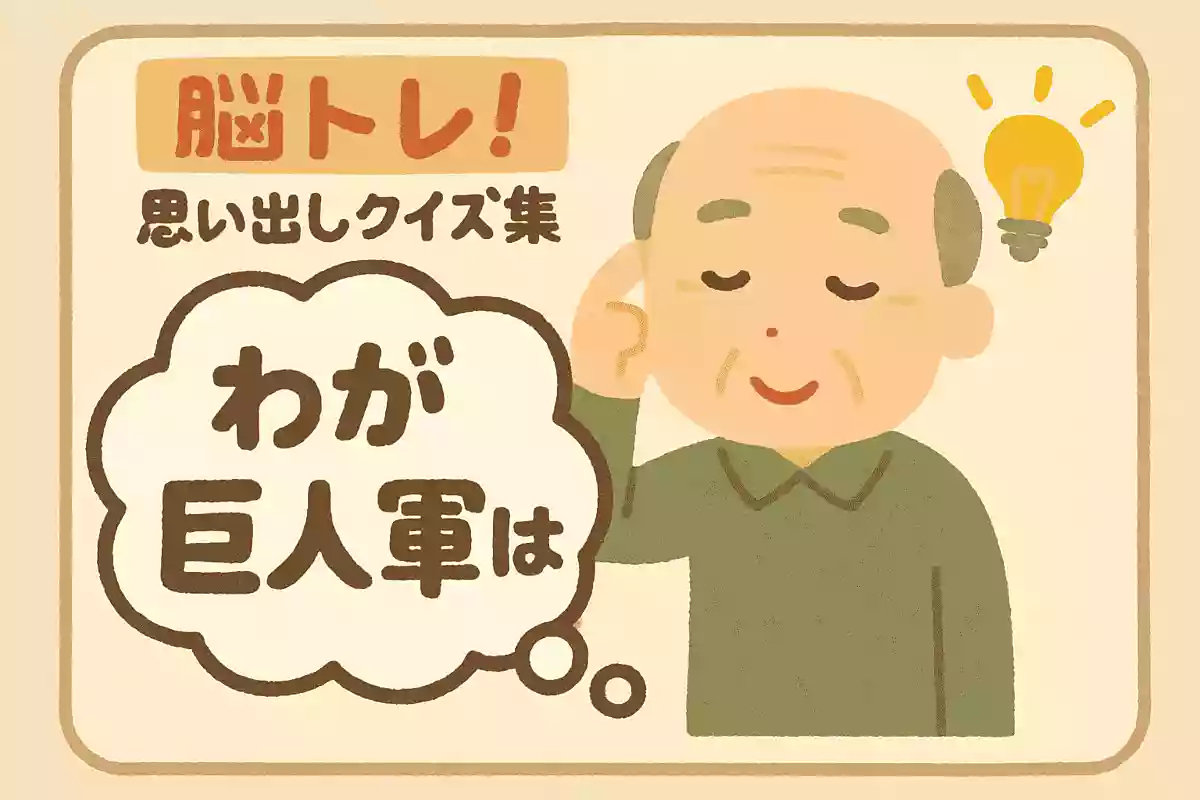
Shigeo Nagashima, a symbol of Japanese baseball, excelled not only as a player but also as a manager.
In the speech he gave when he retired as a player in 1974 (Showa 49), what were the words that followed “Our Yomiuri Giants are”? It’s a famous quote that remains in baseball history and is often cited in other fields, expressing the hope that the place will continue long after one leaves.
The answer is “eternal and immortal,” words that convey Nagashima’s deep love for his team and for baseball.