

[For Seniors] Brain Training! Recall Quiz Collection!


“What was that again…?” “I can picture it, but I can’t remember the name…” That kind of thing happens all the time in daily life, right?
I’m sure it’s something people experience regardless of age.
In this article, we’ll introduce recall quizzes for older adults!
It might turn into one of those fuzzy quizzes where you know it but can’t quite say it—like Showa-era pop songs, sightseeing spots, or snack names.
Feel free to use them as recreation activities in day-service and other care facilities.
That refreshing feeling when you finally remember—“Ahh, that’s it!”—is unbeatable, isn’t it?
Enjoy thinking together and give your brain a good workout!
- [For Seniors] Recommended for Brain Training! Nostalgic Showa-Era Quiz
- [For Seniors] Nostalgic! Showa-Era Quizzes Recommended for Reminiscence Therapy
- For seniors: Fun, crowd-pleasing word association game ideas
- [For Seniors] Fun and Educational True-or-False Quiz
- [For Seniors] Guaranteed to Liven Things Up! A Collection of Brain Training Activities That Will Spark Laughter
- [For Seniors] Fun Riddles That Stimulate the Brain
- [For Seniors] Fun! Let’s Get Excited with Japan’s Number One Quiz
- [For Seniors] Lively Wordplay Game: Fun Recreation for Elderly Care
- [For Seniors] Fun and Informative! Health Trivia Quiz
- [For Seniors] Fun Brain Training! A Collection of Tricky Quizzes You’ll Definitely Get Stumped By
- [For Seniors] Fun and Lively! Recommended Quiz Questions
- [For Seniors] Fun Brain Training! Lively Whiteboard Activities
- [For Seniors] Today’s recommended quiz. Daily brain-training quiz!
[For Seniors] Brain Training! Memory Recall Quiz Collection! (41–50)
“Jūgoya” (the night of the full moon in mid-autumn) is a custom that came from China, but where did “Jūsanya” (the night of the thirteenth moon) originate?
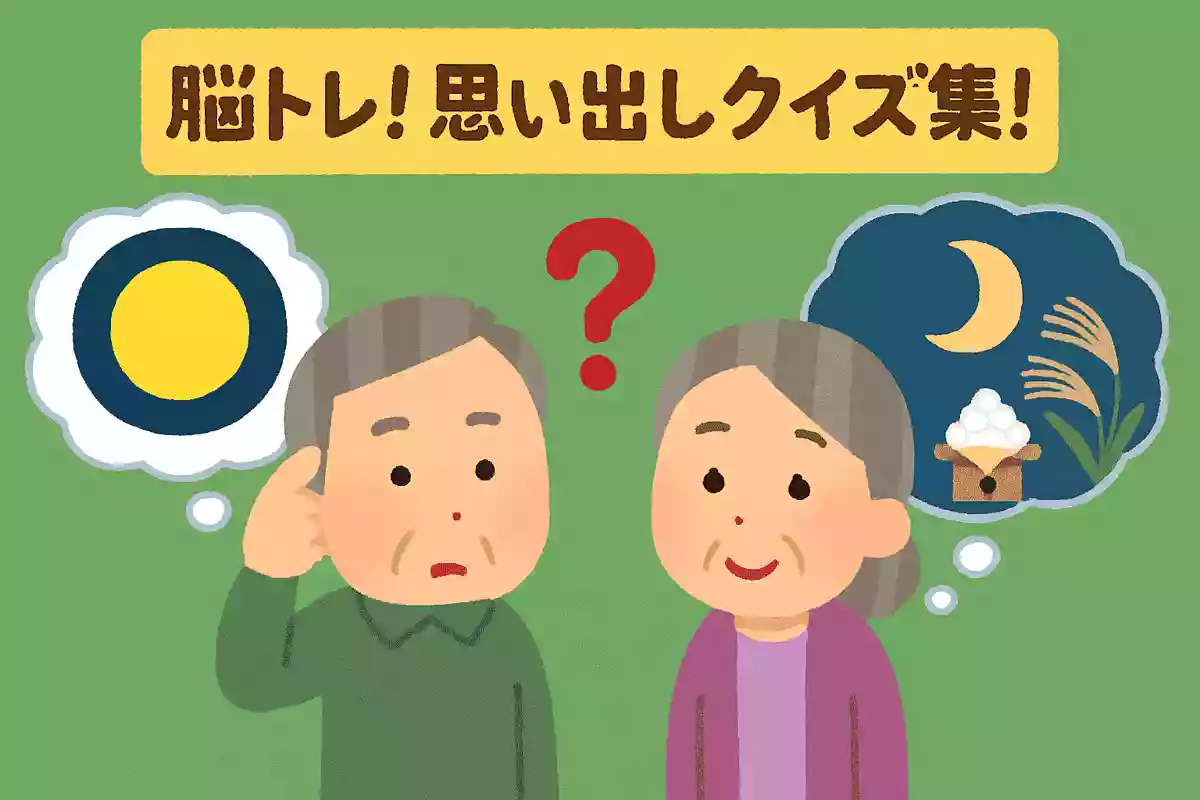
Many people enjoy the full moon viewing (Jugoya) in autumn, but not many know about Jusan’ya.
To begin with, Jugoya is a tradition that came from China and involves gazing at the moon on the 15th day of the 8th month of the lunar calendar.
Jusan’ya, on the other hand, is about viewing the moon on the 13th day of the 9th lunar month.
While the two are similar, they actually originated in different countries.
Here’s a question: “In which country did Jusan’ya originate?” The correct answer is Japan.
Incidentally, it is said to have been devised by Emperor Daigo.

What is the nickname ending with “-chan” for the inflatable vinyl dolls known by names like “Tree-climbing Winky” and “Kuronbo Bura-chan”?
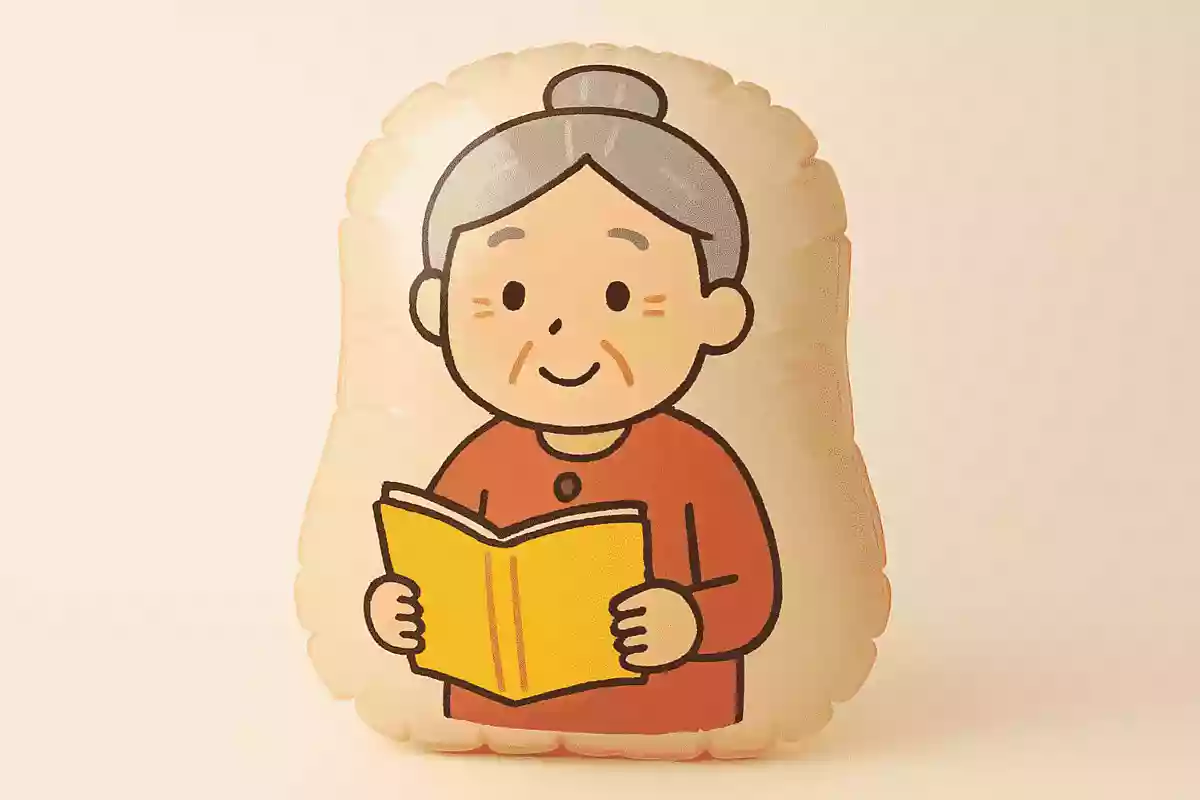
The inflatable vinyl doll that was sold under names like “Tree-Climbing Winky” and “Little Blacky Bura-chan” is widely remembered as rarely being called by its product name.
Popular across generations, this doll—shaped to cling to a tree, as the names suggest, and often worn wrapped around the arm—was affectionately known as “Dakko-chan” (Hug-chan).
Perhaps due to the lasting impact of this nickname, the 21st-century revival adopted “Dakko-chan” as its official product name.

From the late 1950s to the 1960s in the Showa era, a certain indoor sport became extremely popular. What sport was it?

The sport in question—many older people might say they used to play it often, especially with the recent boom—what could it be? Here are some hints: it’s a sport that uses a heavy ball, and you throw that ball toward a specific target.
The answer is bowling! At the time, there were over 3,500 bowling alleys nationwide, and many people owned their own shoes and balls.
Numerous star players emerged as well, such as Kayoko Suda and Ritsuko Nakayama.

What is considered the proper way to extinguish candles at graves or on household Buddhist altars?
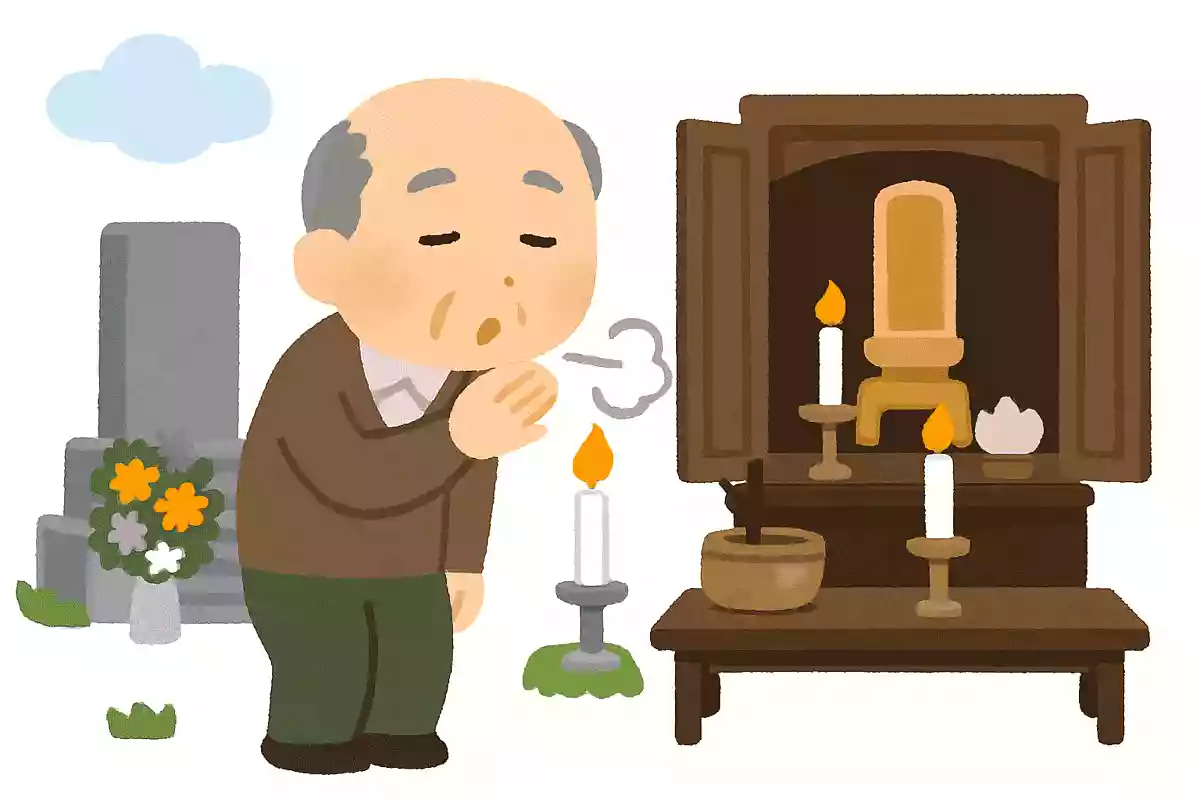
During Obon, when we welcome our ancestors, it’s common to light candles and incense at graves and household altars.
So how is it considered proper to extinguish those candles offered at graves or altars? The answer is “fan them out with your hand.” It’s considered inappropriate to blow on the sacred flame with one’s breath, which is regarded as impure.
Fanning by hand is the standard for balancing etiquette and convenience, but using a tool is also acceptable.
Since Obon is a time when we more often face graves and household altars, why not take this opportunity to reflect on the manners we should avoid?
What is the plant that is said to be essential for Obon and whose shape resembles a Bon lantern?
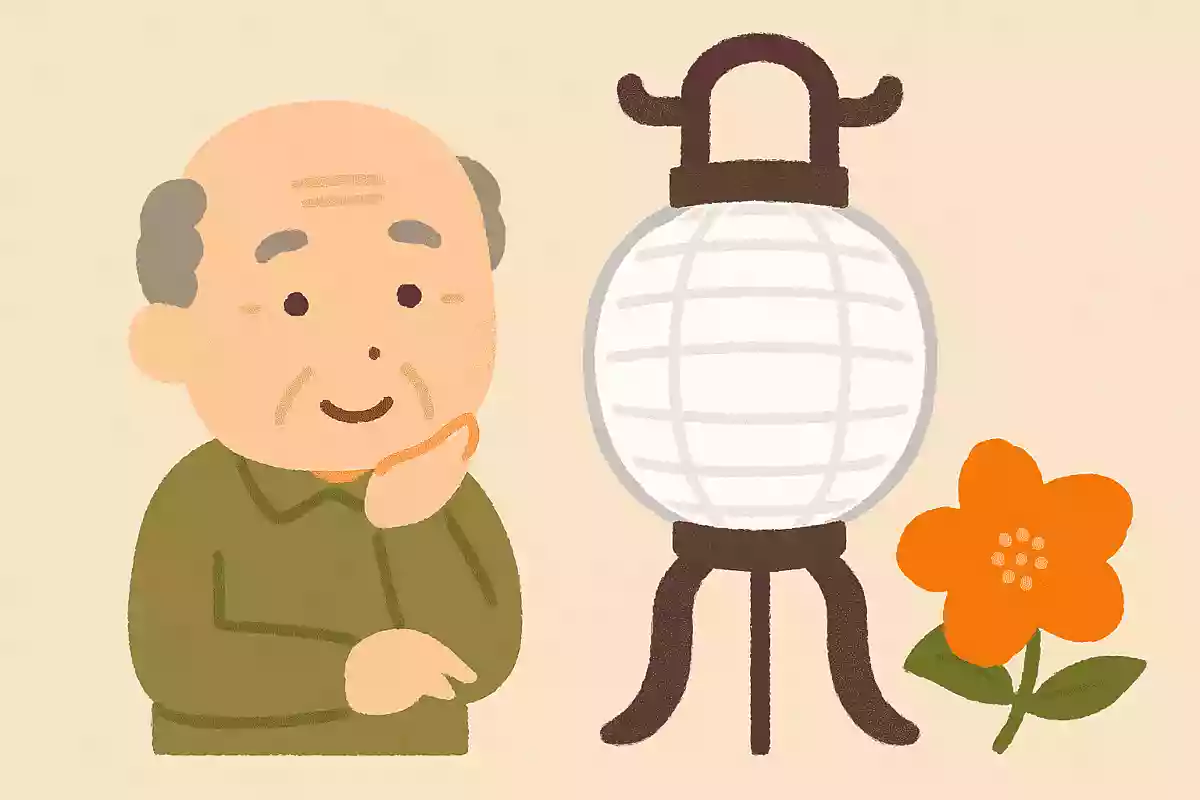
What is the plant said to be inseparable from Obon and whose shape resembles a Bon lantern? The answer is “hōzuki” (Chinese lantern plant).
Its distinctive look—fruit encased in a soft calyx—is quite striking.
The red or orange color of the calyx and fruit also evokes the light of a lantern, and their gentle hues can even feel a bit eerie.
Beyond being a symbol of Obon, it is also associated with traditional medicinal uses, and its unique colors and shape have long imparted a sense of mystery in historical accounts.
The shelf used to display ancestral tablets and offerings during Obon is called a “bon-dana.” What is its other name?
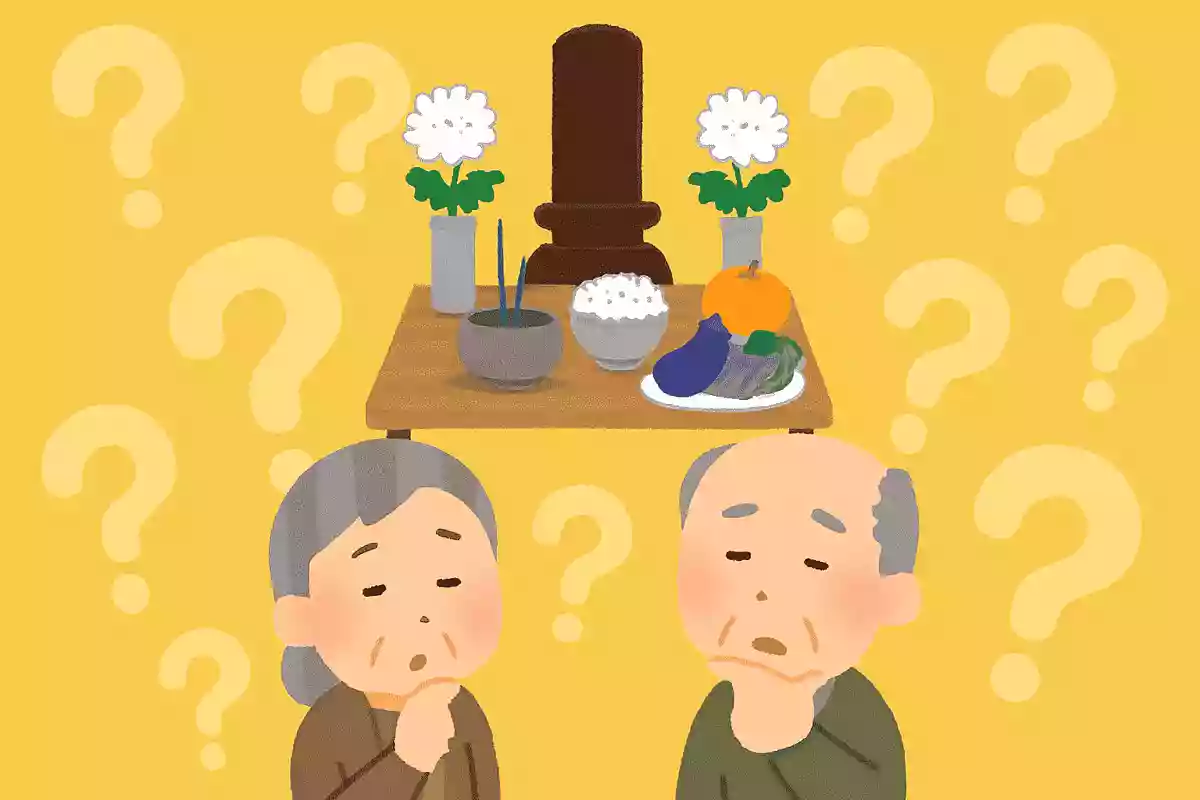
Obon is a time when we welcome and honor our ancestors, and one of its distinctive features is the various decorations, beginning with the offerings.
The shelf used to display these indispensable Obon offerings is called a “bon-dana,” but what else is it called? The answer is “shōryō-dana.” Since many Obon-related decorations and events include the word “shōryō” (spirit), this name is easy to picture.
From this, you can also sense that ancestors are referred to as “shōryō,” which may deepen the feeling that they are sacred.
What is the reason monks strike a wooden fish (mokugyo) when chanting sutras and the like?
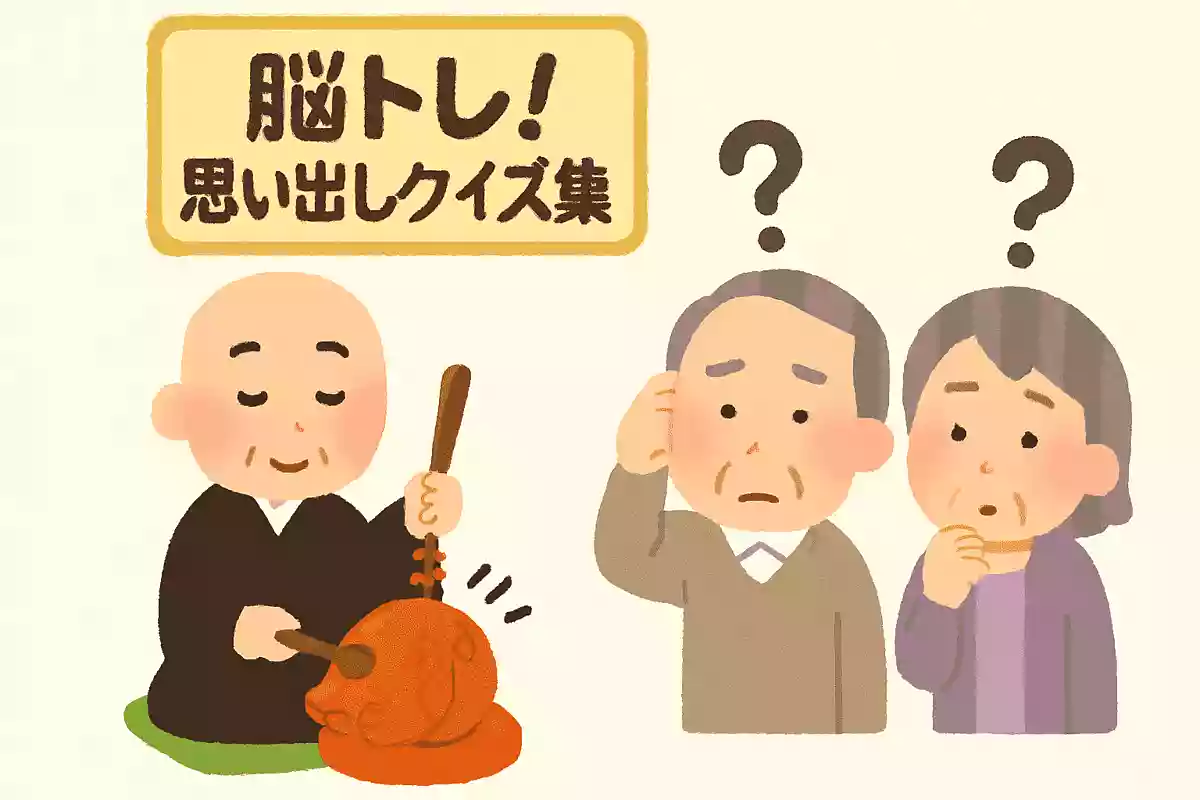
The wooden fish drum makes a pleasant pok-pok sound, but what is the original meaning behind monks striking it while chanting sutras? Surprisingly, the answer is “to keep the monks from getting drowsy.” In the past, many monks and trainees would nod off during long recitations, so they used a wooden fish—modeled after a creature that is always keeping its eyes open—to convey the idea: “Keep your eyes open like a fish and devote yourself to practice.” It’s also said that the sound of the wooden fish helps dispel worldly desires.
Next time you have a chance to hear it, try listening with that in mind!
