

[For Seniors] Brain Training! Recall Quiz Collection!

“What was that again…?” “I can picture it, but I can’t remember the name…” That kind of thing happens all the time in daily life, right?
I’m sure it’s something people experience regardless of age.
In this article, we’ll introduce recall quizzes for older adults!
It might turn into one of those fuzzy quizzes where you know it but can’t quite say it—like Showa-era pop songs, sightseeing spots, or snack names.
Feel free to use them as recreation activities in day-service and other care facilities.
That refreshing feeling when you finally remember—“Ahh, that’s it!”—is unbeatable, isn’t it?
Enjoy thinking together and give your brain a good workout!
- [For Seniors] Recommended for Brain Training! Nostalgic Showa-Era Quiz
- [For Seniors] Nostalgic! Showa-Era Quizzes Recommended for Reminiscence Therapy
- For seniors: Fun, crowd-pleasing word association game ideas
- [For Seniors] Fun and Educational True-or-False Quiz
- [For Seniors] Guaranteed to Liven Things Up! A Collection of Brain Training Activities That Will Spark Laughter
- [For Seniors] Fun Riddles That Stimulate the Brain
- [For Seniors] Fun! Let’s Get Excited with Japan’s Number One Quiz
- [For Seniors] Lively Wordplay Game: Fun Recreation for Elderly Care
- [For Seniors] Fun and Informative! Health Trivia Quiz
- [For Seniors] Fun Brain Training! A Collection of Tricky Quizzes You’ll Definitely Get Stumped By
- [For Seniors] Fun and Lively! Recommended Quiz Questions
- [For Seniors] Fun Brain Training! Lively Whiteboard Activities
- [For Seniors] Today’s recommended quiz. Daily brain-training quiz!
[For Seniors] Brain Training! Memory Recall Quiz Collection! (21–30)
What new sports were added to the 2024 Paris Olympics?
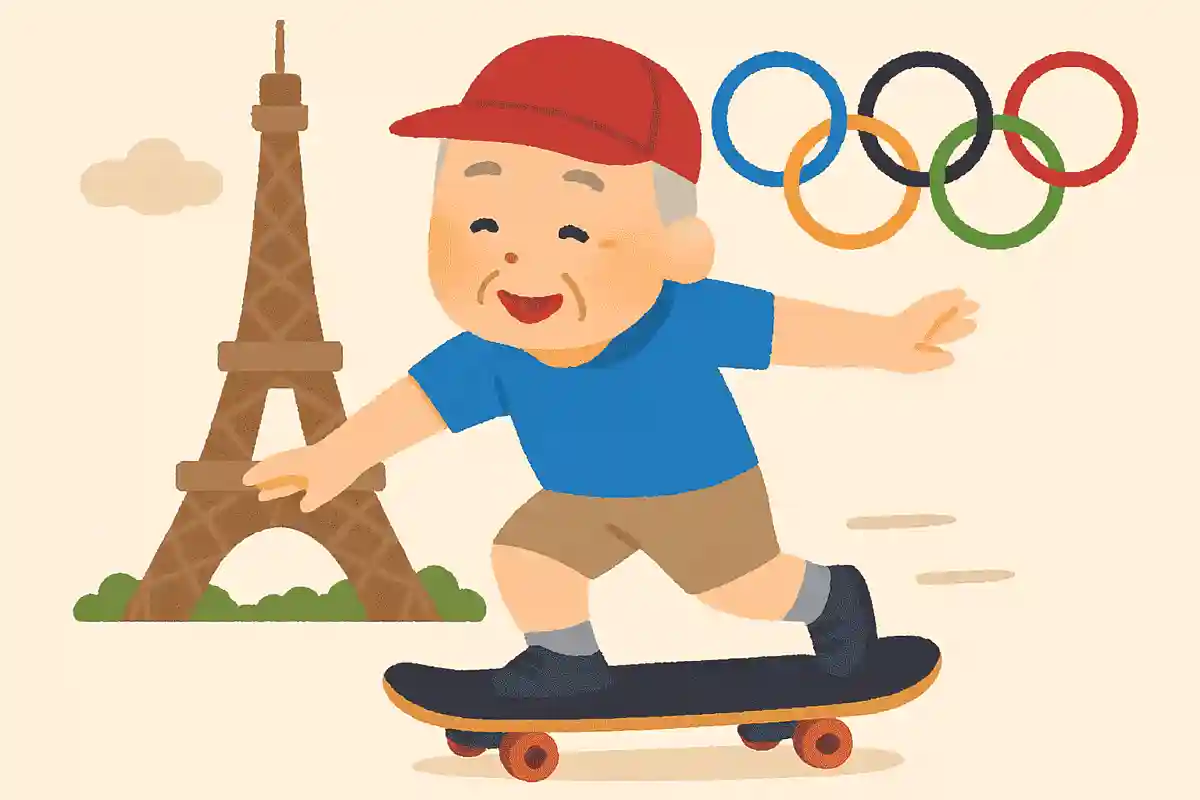
Paris is a tourist city known for famous historic landmarks such as the Eiffel Tower and the Louvre Museum, and is also called the “City of Flowers.” The 2024 Olympics marked the third time the Games were held in Paris.
Many people were likely excited to see how art and sports would merge.
A new event added to the Paris Olympics was breaking, a dance sport.
In breaking, Japan’s Ami Yuasa competed and won a gold medal.

What was the event called in which artworks on sports themes competed for rankings, which once used to be an Olympic discipline?
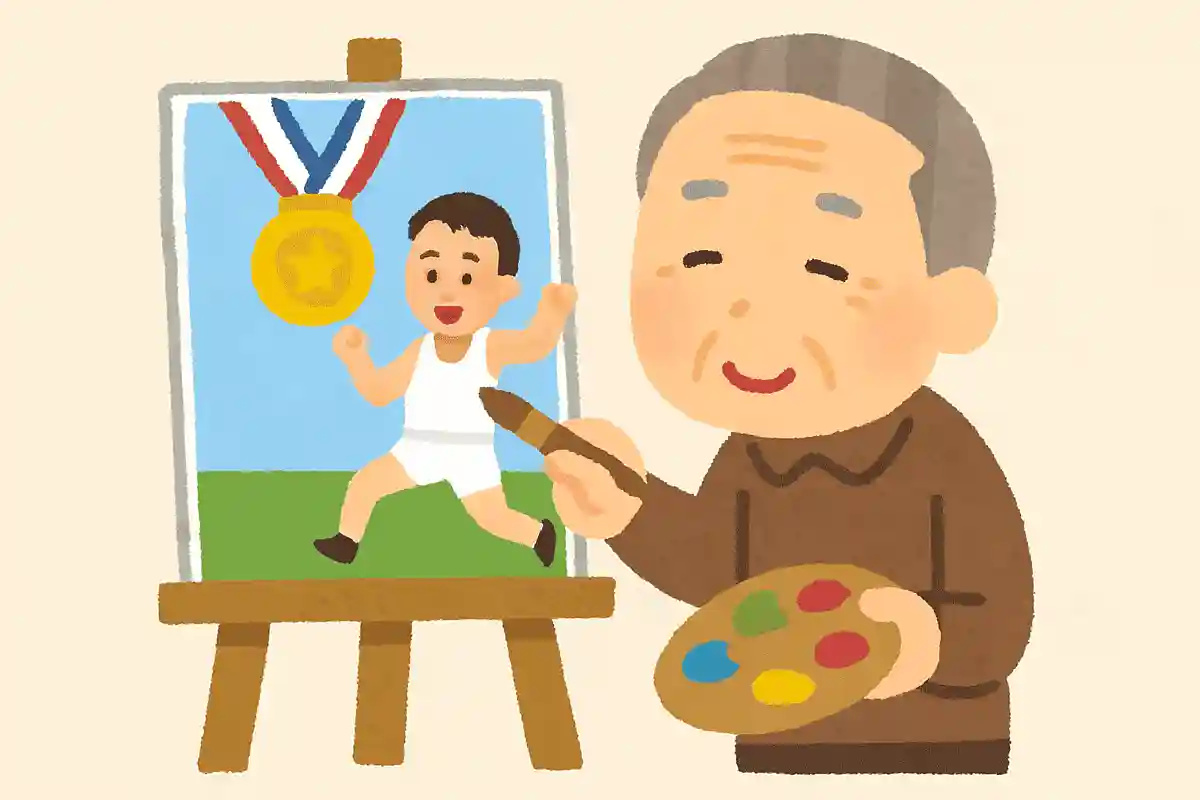
Although it is no longer an official event because preserving the quality of artworks and establishing objective scoring criteria are difficult, there used to be competitions in past modern Olympics in which artworks were ranked.
They were called “art competitions.” Japanese participants also took part in the Los Angeles and Berlin Olympics.
Starting with the Helsinki Olympics, instead of a competition, art exhibitions have been included as part of the cultural program, as stipulated by the Olympic Charter.
What do you call an athlete who has competed in the Olympics?
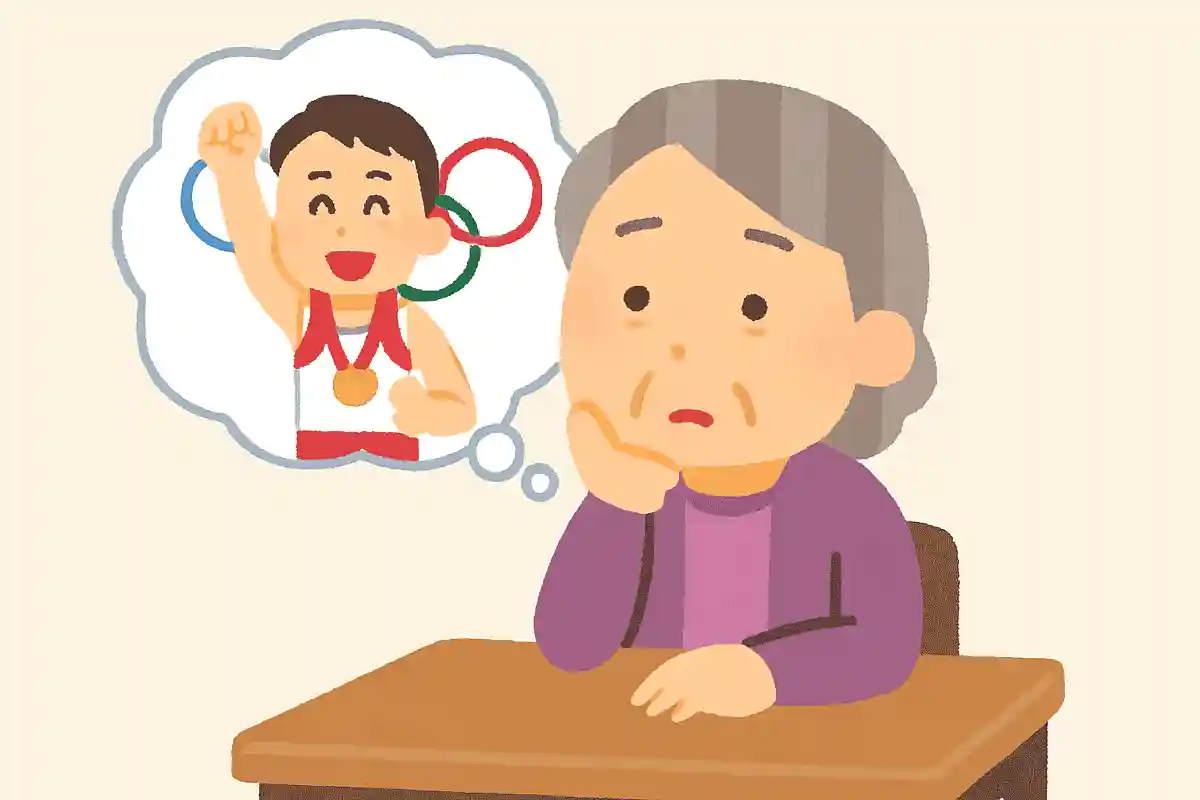
Athletes who have competed in the Olympics are called “Olympians.” The word “Olympian” originally referred to residents of Olympia, the Greek city known as the site of the ancient Olympic Games, but today it is commonly used to refer to Olympic athletes.
The term “Olympian” is also said to evoke the gods of Greek mythology and carry the sense of being “majestic and imposing.” That meaning perfectly overlaps with the image of Olympians who take on the challenge of competition while carrying their nation on their shoulders.
In what year of the Showa era was the Tokyo Olympics, the first held in Asia, held?
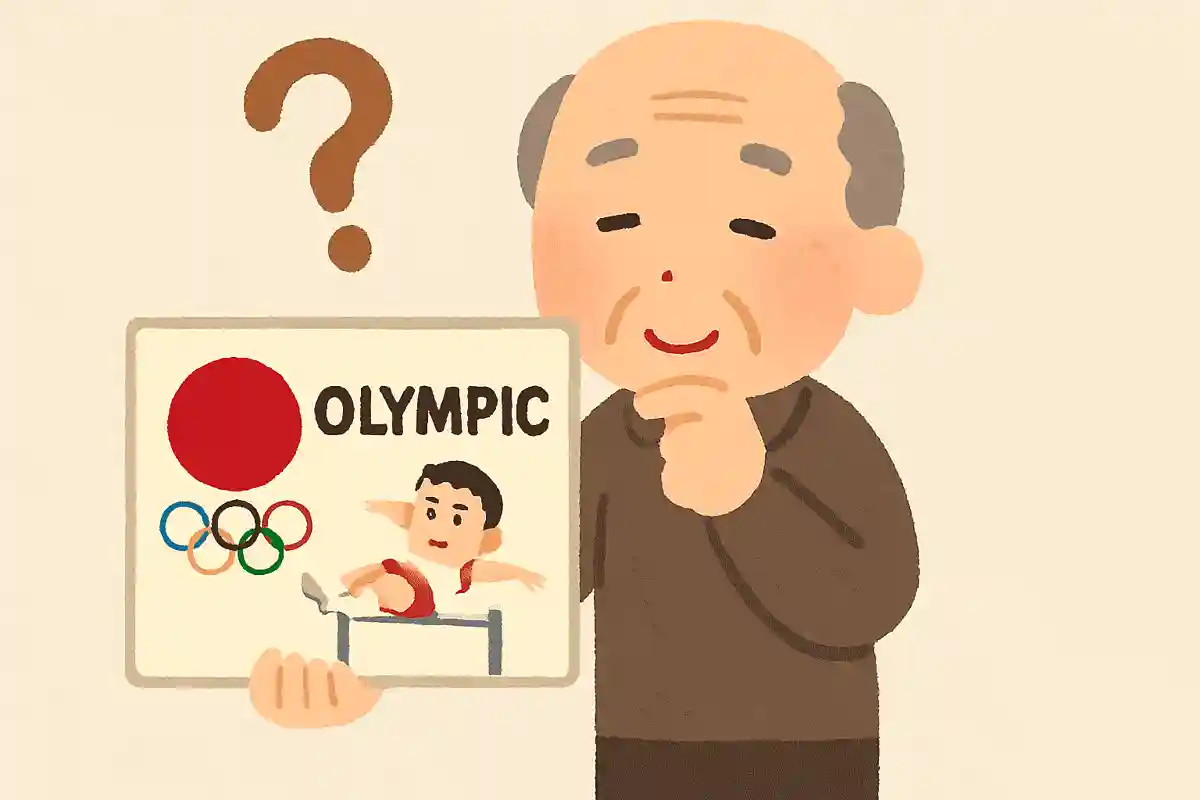
The Tokyo Olympics, held in 1964 (Showa 39), saw Japanese athletes achieve great success.
It was also the first Olympics ever held in Asia.
Yoshinori Sakai, who was a track and field athlete at the time, served as the final torchbearer.
Although Sakai had been considered a candidate for Japan’s Olympic team, he was ultimately not selected.
He was chosen as the final torchbearer because he was born on August 6, 1945, the day the atomic bomb was dropped on Hiroshima.
His role embodied a tribute to the victims of the atomic bombing and a wish for world peace.

October 10 is Public Bathhouse Day. What is something that is often painted on the walls of sento bathhouses?
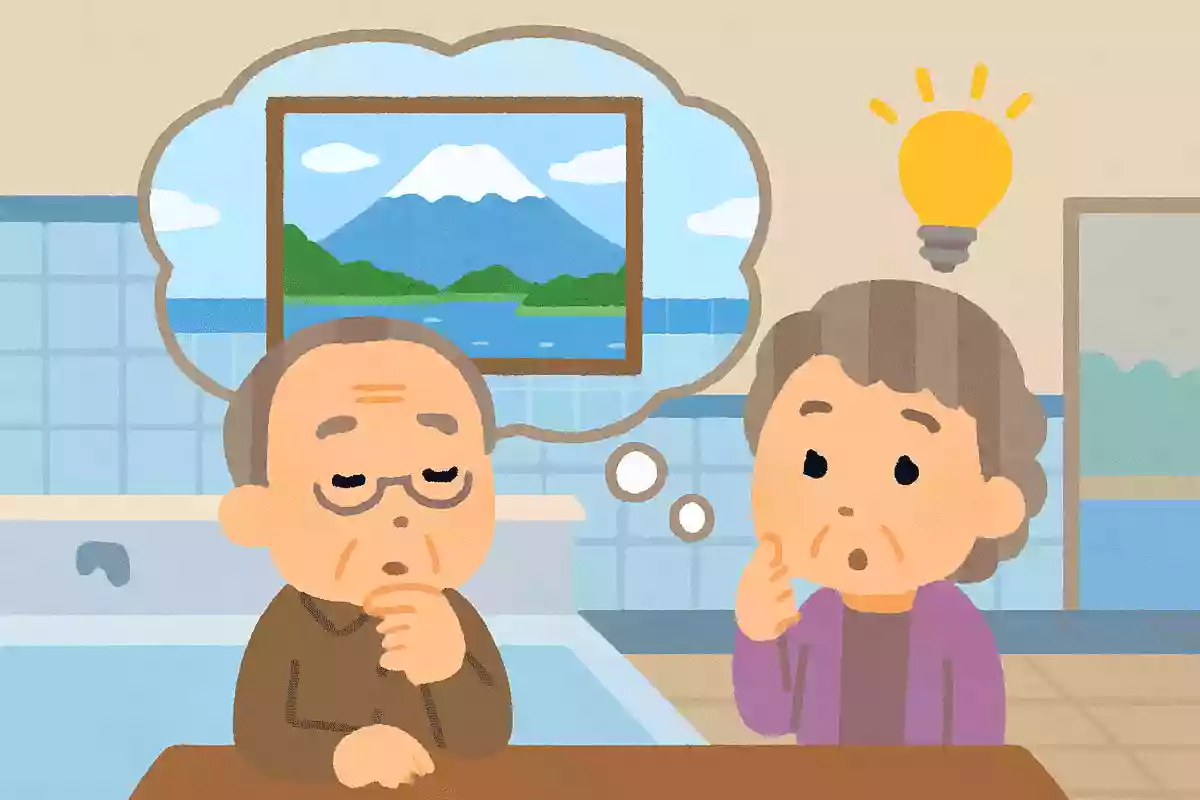
October 10 is Sento Day.
In recent years, more and more “super sento” have appeared, offering saunas, stone spas, and dining areas.
But traditional sento have also become popular among young people as “Showa retro.” Here’s a question about sento: What is something that is often painted on the walls? The answer is Mount Fuji.
It’s said to be painted because it’s considered auspicious.
That said, this is more common around the Kanto region and not as prevalent in western Japan.
What does the “punch” in a punch perm refer to?
This may seem sudden, but what exactly does the “punch” in “punch perm” mean? The answer is: it’s the name of a magazine called Heibon Punch.
The punch perm, a short hairstyle with tight, firm curls, was devised by a barber in Kitakyushu in the 1970s.
A barber-supply company in the Kansai region then named it “punch perm,” borrowing the name from the hugely popular magazine Heibon Punch at the time.
With its intimidating look and the fact that it doesn’t lose shape easily even in a fight, the punch perm became especially popular among tough-looking types.
Fittingly, its origin story packs a punch too!

What is the term for the 57-month-long economic boom during Japan’s period of rapid economic growth, spanning from November 1965 to July 1970?
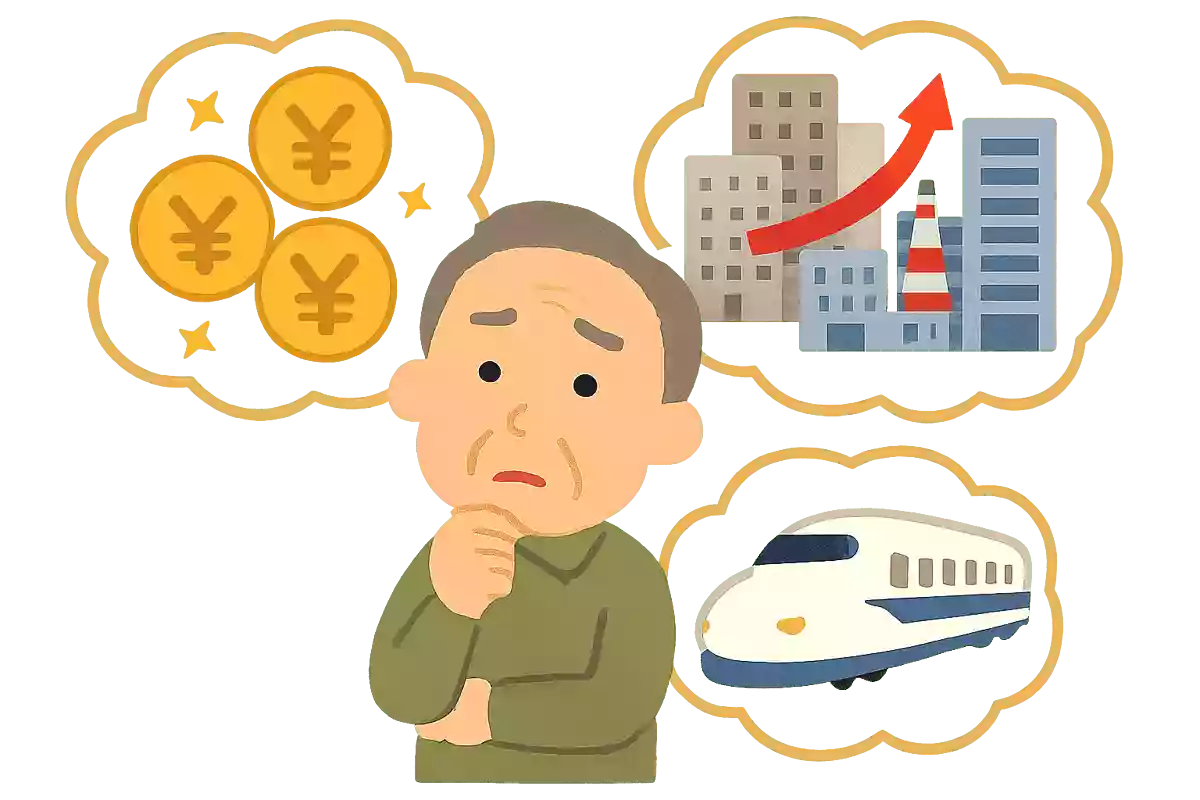
The Izanagi Boom is the popular name for the period of strong economic growth that lasted from November 1965 to July 1970 during Japan’s era of rapid economic expansion.
There were changes in citizens’ lives, such as rising income levels.
At the same time, major environmental pollution issues also became topics of concern.
With industrialization advancing, problems arose such as air and water pollution from factory emissions and effluents, as well as noise.
Excessive pumping of groundwater for industrial use caused pollution-related damage like land subsidence, which grew into a social issue.
Incidentally, the name “Izanagi Boom” comes from Izanagi-no-Mikoto, the deity of creation appearing in Japanese mythology.