

[For Seniors] Brain Training! Recall Quiz Collection!


“What was that again…?” “I can picture it, but I can’t remember the name…” That kind of thing happens all the time in daily life, right?
I’m sure it’s something people experience regardless of age.
In this article, we’ll introduce recall quizzes for older adults!
It might turn into one of those fuzzy quizzes where you know it but can’t quite say it—like Showa-era pop songs, sightseeing spots, or snack names.
Feel free to use them as recreation activities in day-service and other care facilities.
That refreshing feeling when you finally remember—“Ahh, that’s it!”—is unbeatable, isn’t it?
Enjoy thinking together and give your brain a good workout!
- [For Seniors] Recommended for Brain Training! Nostalgic Showa-Era Quiz
- [For Seniors] Nostalgic! Showa-Era Quizzes Recommended for Reminiscence Therapy
- For seniors: Fun, crowd-pleasing word association game ideas
- [For Seniors] Fun and Educational True-or-False Quiz
- [For Seniors] Guaranteed to Liven Things Up! A Collection of Brain Training Activities That Will Spark Laughter
- [For Seniors] Fun Riddles That Stimulate the Brain
- [For Seniors] Fun! Let’s Get Excited with Japan’s Number One Quiz
- [For Seniors] Lively Wordplay Game: Fun Recreation for Elderly Care
- [For Seniors] Fun and Informative! Health Trivia Quiz
- [For Seniors] Fun Brain Training! A Collection of Tricky Quizzes You’ll Definitely Get Stumped By
- [For Seniors] Fun and Lively! Recommended Quiz Questions
- [For Seniors] Fun Brain Training! Lively Whiteboard Activities
- [For Seniors] Today’s recommended quiz. Daily brain-training quiz!
[For Seniors] Brain Training! Recall Quiz Collection! (71–80)
In 1977 (Showa 52), Japan successfully launched its first meteorological satellite. What was the name of this weather satellite?
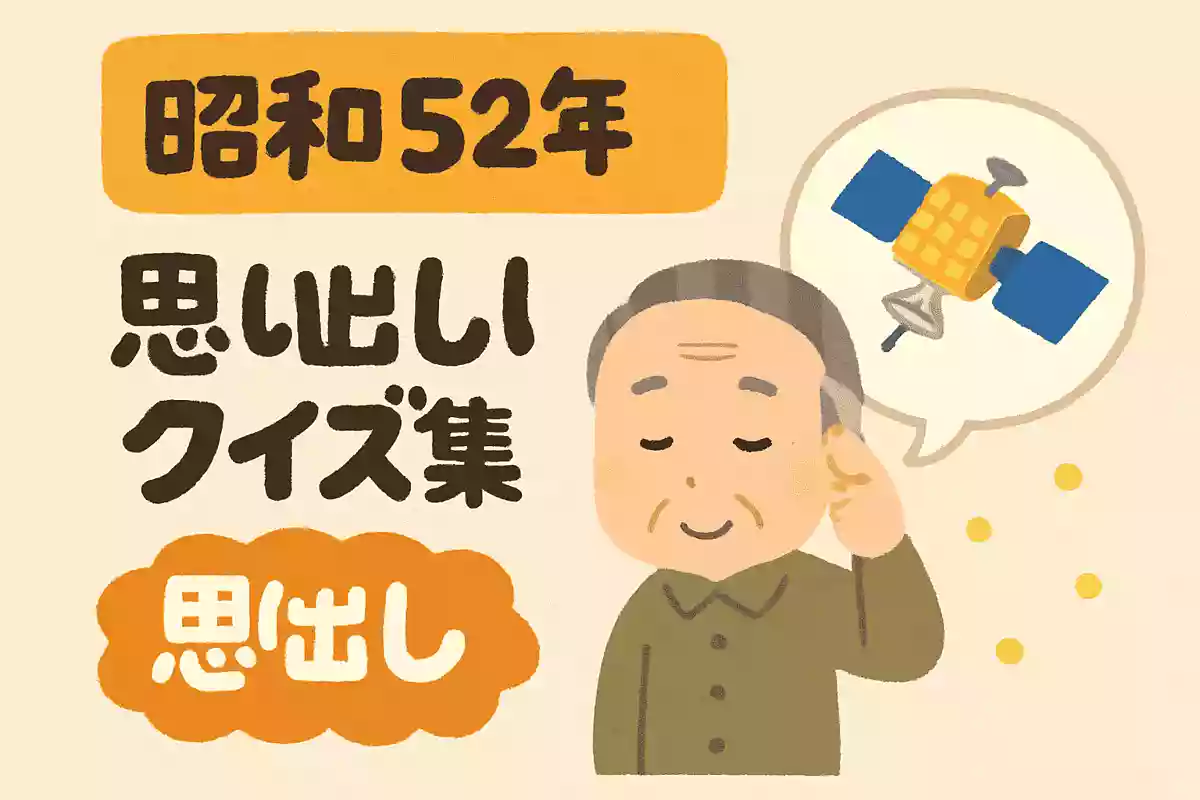
A weather satellite is a satellite that observes various weather-related data from space.
These satellites, which are useful for weather and disaster forecasting, are also launched from Japan.
So, what is the name of the satellite that Japan first successfully launched in 1977 (Showa 52)? It might be easier if you think of a flower that symbolizes summer in Japan.
The answer is “Himawari” (sunflower).
Named after the flower that turns its face toward the sun, Himawari is Japan’s representative series of weather satellites, with multiple generations launched since the first.

Who was the last prime minister of the Showa era?
Speaking of the last Prime Minister of the Showa era, it was the 74th, Noboru Takeshita.
During the Takeshita Cabinet, which lasted from November 6, 1987 (Showa 62) to June 3, 1989 (Heisei 1), policies that would greatly influence Japan’s future were implemented, such as the introduction of the consumption tax and the liberalization of U.S.-Japan trade.
In recent years, his grandson, the singer DAIGO, has been very active on variety shows and elsewhere! Some older viewers may have seen him nostalgically share stories about Mr.
Takeshita, beginning with “My grandpa…” Since some people are sensitive about political topics, when presenting this as a quiz, keep it strictly as a name-guessing game and maintain a lighthearted tone.

Among Yukio Hashi, Hideki Saijo, and Kazuo Funaki, who is not one of the “Gosanke” (the ‘Big Three’?)
Among Yukio Hashi, Hideki Saijo, and Kazuo Funaki, who is not part of the “Gosanke” (the Big Three)? The hint is the period when each was active: the Gosanke are generally associated with making a big impact around the mid-1960s.
The answer is Hideki Saijo.
The Gosanke refers to Yukio Hashi, Kazuo Funaki, and Teruhiko Saigō.
Hideki Saijo was mainly active in the 1970s and, alongside Hiromi Go and Goro Noguchi—who were active in the same era—was known as part of the “Shin Gosanke” (the New Big Three).
The second Monday of every October is Sports Day. Why was this date chosen?
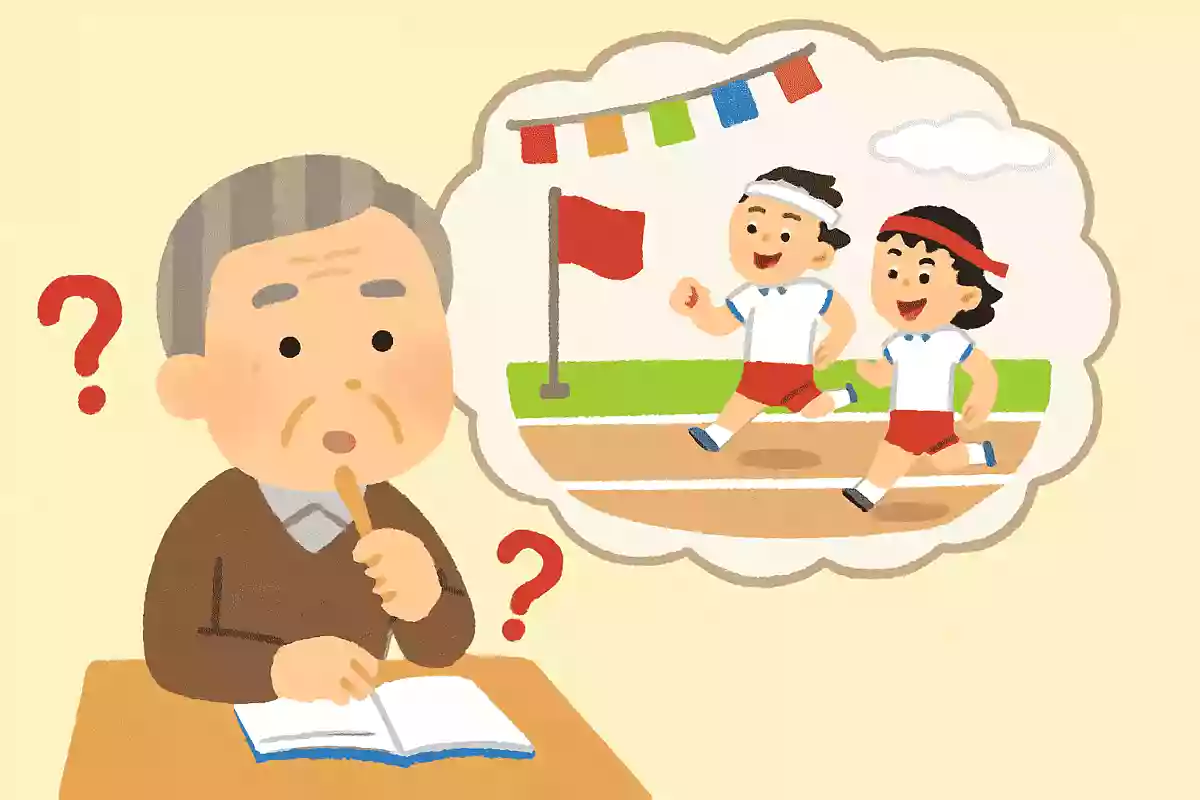
The second Monday in October is designated as Sports Day, right? Do you know why it’s set on the second Monday of October? The answer is because the Tokyo Olympics were held on October 10, 1964.
By the way, when it was first established, it was called “Health and Sports Day” (Taiiku no Hi), but it was later changed to “Sports Day” through a legal revision.
In fact, Sports Day is also the first national holiday whose name includes an English word.
If you’re curious, try thinking of other holidays as well.

This event, held in Kyoto every year on August 16th, involves lighting fires on the mountains in the sequence of “Daimonji,” “Myoho,” “Funagata,” “Hidari Daimonji,” and “Toriigata.” What is this event called?
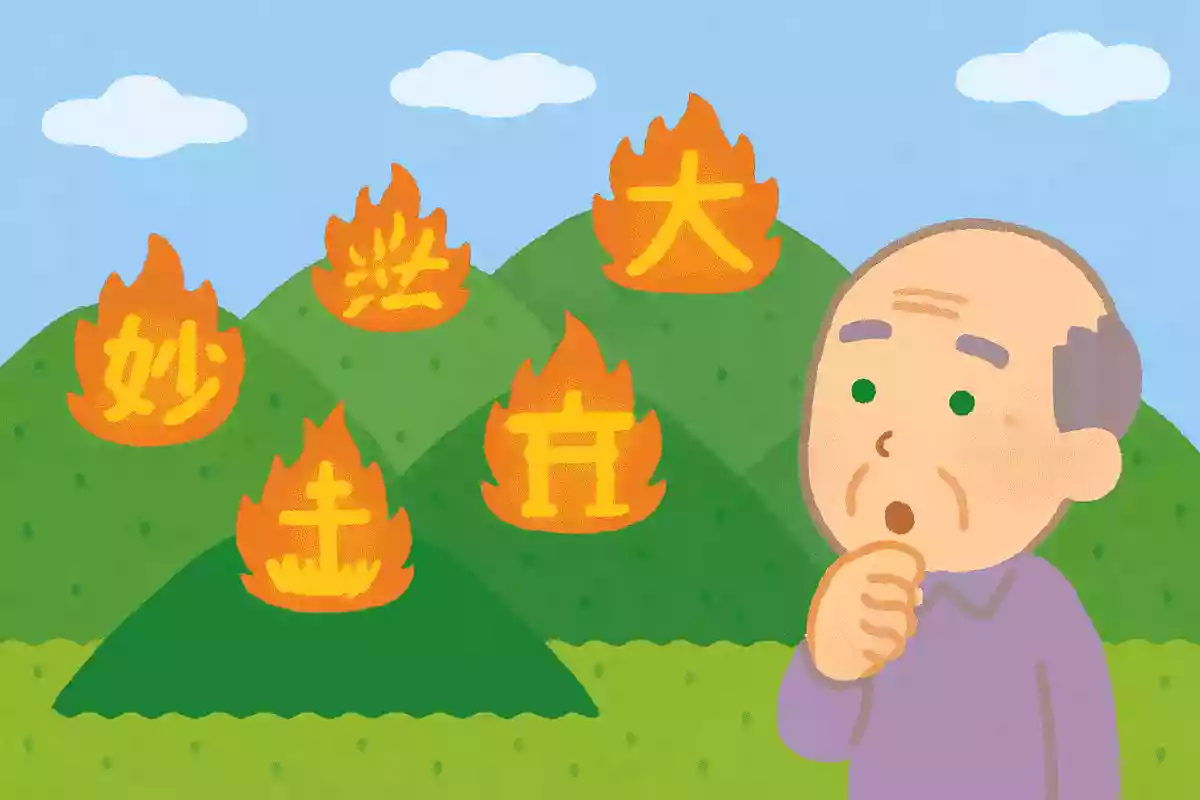
What is the name of the event in which fires are lit on the mountains in Kyoto every year on August 16, in the order of “Daimonji,” “Myōhō,” “Funagata,” “Hidari Daimonji,” and “Toriigata”? The answer is “Gozan no Okuribi.” It is a famous traditional summer event in Kyoto, held to send off the spirits of Obon.
Every year, many people visit Kyoto as tourists to see this event.
It is often broadcast on television, and the characters of fire flickering in the darkness are beautiful and feel very powerful.
It’s an Obon event that many would want to see at least once.

There used to be a part-time job where workers pushed people into crowded trains when they couldn’t get on. What is the name of this job, which was introduced at what is now JR Shinjuku Station in 1955?
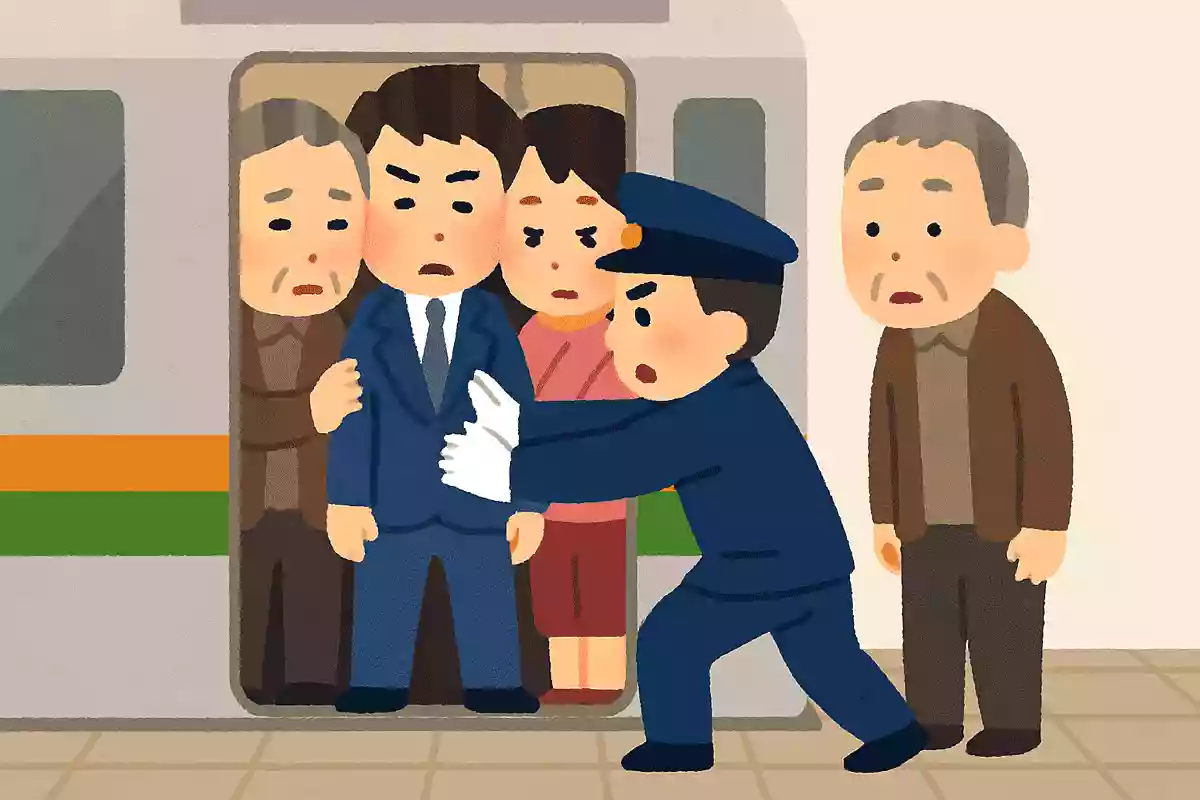
The part-time workers hired to push people into trains when they couldn’t board the packed cars introduced at what is now JR Shinjuku Station in 1955 (Showa 30) were called “oshiya” (pushers).
As commuting rush-hour congestion worsened and delays became routine, these oshiaya—mainly student part-timers—were brought in to ensure on-time departures.
You might think that in today’s world, where announcements sometimes say “Please don’t push,” this job would have disappeared, but it turns out they are still regularly recruited as “service staff” to help prevent delays and ensure safety.
What does this kanji for “fig” represent?
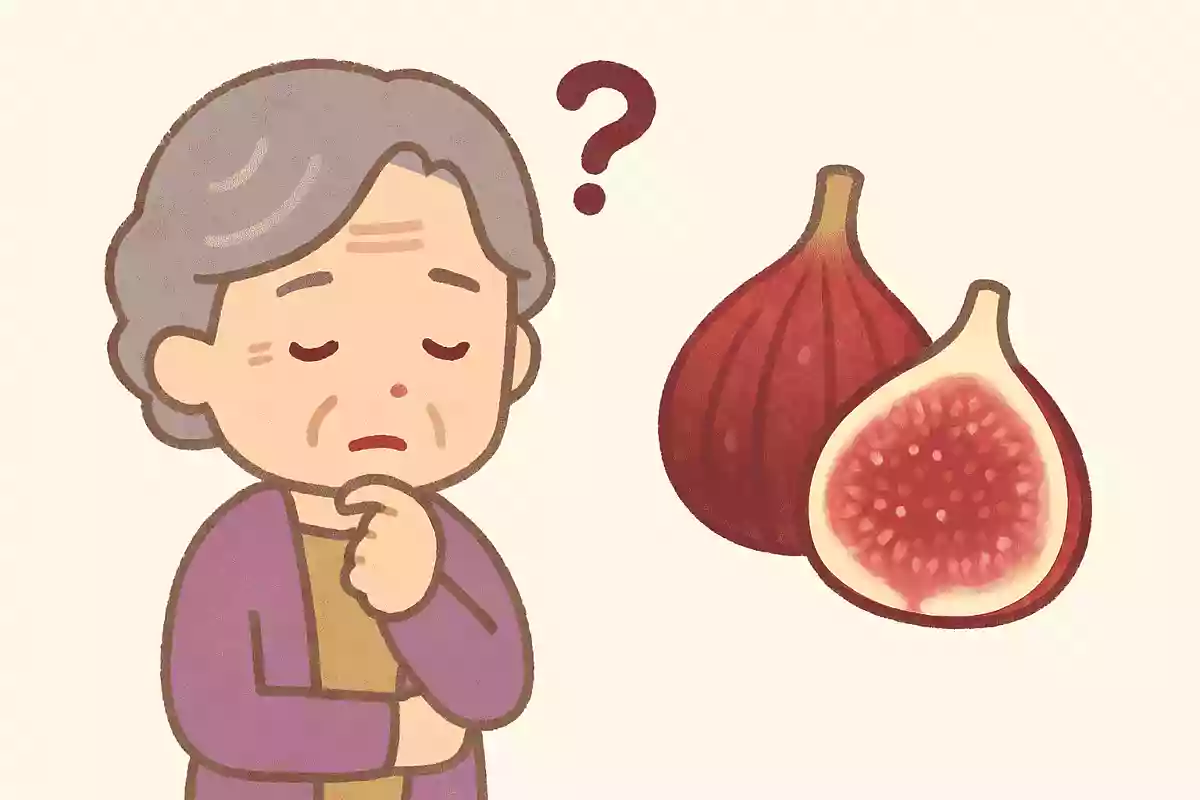
What does the kanji “無花果” represent? Here’s a hint: it’s a fruit.
It’s widely produced in Wakayama and Aichi Prefectures and is eaten from summer to autumn.
It’s sometimes said to be the forbidden fruit that Adam and Eve ate, but it’s not the famous apple.
Although the kanji say “no flower,” the truth is that the flowers bloom inside the fruit! So, what is this unusually structured fruit? It’s the fig (ichijiku).
Figs are rich in nutrients that help prevent constipation, as well as iron and minerals, so when they’re in season, seniors should enjoy not only the quiz but also their delicious taste.
