In general, what is August 13, the start of Obon, called?
While the timing and customs of Obon can vary by region, it generally begins on August 13.
What is August 13, the start of Obon, called? The answer is “Mukae-bon,” which literally means welcoming the ancestors—an easy term to understand if you think of it as a ceremony to receive and honor them.
The idea is to prepare offerings that warmly welcome your ancestors and celebrate their return.
It’s also good to know about the practice of lighting fires to guide them, called “Mukae-bi” (welcoming fires).
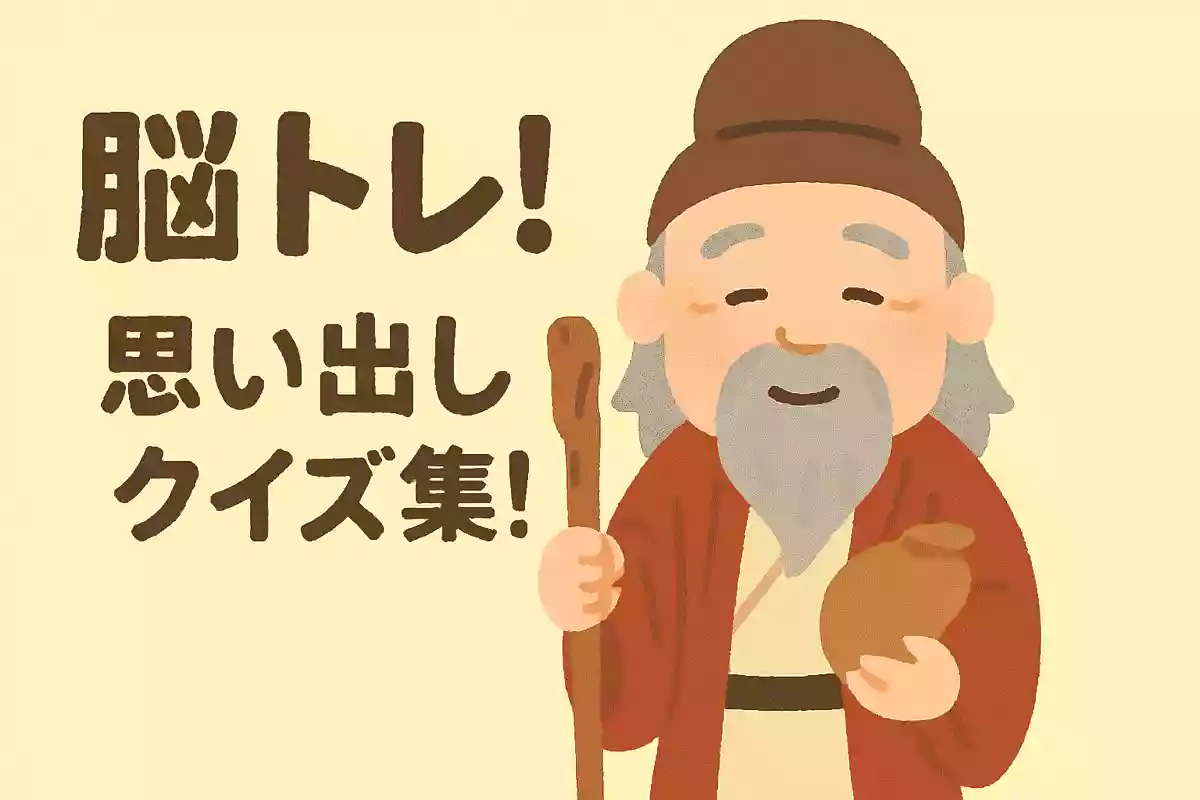
Who is the only Japanese deity among the Seven Lucky Gods?
The Seven Lucky Gods are revered as deities of fortune.
They are a collective term for seven gods: Ebisu, Daikokuten, Fukurokuju, Bishamonten, Hotei, Jurōjin, and Benzaiten.
But which one is the only Japanese god among them? The answer is Ebisu.
Worshiped as the god of fishing, prosperous business, and bountiful harvests, Ebisu is said to be the third child of the deities Izanami and Izanagi.
Incidentally, Daikokuten and Benzaiten have roots in Hinduism; Bishamonten comes from ancient India; and Fukurokuju, Jurōjin, and Hotei are of Chinese origin—surprisingly global, isn’t it?
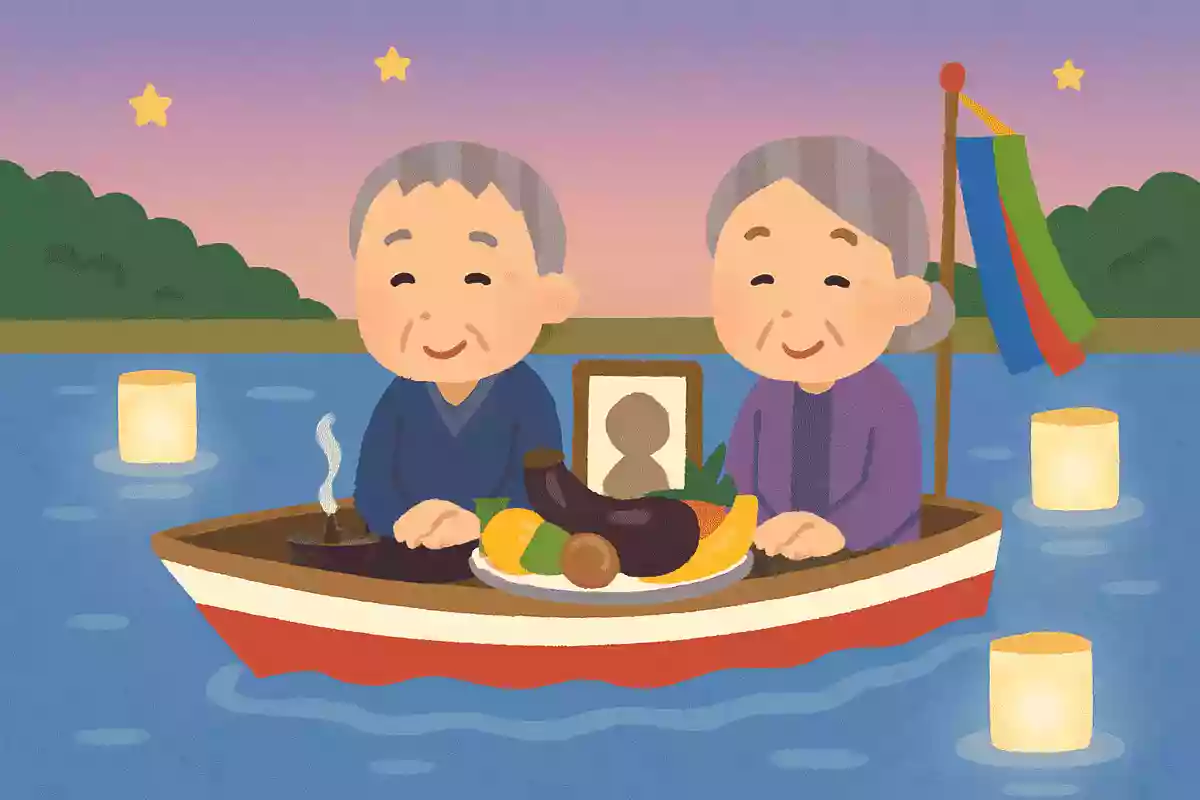
What is the name of the event, mainly held in Nagasaki and Saga prefectures, in which the spirits of ancestors and Obon offerings are placed on a boat and floated down a river?
One interesting aspect of the traditional Japanese custom of Obon is that the events vary by region.
Among these Obon events, what is the name of the ceremony, practiced mainly in Nagasaki and Saga Prefectures, in which ancestors’ spirits and Obon offerings are placed on boats and sometimes actually set adrift down a river? The answer is “Shōrō-nagashi” (Spirit Boat Procession).
Because of Masashi Sada’s hit song, it is often associated with a fleeting, melancholy image, but in reality it’s a lively event.
The boats are gorgeously decorated with family crests and lanterns, and the finale echoes with the loud crackle of firecrackers—an event that truly stirs the emotions.
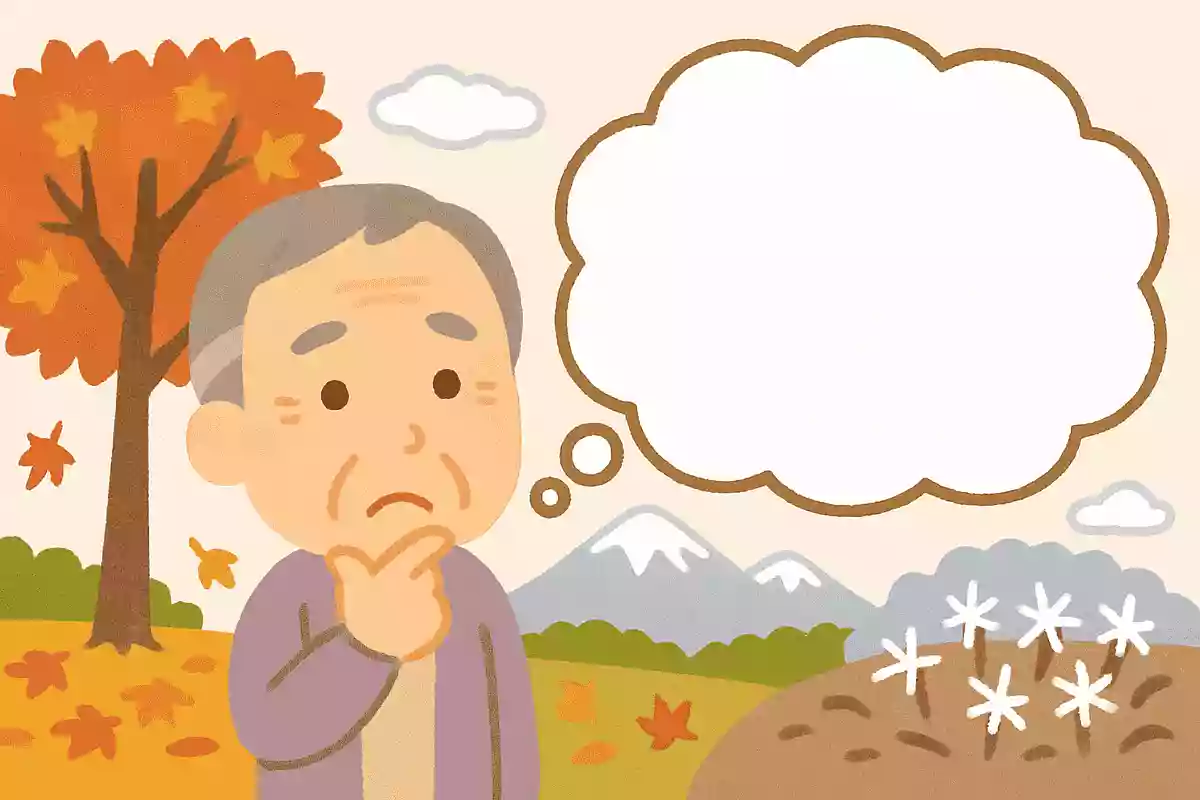
The 24 solar terms divide the year on Earth into 24 parts based on the seasons and climate. What is the term for the time in late autumn when the first frost appears?
Do you know the 24 solar terms? The 24 solar terms are like a calendar that divides the year.
First, the seasons are split into spring, summer, autumn, and winter, and then each season is further divided into six periods according to the weather.
The beginning of autumn is called Risshū, and the period when the summer heat begins to ease is called Shosho.
Here’s a question: How do we describe the time when the first frost falls? The correct answer is Sōkō.
It’s read “kōsō,” and it specifically refers to around October 24.
It might be fun to compare the traditional solar-term calendar with today’s calendar to see where we are right now.
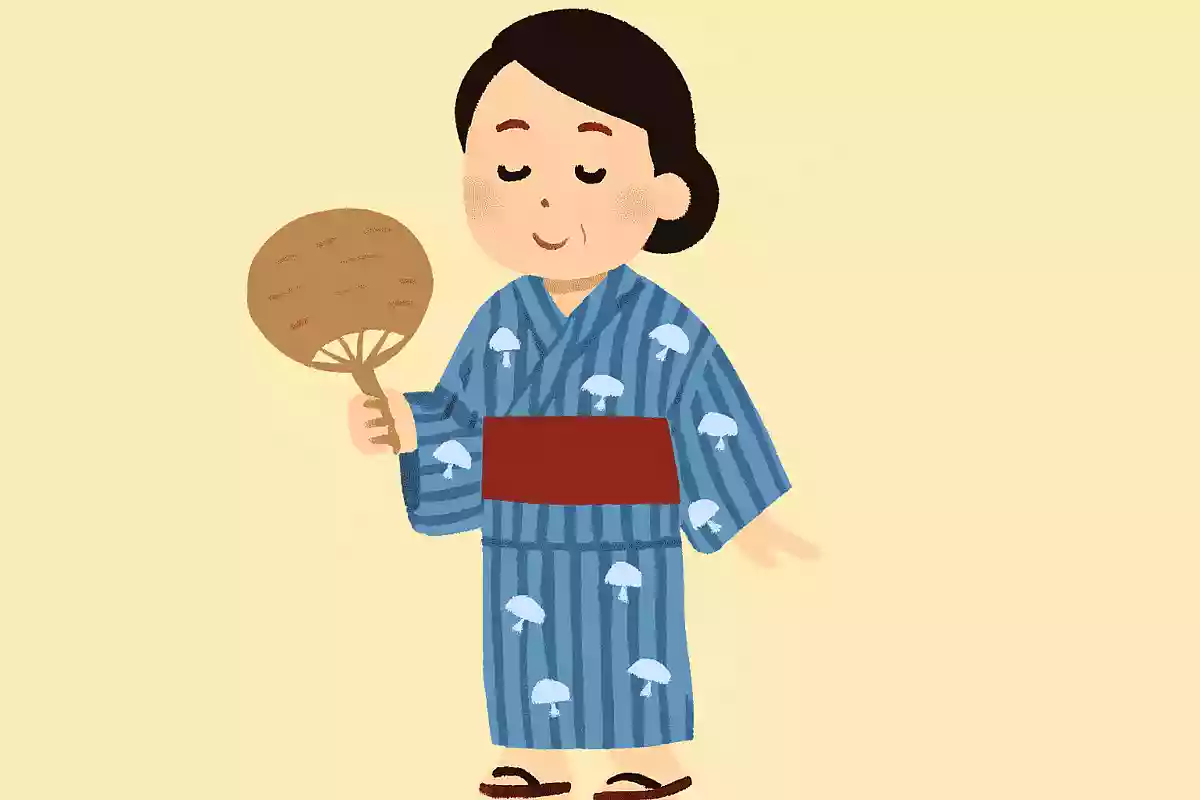
What was the summer women’s clothing that became popular from the late Taisho period to the early Showa period?
The name of the easy-to-throw-on women’s summer garment that was popular from the late Taisho to the early Showa period was “appappa.” It’s said to come from an Osaka dialect word that describes a skirt flaring out with a “pah.” These days, most fashion-related buzzwords trace their origins to foreign languages, so you can really feel the change of the times in the fact that this one comes from a domestic dialect.
In 1929, when Tokyo was hit by its worst heat wave in 40 years, the appappa also became wildly popular.
My grandmother still calls it an “appappa,” so there may still be people who use the term even now…