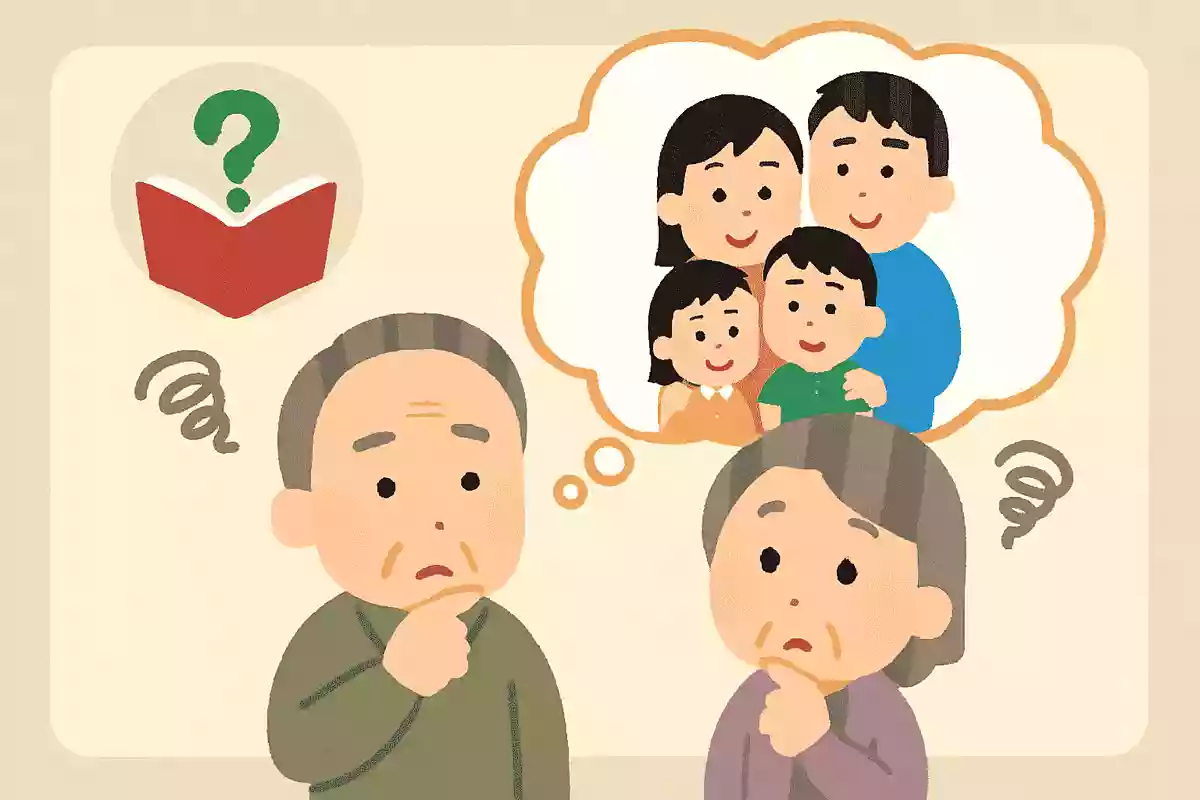
The third Sunday of October is a day related to family. What is this commemorative day, which was established in 1999?
Suddenly, but do you know what the third Sunday of October is? Here are some hints: it was established in 1999, and it’s a day related to family.
The answer is Grandchildren’s Day.
This day was set by the Japan Department Stores Association, which also runs a campaign where toys that grandchildren would love are given away by lottery.
In recent years, it has also become known as a day for giving gifts to grandchildren.
Why not take this opportunity to give a present and strengthen your bond with your grandchild?
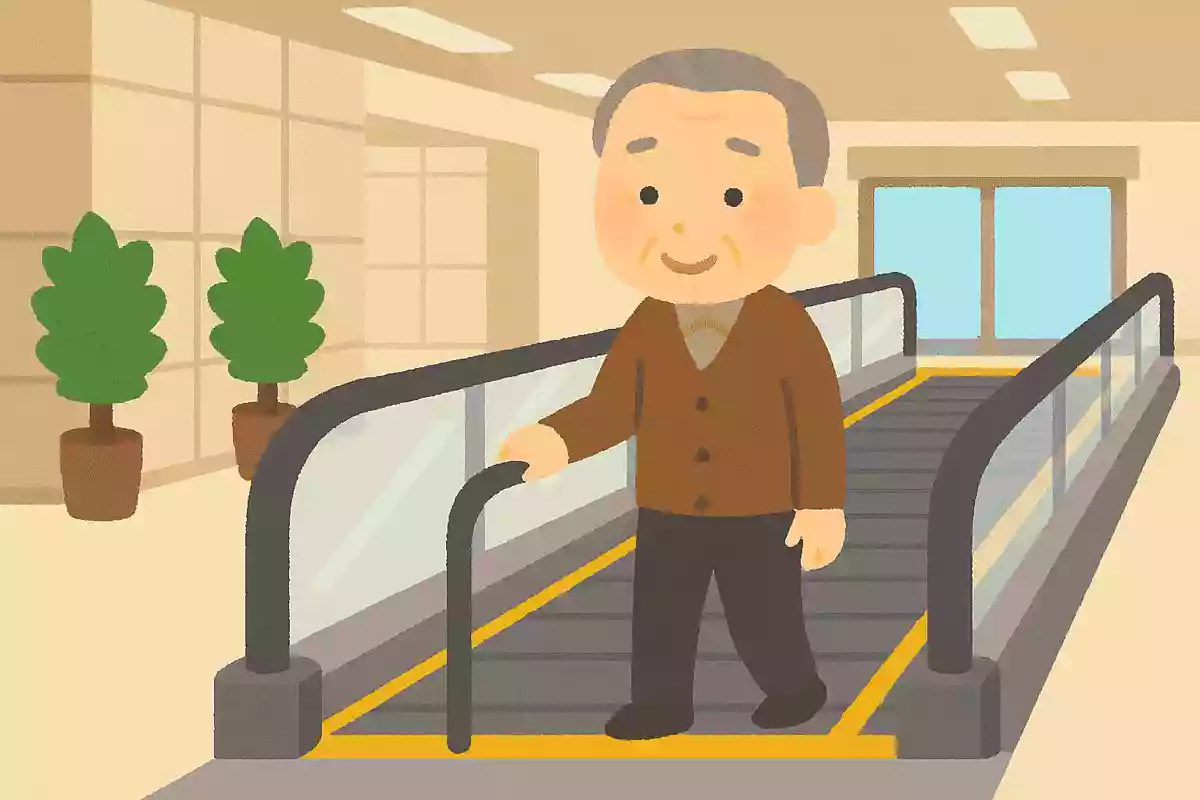
Japan’s first moving walkway debuted in 1967 (Showa 42). Do you know where it made its first appearance?
Moving walkways found in airports and large train stations look like escalators, but instead of taking you up or down a floor, they carry you straight ahead.
They’re faster than walking and let you glide smoothly to your destination, making them very convenient.
So, where did moving walkways first appear in Japan? Here’s a hint: it’s in Kansai, in a place known for people who are often in a hurry.
The answer is Osaka! The first one was installed at Hankyu Umeda Station.
At the time, the station was undergoing expansion, and the walkway was built to improve access from platform to platform.
By the way, you often see people walking on moving walkways, but it’s dangerous, so once you step on, stand still and ride it to your destination.
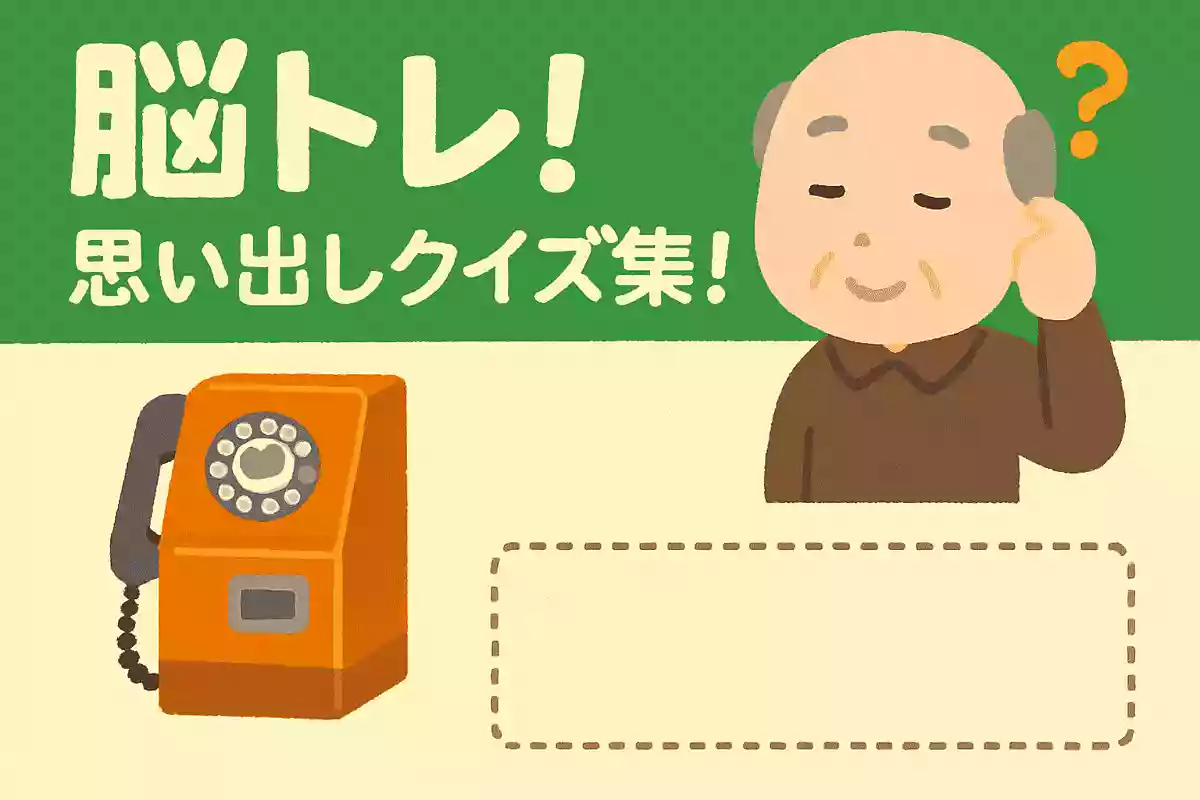
In 1970 (Showa 45), the local call charge for public telephones became 10 yen for 3 minutes. What had the pricing structure been like before that?
Public telephones used to be essential for making calls while out and about, but as time has gone on, we see them less and less.
Because opportunities to use them have decreased, many of us may no longer have a clear sense of the cost, but the rate is set at 10 yen for three minutes.
That “10 yen for three minutes” rate was introduced in 1970; before that, the pricing was different.
So what was the rate before 1970? The answer is “10 yen per call.” As long as you paid 10 yen, there was no time limit—your call would stay connected without worrying about the duration.
It’s worth noting the anecdote that many people would monopolize the phone for long periods because of this.
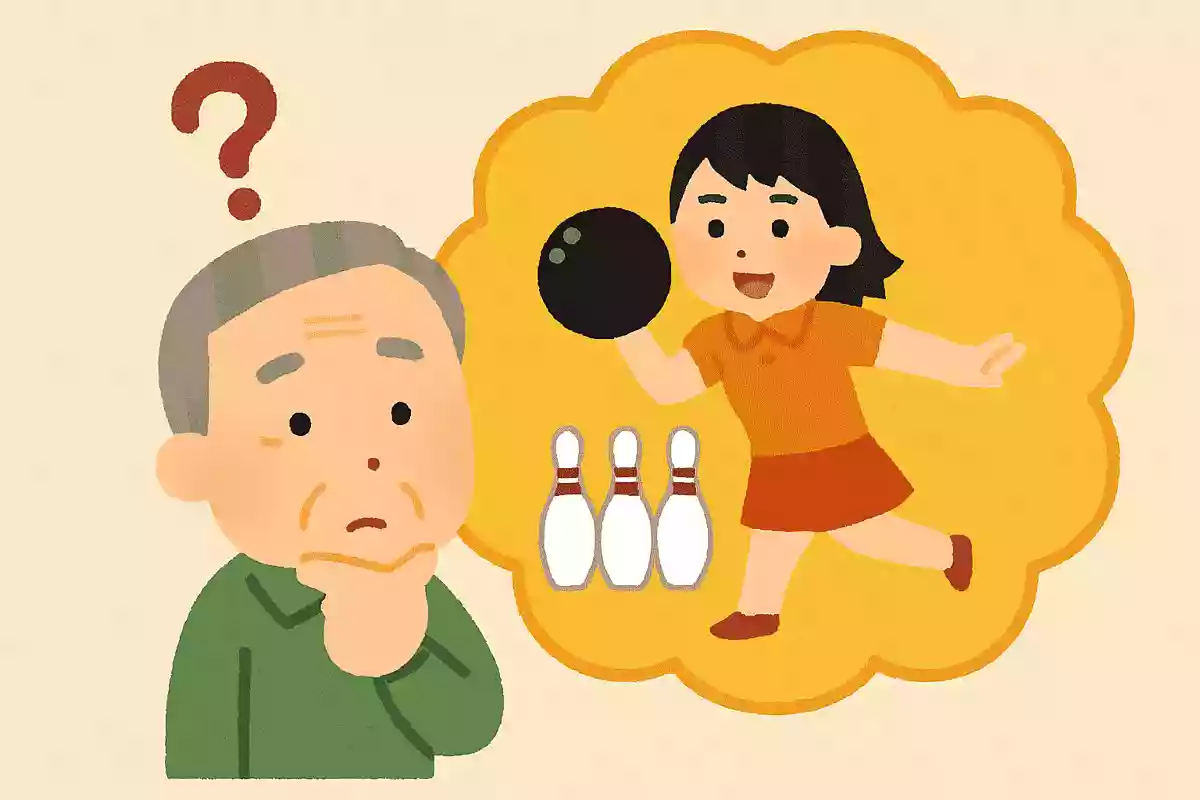
What sport was popular in the 1970s thanks to the success of players like Kayoko Suda and Ritsuko Nakayama?
Speaking of the sport that sparked a huge boom centered in Tokyo in the 1970s, it’s bowling! Ritsuko Nakayama, Kayoko Suda, and Rie Ishii, who were immensely popular as beautiful professional bowlers, were known as the “Flower Trio,” and, unusually for athletes, continued their careers while appearing on seven regular weekly TV programs.
With its simple rule—roll the ball and knock down the pins—bowling has long been loved by people of all ages.
Some of you might fondly recall how obsessed you were with it in your younger days.
What do you call changing uniforms according to the season, such as in June or October?
When summer ends and autumn arrives, it gradually gets cooler, doesn’t it? In line with that, some people put away their summer clothes and get their warm clothes ready.
Also, during the change of seasons, school and company uniforms change too.
Here’s a question: what do we call changing clothes or uniforms with the seasons? The correct answer is “koromogae,” or seasonal wardrobe change.
By the way, the timing for koromogae at schools and companies is most often set for June and October.
Try paying attention and observing this when you visit stores and other places.
What is the fire called that is burned when sending ancestors back on August 16?
During Obon, there is a custom of burning ogara (hemp stalks).
On August 13, the first day, they are burned as a guide for the ancestors.
This is called “mukaebi,” or welcoming fires.
Do you know what the fires burned on August 16, at the end of Obon, to send the ancestors back are called? The answer is “okuribi,” or sending-off fires.
It can feel a bit lonely to send them off after they’ve finally come home, but let’s see them off properly.
The time for lighting okuribi varies by region, but it is generally done in the evening.