

[For Seniors] Brain Training! Recall Quiz Collection!


“What was that again…?” “I can picture it, but I can’t remember the name…” That kind of thing happens all the time in daily life, right?
I’m sure it’s something people experience regardless of age.
In this article, we’ll introduce recall quizzes for older adults!
It might turn into one of those fuzzy quizzes where you know it but can’t quite say it—like Showa-era pop songs, sightseeing spots, or snack names.
Feel free to use them as recreation activities in day-service and other care facilities.
That refreshing feeling when you finally remember—“Ahh, that’s it!”—is unbeatable, isn’t it?
Enjoy thinking together and give your brain a good workout!
- [For Seniors] Recommended for Brain Training! Nostalgic Showa-Era Quiz
- [For Seniors] Nostalgic! Showa-Era Quizzes Recommended for Reminiscence Therapy
- For seniors: Fun, crowd-pleasing word association game ideas
- [For Seniors] Fun and Educational True-or-False Quiz
- [For Seniors] Guaranteed to Liven Things Up! A Collection of Brain Training Activities That Will Spark Laughter
- [For Seniors] Fun Riddles That Stimulate the Brain
- [For Seniors] Fun! Let’s Get Excited with Japan’s Number One Quiz
- [For Seniors] Lively Wordplay Game: Fun Recreation for Elderly Care
- [For Seniors] Fun and Informative! Health Trivia Quiz
- [For Seniors] Fun Brain Training! A Collection of Tricky Quizzes You’ll Definitely Get Stumped By
- [For Seniors] Fun and Lively! Recommended Quiz Questions
- [For Seniors] Fun Brain Training! Lively Whiteboard Activities
- [For Seniors] Today’s recommended quiz. Daily brain-training quiz!
[For Seniors] Brain Training! Recall Quiz Collection! (51–60)
After the war, there were home appliances in Japan that people longed for, called the “Three Sacred Treasures.” They were the television, the refrigerator, and what was the third one?
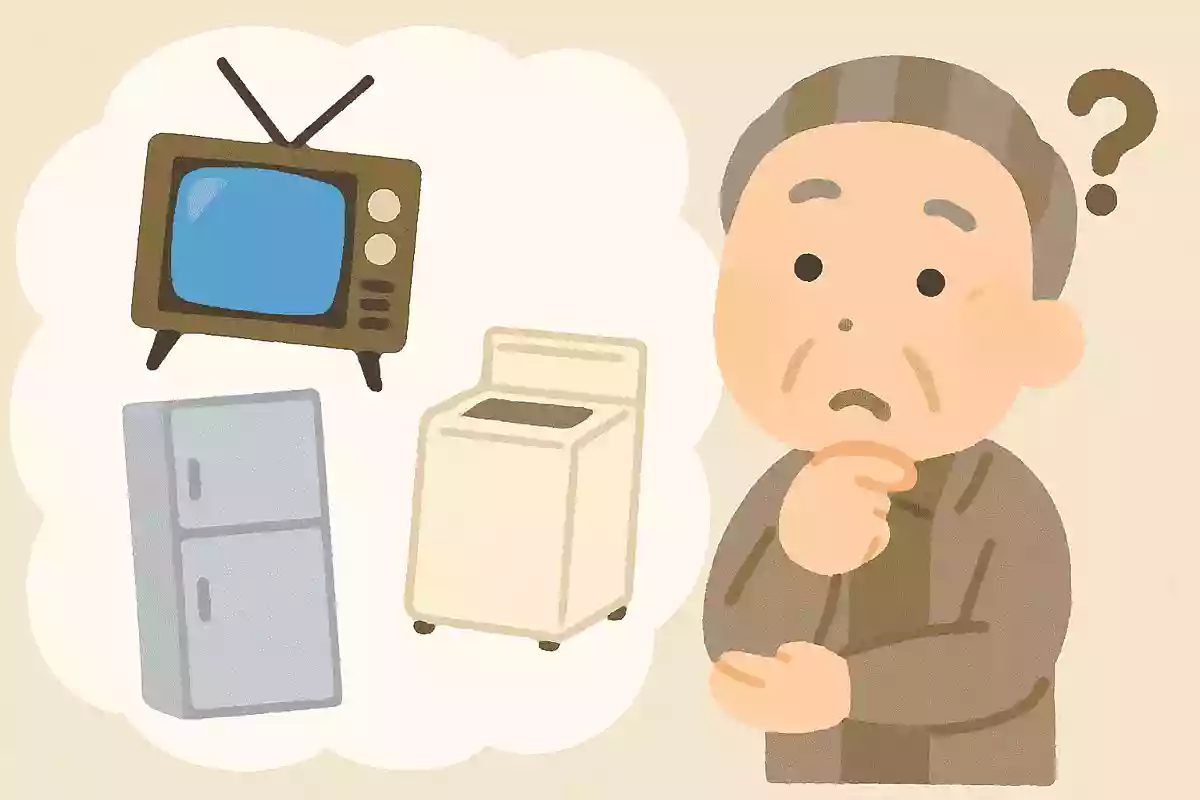
After postwar reconstruction, Japan became increasingly prosperous.
As a symbol of that prosperity—and something people aspired to own—there were certain home appliances known as the “Three Sacred Treasures.” Let’s think about the third appliance that stood alongside the television and the refrigerator.
It’s easier if you consider a representative household appliance that supports major chores and is still regarded as important today among so-called “white goods.” The answer is the washing machine.
You can see the history in the fact that an appliance we now take for granted was once a symbol of aspiration.
It’s also recommended to look into the origin of the term “Three Sacred Treasures,” as well as the “New Three Sacred Treasures” of the 1960s, to deepen your understanding.

How much was 1 US dollar in Japan between 1949 (Showa 24) and 1971 (Showa 46) after the war?
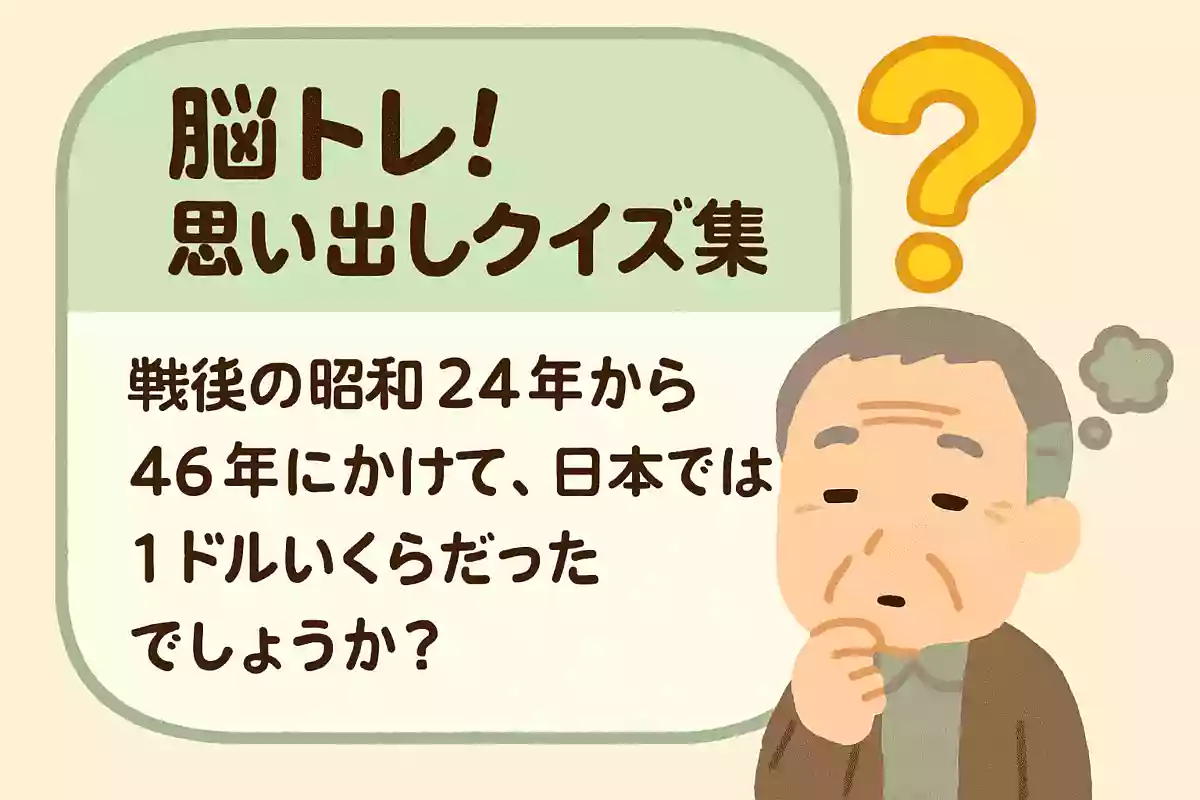
Do you know how much one US dollar was in Japan from 1949 to 1971 in the postwar Showa era? The answer is 360 yen to the dollar! This rate was set by the U.S.
GHQ with the goal of stabilizing and enabling Japan’s postwar self-reliance.
Later, Japan moved to a floating exchange rate system in February 1973, and by 2023 (Reiwa 5), one dollar was about 145 yen.
Some older adults may be very knowledgeable about economics.
Experiencing Japan’s changes through quizzes could spark memories of areas they were once well-versed in.

What color are the lanterns used during the first Obon (shinbon)?
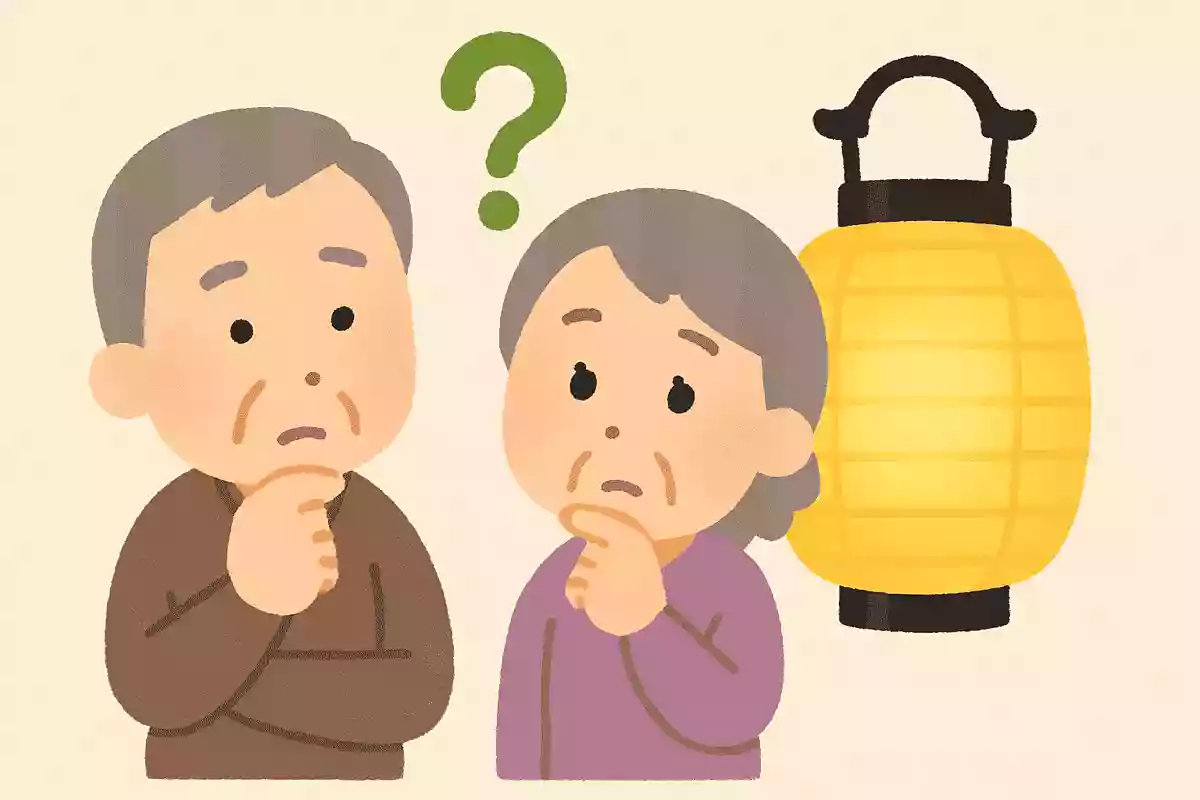
Shinbon refers to the first Obon observed after someone has passed away.
More specifically, it means the first Obon that comes after the forty-nine-day mourning period has ended, and the term varies by region, with names such as “shinbon” or “arabon.” During Shinbon only, a white lantern called “hakumonten” is displayed.
The reason is to serve as a landmark so the spirit of the deceased, returning for the first time, will not lose its way.
Some older adults may already know this, but it’s very educational—so why not turn it into a quiz and enjoy the seasonal feeling?

In the old lunar calendar, October was called “Kannazuki,” or “the month without gods.” It’s said to be because all the deities of Japan gathered in one place. Where is that place?
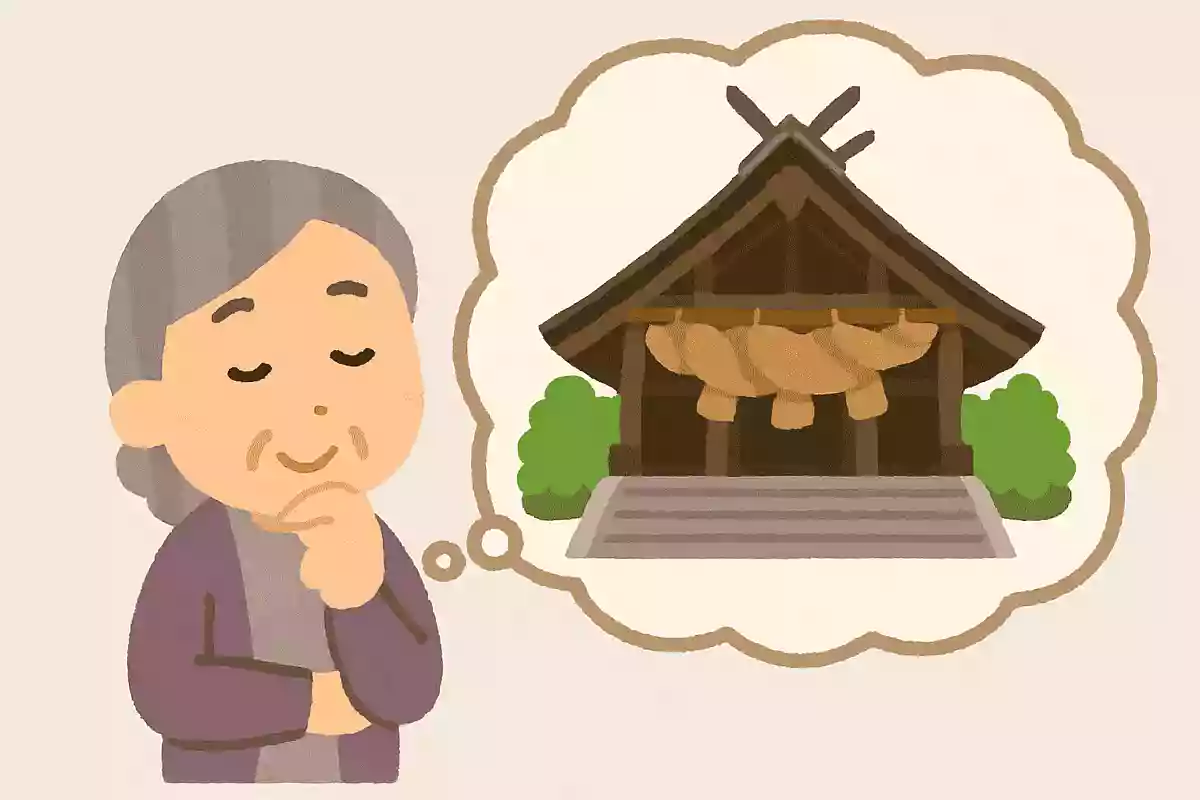
In the old lunar calendar, October is called “Kannazuki,” the Month of No Gods.
This comes from the idea that all the deities across Japan gather in one place, leaving the rest of the country without its gods.
The question, then, is: Where do they gather? The answer is Izumo Taisha.
Because of this, in Shimane Prefecture, where Izumo Taisha is located, October is called “Kamiarizuki,” the Month of the Gods.
As for why the deities gather, there are various theories—some say it’s for matchmaking, others for funerary matters.
There are many other legends about Kannazuki as well, so it can be fun to look them up.

[For Seniors] Brain Training! Recall Quiz Collection! (61–70)
Lottery tickets were first sold in 1945 (Showa 20). At the time, four losing tickets could be exchanged for something. What was that something?
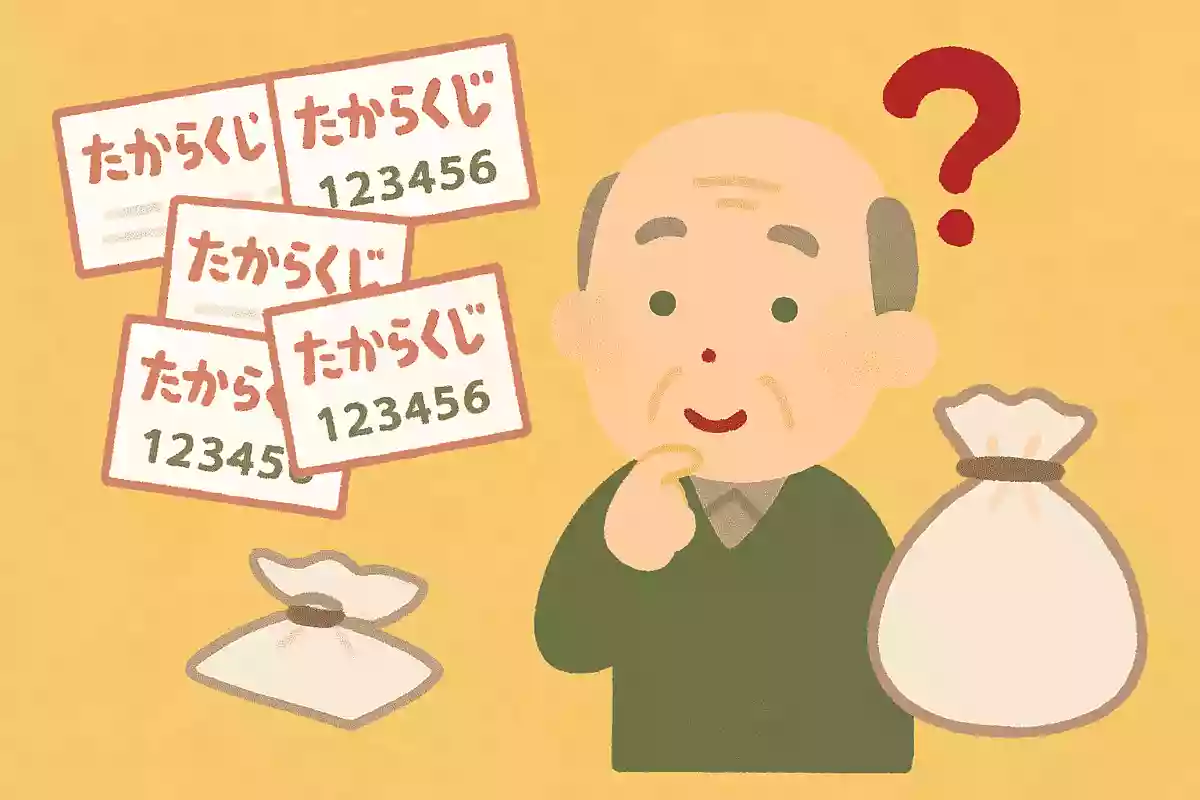
The first time lottery tickets were sold was in July 1945, just before the end of the war.
The price was 10 yen per ticket, and the top prize was 100,000 yen.
Back then, there was a system where four losing tickets could be exchanged for something—but that “something” was actually ten cigarettes, called kinshi at the time! While alcohol as a prize might still be conceivable, a lottery that includes cigarettes as prizes is unthinkable today.
For those who remember it, this must be a nostalgic episode that highlights how times have changed.
How much was 1 US dollar in Japanese yen from 1949 (Showa 24) to 1971 (Showa 46)?
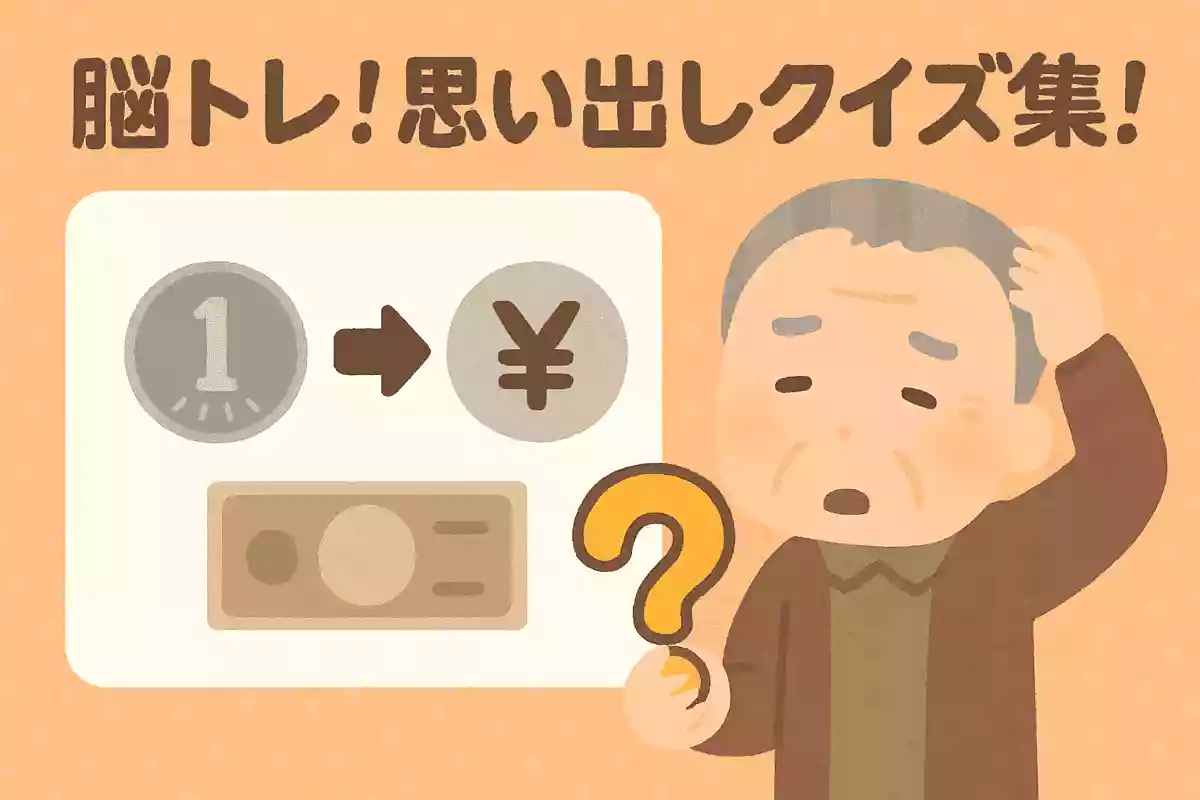
From 1949 (Showa 24) to 1971 (Showa 46), the value of one US dollar against the Japanese yen was fixed.
So what was that value? The hint lies in Japan’s postwar trajectory: considering that the country rebuilt itself through exports, you can probably estimate the rough figure.
The answer is 360 yen.
If you then look at how the exchange rate changed from there, you’ll get a sense of Japan’s growth—highly recommended.
It’s a complex topic, but it’s also worth learning what kinds of phenomena occur when the dollar’s value shifts.
Around 1955 (Showa 30), what were the cafes in Japanese urban areas—where everyone sang together—called?
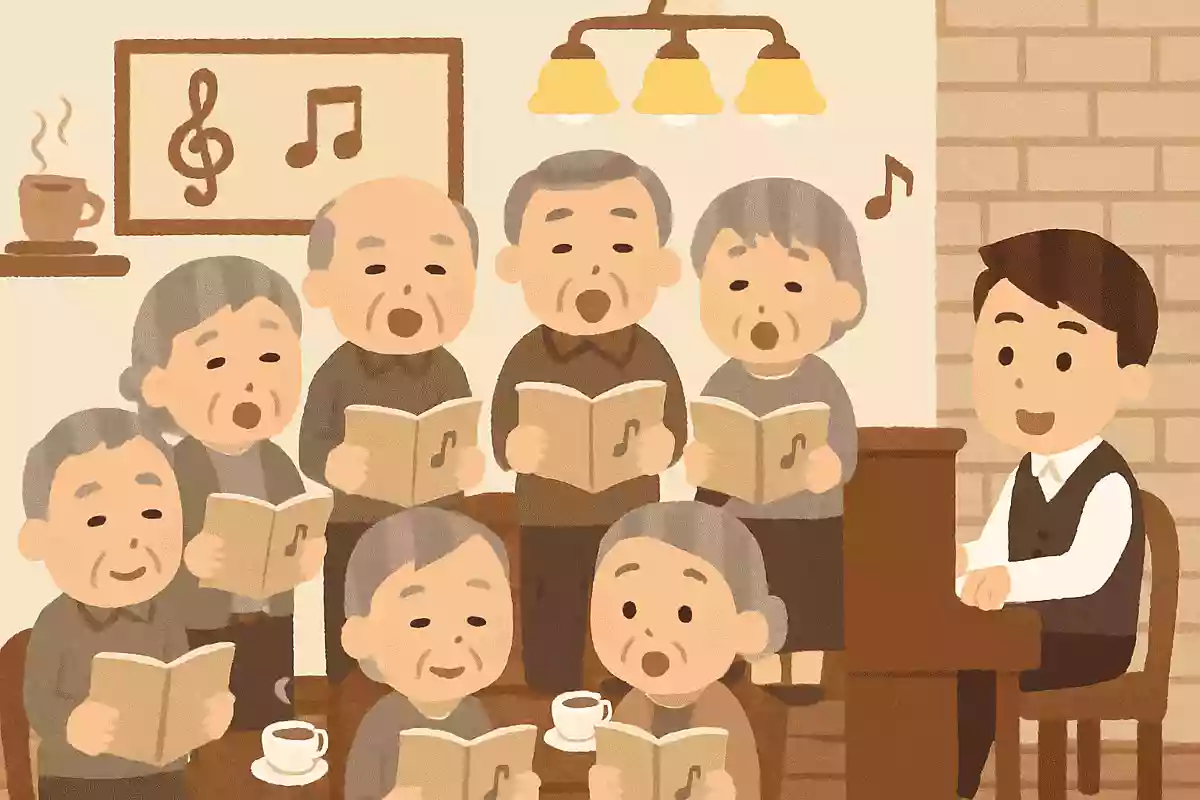
Songs that have always been close to people’s hearts are loved in various ways depending on the era.
Before karaoke boxes appeared, what were the cafes called—popular around the mid-1950s and spreading mainly in Japanese cities—where everyone would sing together? The name clearly evokes the scene of people layering their voices along with various instruments.
The answer is “utagoe kissa” (singing voice cafes).
It is said that as people layered their voices, a sense of solidarity grew, which had a significant impact on student and labor movements.