

[For Seniors] Spice Up Your Usual Oral Exercises! Patakara Exercises and Tongue Twisters

In facilities where older adults live, many residents look forward to mealtimes.
This time, we’re introducing oral exercises that can strengthen chewing and swallowing abilities to help you enjoy meals more.
If your facility already uses such exercises, adding some variations to your usual routine can make it more fun to continue.
If you haven’t started yet, why not try beginning with slower-paced exercises?
By increasing saliva production, you can help prevent aspiration, improve digestive function, and potentially boost appetite!
- [For Seniors] Let's try customizing the usual Pa-Ta-Ka-Ra exercises!
- [For Seniors] Boost Oral Function with Tongue Twisters! Recommended Picks to Try
- [For Seniors] Stay Healthy Through Your Mouth with the A-I-U-BE Exercises!
- [For Seniors] Oral Exercises to Keep Eating Deliciously and Enjoyably
- [For Older Adults] Games to Enhance Oral Function: Enjoyable and Easy to Do
- [Recommended for seniors] Rejuvenating Rock-Paper-Scissors Exercise
- Tongue twisters that will make you laugh out loud! Super funny
- [For Seniors] Guaranteed to Liven Things Up! A Collection of Brain Training Activities That Will Spark Laughter
- Energetic and Lively! Sing-and-Exercise Program for Seniors
- With upbeat rhythm routines! Music therapy for seniors
- Hand games that liven things up for seniors—also great brain training
- A Food Quiz for Seniors to Make Eating More Enjoyable
- For Seniors: Fun and Lively Exercise Recreation
[For Older Adults] Spice Up Your Usual Oral Exercises! Pa-Ta-Ka-Ra Drills and Tongue Twisters (21–30)
Patakara exercises with the song ‘Back-to-Back Height Comparison’

Here’s an idea for mouth exercises using the well-known children’s song “Sekkura-be.” It’s very simple: just change the song’s lyrics to the sounds pa-ta-ka-ra and sing them out loud.
If you’re doing this in a senior care facility, it may be easier to first sing the original song once and then switch to pa-ta-ka-ra.
It’s also helpful to write the lyrics on a whiteboard or print them on paper so everyone can see them.
Doing this before meals can be especially effective in preventing choking, and practicing every day can lead to even better results.
Please give it a try!

This kid had a hard time writing katakana, didn’t they? I wonder if they didn’t cry?
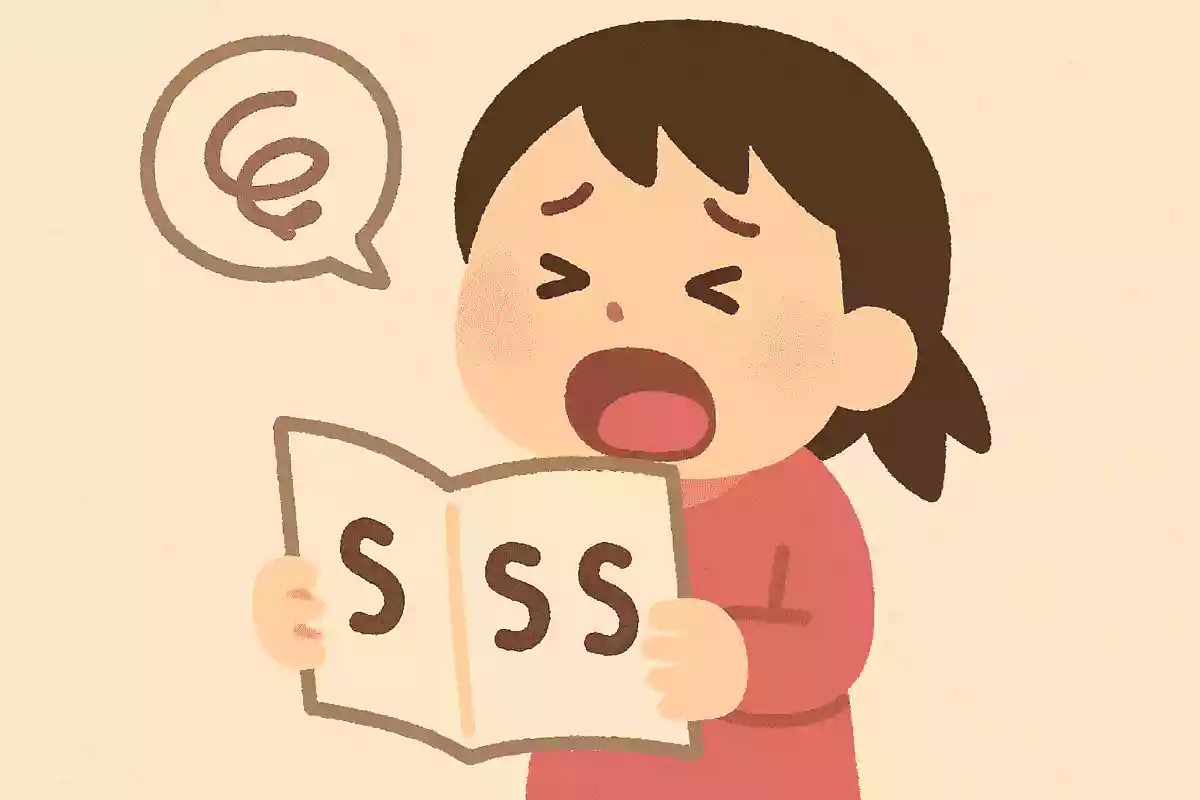
“Kono ko nakanaka katakana kakenakatta na, nakakanakatta kana?” is quite a long tongue twister.
Are they worried that the child who couldn’t write katakana didn’t end up crying? Words with similar sounds like nakanaka and katakana run together almost like a reverse reading.
Plus, the repeated ka sounds create a string of identical syllables, which adds to the difficulty of reading.
Tongue twisters can make you rush, but the key is to stay calm and read through without hurrying.

[For Seniors] Put a twist on your usual oral exercises! Pa-Ta-Ka-Ra drills and tongue twisters (31–40)
Both the Japanese plum and the peach are kinds of peaches; the peach and the Japanese plum are both kinds of peaches.
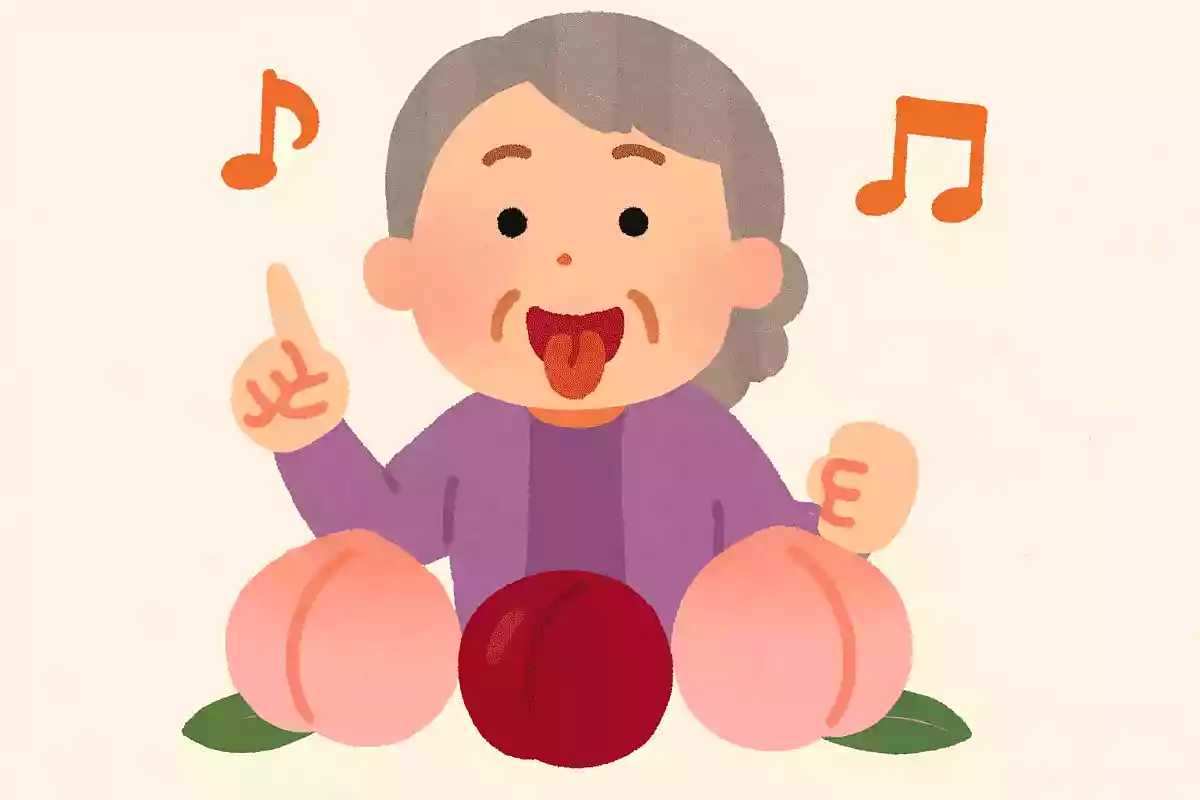
Plums come into season around mid-June.
Plums are a size smaller than peaches and are known for their sweet-and-tart flavor.
Although they’re said to be smaller than peaches, their shapes are similar, which is why there’s a tongue twister: “Sumomo mo momo mo momo no uchi; momo mo sumomo mo momo no uchi,” roughly meaning “Both plums and peaches are kinds of ‘momo.’” Because of this tongue twister, some older adults may have the impression that plums and peaches are the same variety.
However, plums belong to the genus Prunus in the rose family, while peaches belong to the genus Amygdalus (also within the rose family), so they are different.
Indeed, while their shapes are similar, plums have smooth skin, whereas peaches have a fine fuzz.
In fact, plums are said to be more closely related to apricots than to peaches.
Hard-to-pull nails, nails that are difficult to remove, nails pulled out with a nail puller
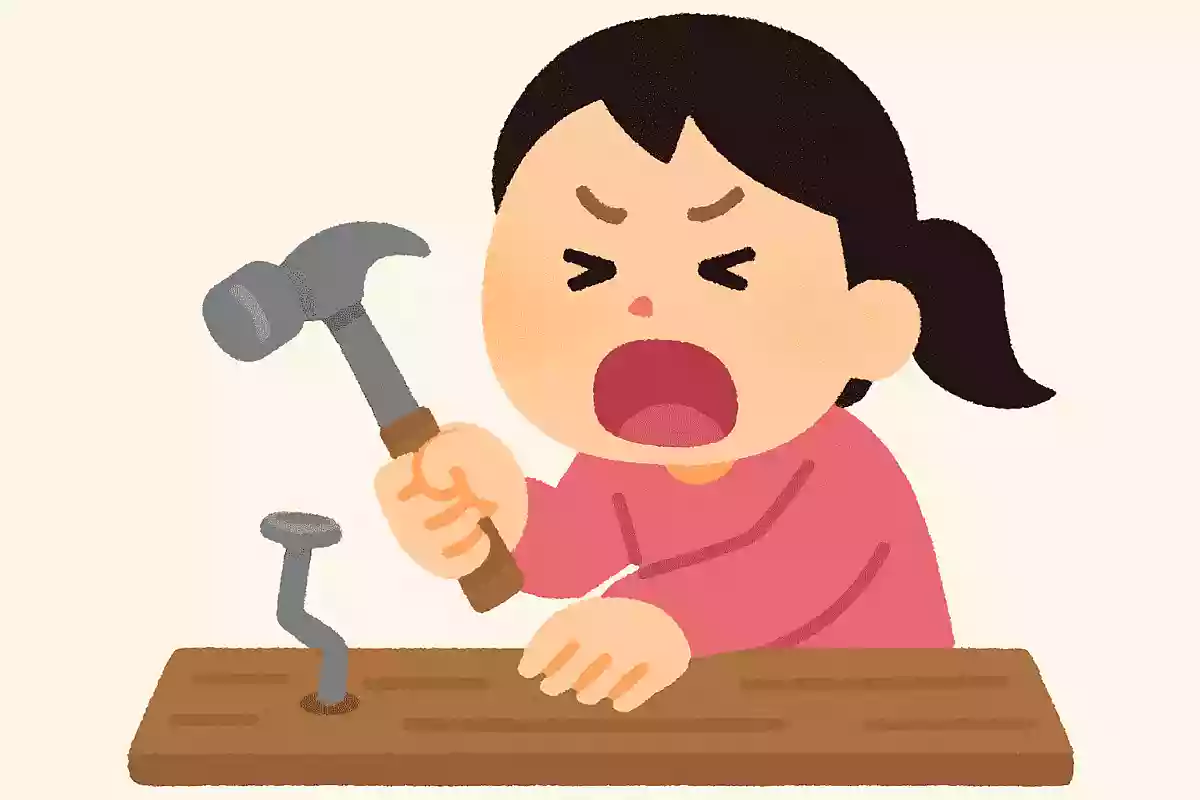
“A nail that’s hard to pull out, a nail that’s difficult to draw out, a nail pulled with a nail puller”—this tongue-twister also brings to mind scenes of carpenters or families doing DIY at home.
You can really picture someone struggling to pull out a stubborn nail.
Because of that, it repeats the same or similar words quite a lot.
It might be easier to say if you consciously break it into words like: hard-to-pull, nail; hard-to-draw-out, nail.
It’s a tongue-twister that may even help older adults recall their own DIY experiences.
Tokyo Patent Approval Bureau
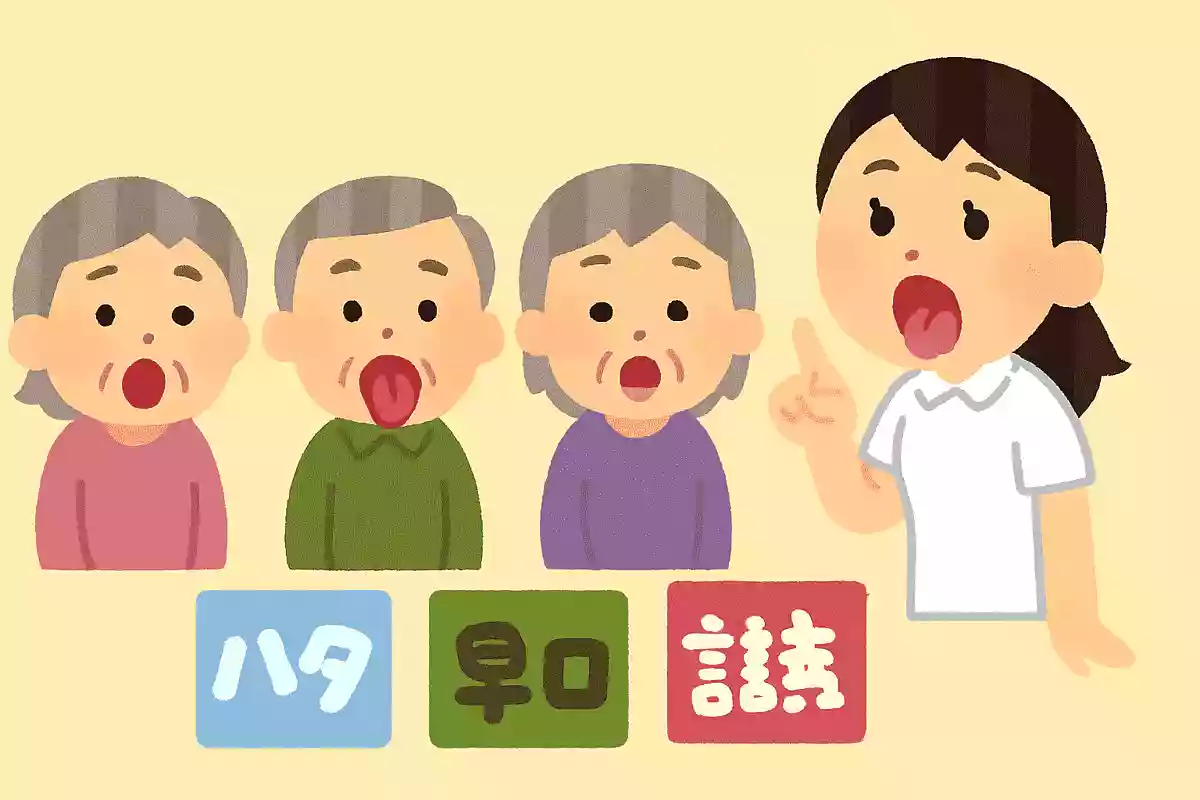
“Tokyo Patent Approval Bureau” is a classic tongue twister.
Some older adults may have heard it or even tried the tongue twister at least once.
However, the Tokyo Patent Approval Bureau doesn’t actually exist.
It never existed in the past either; what does exist is the Japan Patent Office in Chiyoda City, Tokyo.
So where did the TV announcer tongue twister “Tokyo Patent Approval Bureau” come from? As it turns out, it’s said to have been created for use in recruitment exams.
Ultimate luxury aircraft at a deserted Kyushu airport
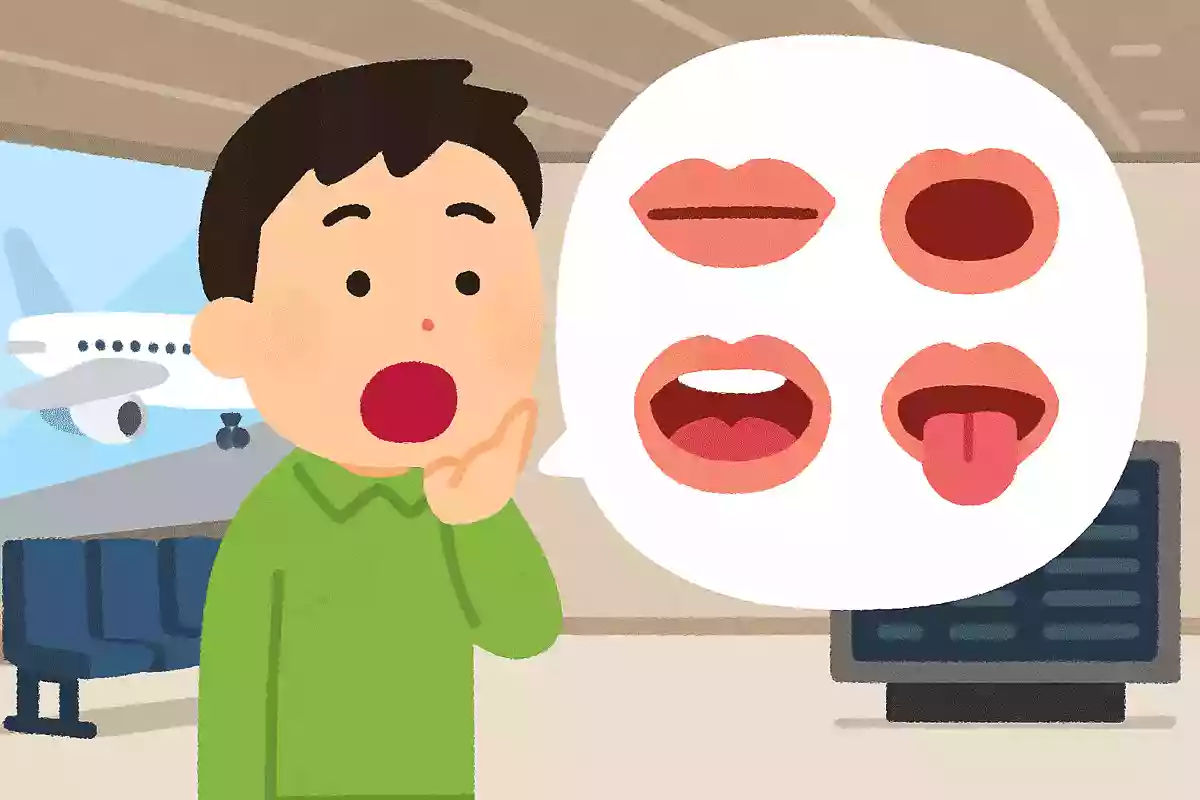
The tongue twister “kuukyo na Kyushu kuukou no kyuukyoku koukyuu koukuuki” (empty Kyushu airport’s ultimate luxury aircraft) feels difficult just by looking at it written down.
The sentence is also on the longer side for a tongue twister, and it’s characterized by a mix of hard k sounds and kya-kyu-kyo clusters.
Because of that, it’s said to be hard to say without tripping up.
To be able to say tongue twisters, the key is to be conscious of each word and pronounce every one clearly and distinctly.
By the way, there is no actual airport called “Kyushu Airport.” If you were to use a real airport in a tongue twister, it would be one of the airports in the Kyushu region, such as Kitakyushu Airport.
red paper roll, blue paper roll, yellow paper roll
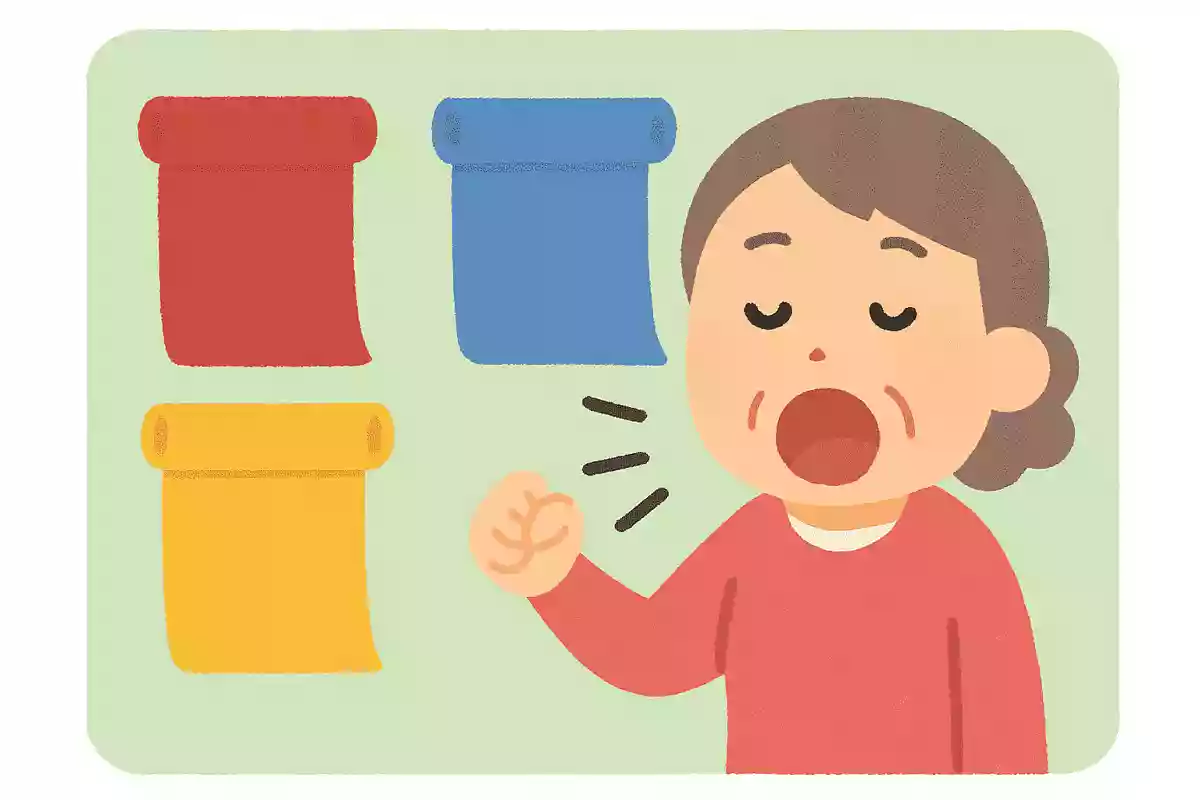
Tongue twisters often consist of strings of hard-to-pronounce words.
“Aka-makigami ao-makigami ki-makigami” (red scroll paper, blue scroll paper, yellow scroll paper) is also a sequence of tricky words.
By the way, makigami refers to paper made by joining together sheets of hansetsu paper (a tall, narrow paper) side by side to make a long roll.
It’s sold in scroll form.
This tongue twister lines up red, blue, and yellow scroll paper.
It looks easy at first glance, but when you try to say it repeatedly, it becomes hard to pronounce.
As a tip, if you pause slightly between the color names—like red or blue—and the word “makigami,” it should be a bit easier to say.
Try it together with older adults.