

[For Seniors] Great for Brain Training! Question Card Ideas
Here is a recreation activity using question cards that can also help with brain training for older adults.
Write questions on cards about childhood memories, recent experiences, and favorite things.
Invite the older adults to reflect and talk about those topics.
Recalling the past serves as reminiscence therapy, which can stimulate the brain and is expected to promote activation.
In addition, organizing and expressing their thoughts is said to further contribute to brain training.
We hope these ideas for questions will help liven up your recreation activities with older adults.
Hearing the stories they recall can also become an opportunity to discover new sides of them and deepen your understanding.
- [For Seniors] Let’s Have Fun While Training the Brain! Handmade Card Game Ideas
- [For Seniors] Conversation starters that help you chat: engaging questions and topics to spark lively talks
- [For Seniors] Ideal for Dementia Prevention: Easy-to-Practice Reminiscence Therapy Topics
- [For seniors] Dice talk: engaging prompts
- [For seniors] Fun brain training! Let’s get excited with the “Aru-Nashi” quiz
- [For Seniors] Brain-Training Recreation Using a Whiteboard
- [For Seniors] Fun and Engaging Brain-Training Recreation
- [For Seniors] Fun Riddles That Stimulate the Brain
- [For Seniors] Recommended for Brain Training! Nostalgic Showa-Era Quiz
- [For Seniors] Extremely Effective Brain Training! A Fun Collection of Hand Games
- [For Seniors] Perfect for Brain Training! Themed Hiragana Fill-in-the-Blank Quiz
- [For Seniors] Recommended Handmade Activities! Simple Ideas
- [For Seniors] Brain Training! Recall Quiz Collection!
[For Seniors] Useful for Brain Training! Question Card Ideas (11–20)
What have you been really into lately?
It’s said that having something you truly enjoy and can immerse yourself in makes it easier to feel a sense of purpose in life.
There are probably many older adults who enjoy activities like calisthenics, gardening, or walking.
If you live with your family, you might have something you enjoy doing together with your children or grandchildren.
Talking about your family or sharing stories related to what you’re passionate about might lead to even more conversation.
Having a passion or a hobby also fosters communication and helps expand your social connections.
If someone doesn’t really have anything they’re passionate about yet, it could be nice to search for something you can get into together.

What kind of work were you doing?
This is a conversation theme that brings on a wave of nostalgia as you share the work experiences you’ve built up over many years.
Because work takes up such a large part of our lives, the memories attached to it run deep.
People will likely talk about moments when they felt a sense of fulfillment, times they overcame difficulties, and memories with coworkers.
If someone has worked in the same field, you’ll find common ground; if they’ve done something different, you’ll think, “I didn’t know there was a job like that,” and become curious.
It’s also a great idea to talk about how your appreciation for work changes after retirement.
By sharing your own experiences, you get to know each other’s values, and it can turn into a lively, enjoyable conversation.

How old would you like to be again?
An idea to share the age you’d like to go back to in your life, along with the reasons.
Everyone has special moments—things you were passionate about when you were young, time spent with family, or periods when you worked especially hard.
By talking about what you’d want to do if you could return to that time, the conversation will come alive as you recall how you felt back then.
It can also be interesting to discuss what you’d challenge yourself to do if you could go back with the knowledge and experience you have now.
Reflecting on the past might help you notice the fulfilling parts of your life and the important things you can only understand now.
By listening to others, you can sense both the differences and the common threads in each person’s life, making it a topic that deepens conversation.
If you could have one wish granted, what would you ask for?
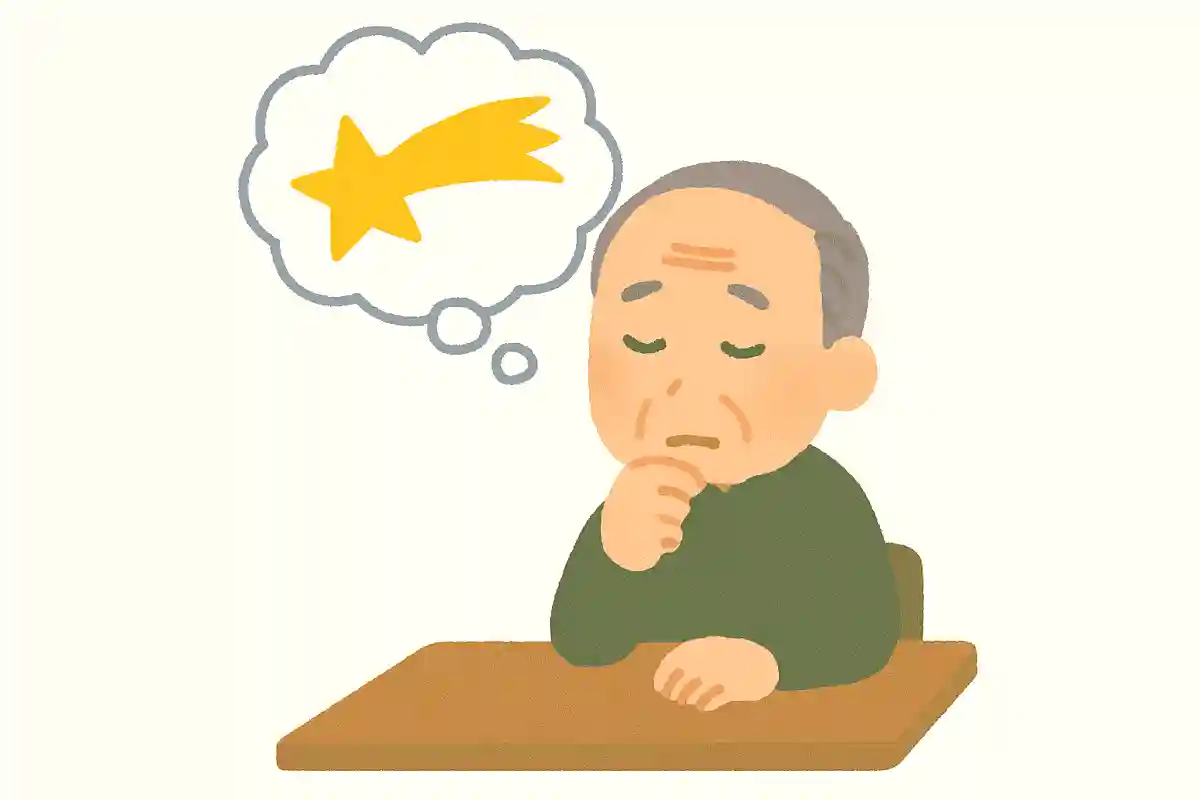
If you could have just one wish granted, what would you wish for? It’s something everyone has probably heard or thought about at least once.
Things you’re dying to do now, things you really wanted to try back then, things you couldn’t do for a reason—there are as many wishes as there are people.
You might not often say your wishes out loud, but within a recreational setting, it could be easier to talk about them.
It can be widely used as a conversation starter with family or friends, and as a recreation activity in senior care facilities.
Give it a try!

What foods do you like and dislike?
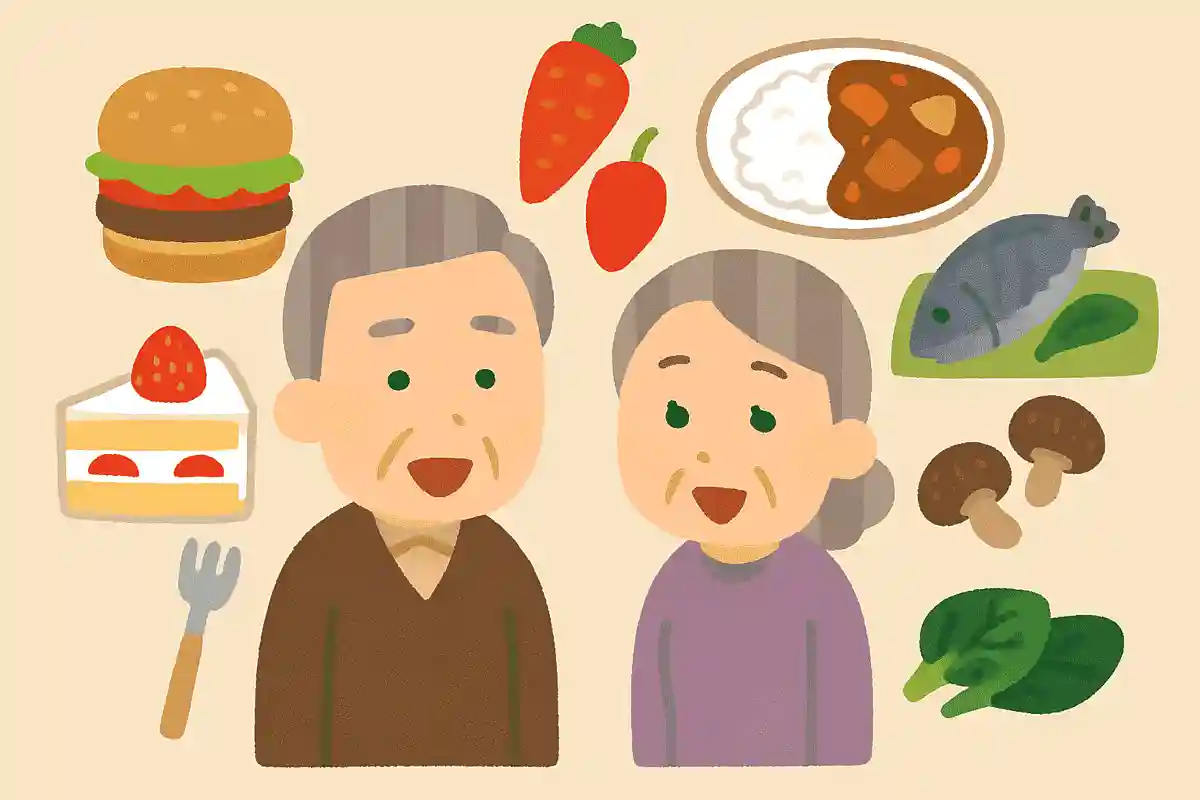
A topic I’d recommend because anyone can enjoy it is food.
Talking about your favorite foods, along with memories connected to the dishes, will liven up the conversation.
Dishes you often ate with your family or flavors you encountered while traveling can be especially engaging, especially for older adults who may have special reasons for their choices.
Talking about foods you don’t like can also be interesting.
It’s nice to share foods you disliked as a child but learned to enjoy as an adult.
Asking others about their favorite foods might even inspire you to try new flavors.
Food is a familiar, everyday topic and an easy theme to discuss with anyone.
In conclusion
Besides the questions in this article, you can come up with many others. Brainstorming questions together with older adults or inviting submissions might make it even more engaging. When doing a question-based recreation activity, there may be questions that are difficult for some older adults to answer. Of course, in such cases, please enjoy the question-card activity within the range they feel comfortable answering.