

![[For Seniors] Great for Brain Training! Question Card Ideas](https://media.ragnet.co.jp/img/1200__png__https://www.ragnet.co.jp/files/2025/04/9bac3c9075454bf369b2bee393e3f703.webp)
Here is a recreation activity using question cards that can also help with brain training for older adults.
Write questions on cards about childhood memories, recent experiences, and favorite things.
Invite the older adults to reflect and talk about those topics.
Recalling the past serves as reminiscence therapy, which can stimulate the brain and is expected to promote activation.
In addition, organizing and expressing their thoughts is said to further contribute to brain training.
We hope these ideas for questions will help liven up your recreation activities with older adults.
Hearing the stories they recall can also become an opportunity to discover new sides of them and deepen your understanding.
- [For Seniors] Let’s Have Fun While Training the Brain! Handmade Card Game Ideas
- [For Seniors] Conversation starters that help you chat: engaging questions and topics to spark lively talks
- [For Seniors] Ideal for Dementia Prevention: Easy-to-Practice Reminiscence Therapy Topics
- [For seniors] Dice talk: engaging prompts
- [For seniors] Fun brain training! Let’s get excited with the “Aru-Nashi” quiz
- [For Seniors] Brain-Training Recreation Using a Whiteboard
- [For Seniors] Fun and Engaging Brain-Training Recreation
- [For Seniors] Fun Riddles That Stimulate the Brain
- [For Seniors] Recommended for Brain Training! Nostalgic Showa-Era Quiz
- [For Seniors] Extremely Effective Brain Training! A Fun Collection of Hand Games
- [For Seniors] Perfect for Brain Training! Themed Hiragana Fill-in-the-Blank Quiz
- [For Seniors] Recommended Handmade Activities! Simple Ideas
- [For Seniors] Brain Training! Recall Quiz Collection!
[For Seniors] Great for Brain Training! Question Card Ideas (1–10)
What snacks did you often have as a child?
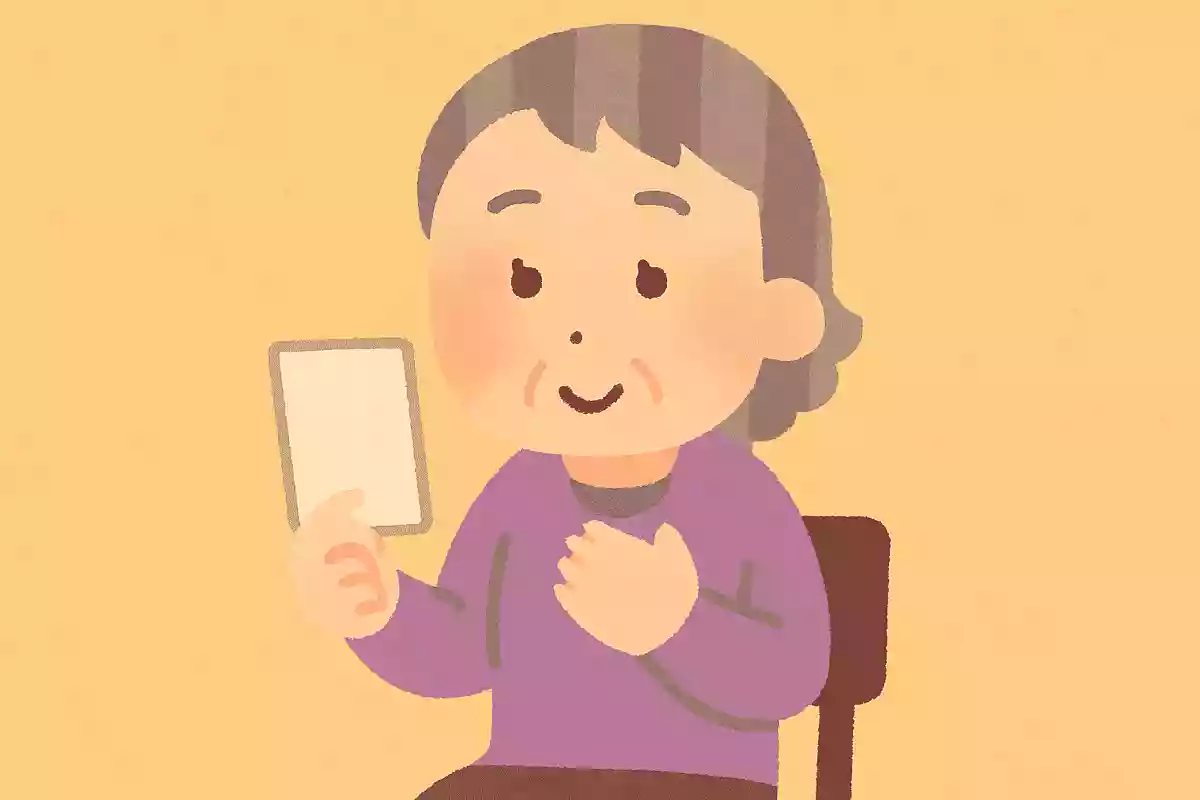
Let’s ask older adults about the snacks they enjoyed when they were young.
These days, some children eat snacks at daycare centers, certified childcare centers, or kindergartens.
Older adults may have had more chances to enjoy snacks at home or with friends.
Along with the tasty treats, many will likely recall the friends they shared them with and the times they gathered around snacks with family.
You can also have fun making the snacks they tell you about as part of a snack activity session.
Be sure to make use of these questions!

What games did you often play when you were a child?
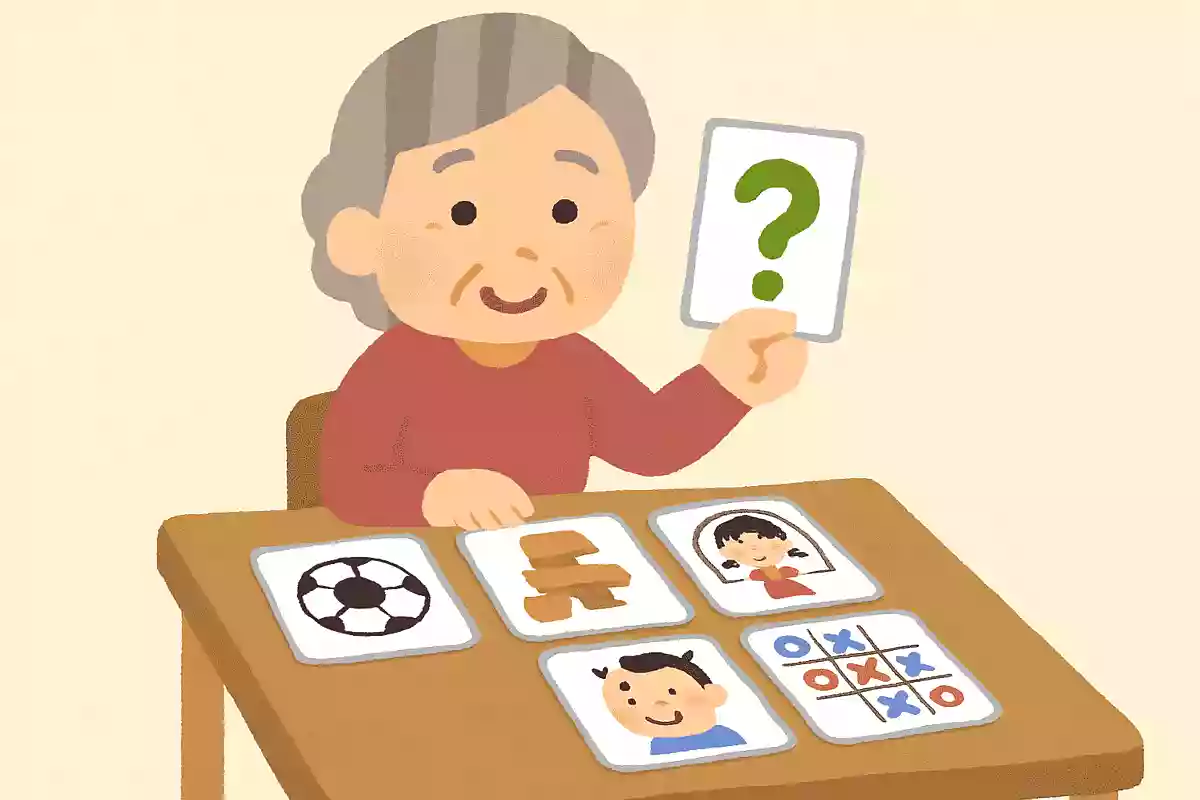
Try asking older adults about the games they used to play when they were children.
Everyone has childhood experiences.
Looking back on the past will surely spark lively conversations filled with memories.
It’s also a good idea to ask about the rules and how to play the games they mention.
Even with the same game, the rules can differ by region.
This can serve as an opportunity for older adults to converse with others, helping to promote communication.
It’s also recommended to adapt the games they mention and incorporate them into recreation time at the facility.
Talking about familiar games may bring out a variety of childhood anecdotes as well.
What was your childhood dream?
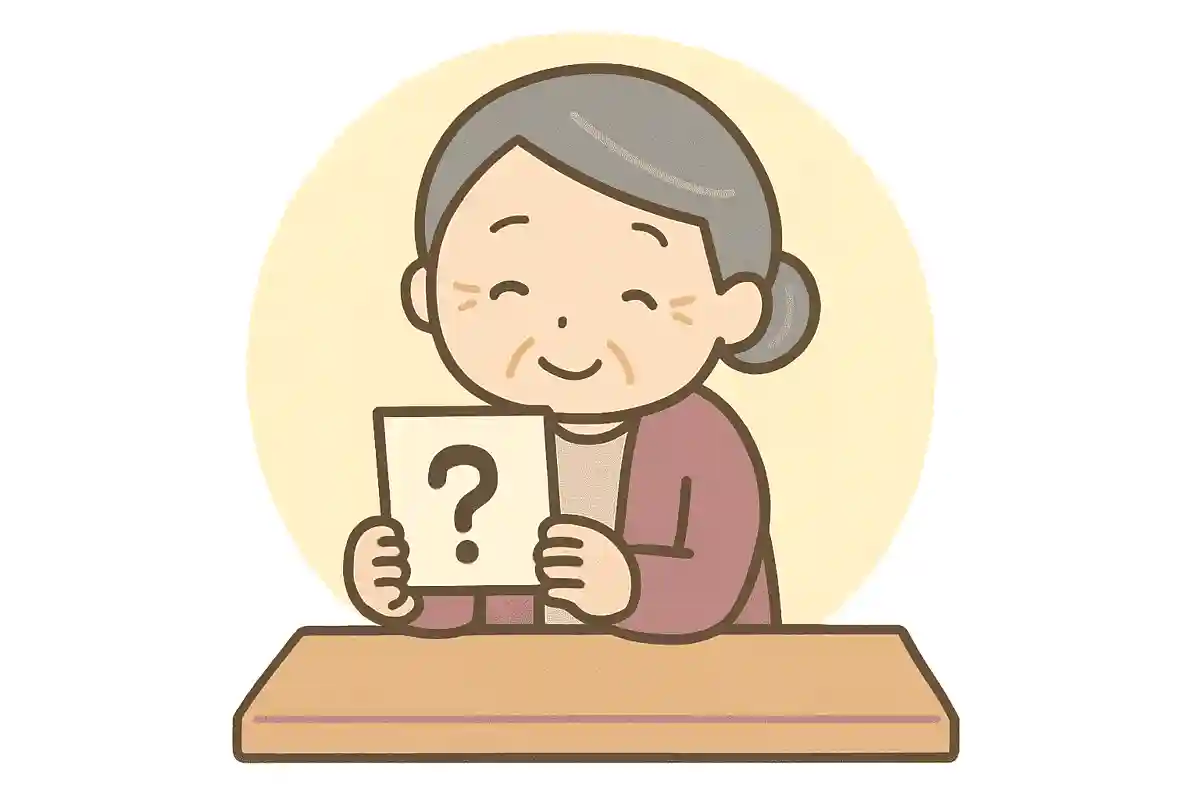
Some older adults may vividly remember their childhood.
Asking about the dreams they had when they were children might encourage them to share many nostalgic stories from the past.
Reflecting on past memories is also expected to be effective as brain training.
Moreover, listening attentively and with interest to older adults can help build deep trust.
In nursing homes and day service centers, taking the time to carefully listen to older adults strengthens trust and contributes to providing high-quality care.
What subject were you good at in school?
Not only older adults, but many people probably feel nostalgic about their school days.
A question about a subject you were good at might bring back memories of your teachers, your friends, and what life was like back then.
In your student years, you likely had experiences you can’t quite have as an adult, along with memories of days spent with friends.
Questions like these can also spark lively conversations.
By recalling and talking about those memories—and by listening to others’ stories for inspiration—you can stimulate your brain.
Remembering the energetic version of yourself from that time may also help you reconnect with your true self.
Please make good use of these questions.
What was your favorite dish when you were a child?
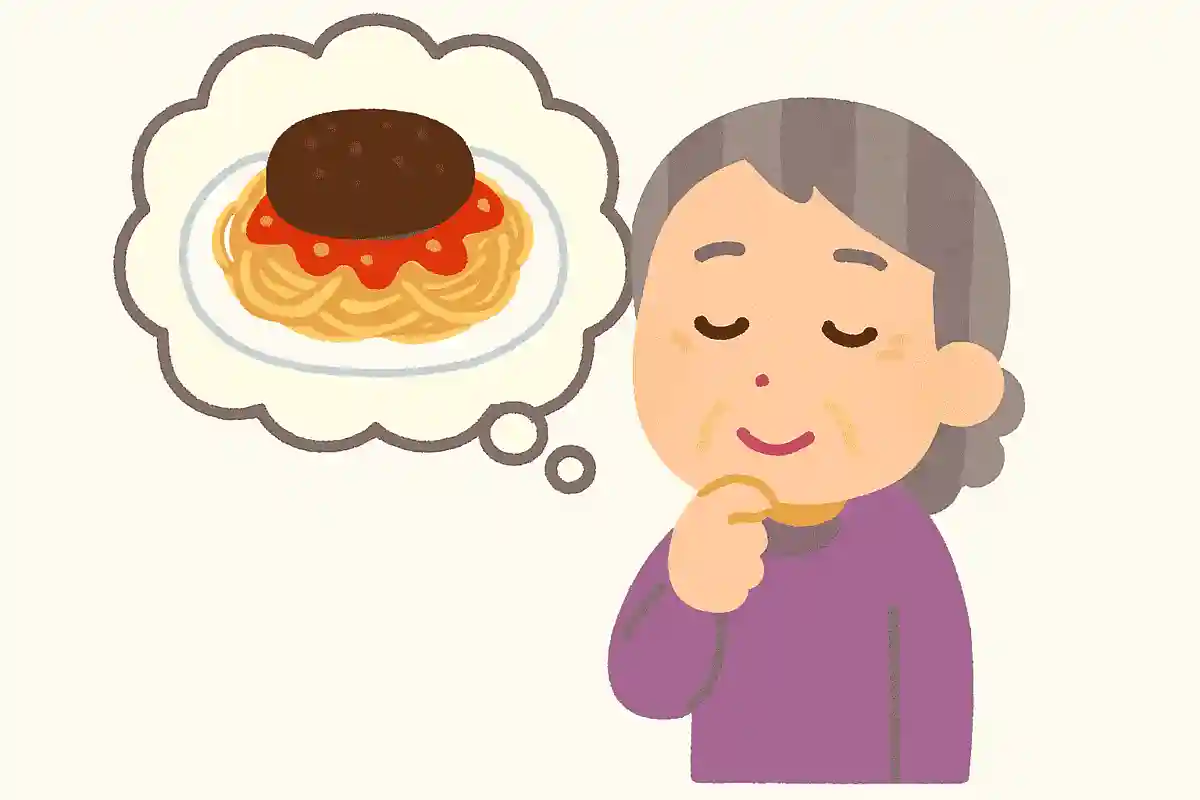
Try asking older adults about the dishes they loved as children.
Were they meals their mothers cooked, or items from menus when the family ate out? You might hear the names of dishes unique to that time or to certain regions.
From there, the conversation may broaden and become lively.
Since almost everyone has experience with eating, it’s an easy topic to ask about and answer.
You can also tweak the question to ask about memorable dishes from childhood or dishes they’re good at making.
Tailor your questions to each older adult.
Where are you from?
Where is the older adult originally from? Starting with a question about their hometown might lead to mentions of where they live now or places far away.
It can also prompt them to reminisce about their hometown and bring back good memories from childhood or their student days.
From talking about their hometown, the conversation could naturally expand to games and foods they liked as a child, their early days at work, and more.
Asking about local charm and specialties unique to that area can deepen your understanding of the culture and of the older adult themselves.
What was your hometown festival like?
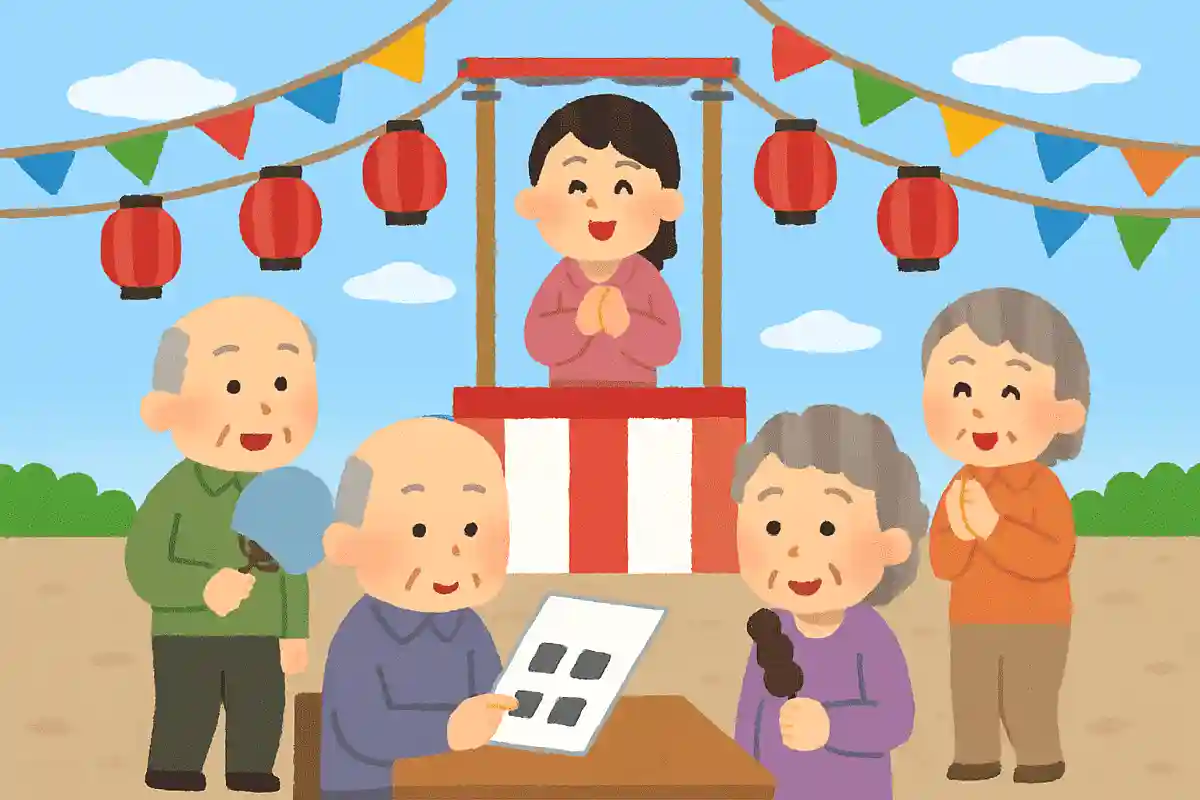
When today’s elderly people were young, weren’t there more festivals than there are now? With events like the Flower Festival, summer festivals, and autumn festivals, it must have been lively.
Many older adults have probably attended festivals.
So, let’s ask about the festivals from their hometowns.
They may also recall the special atmosphere that feels different from everyday life.
Questions about the unique culture and customs of an older person’s hometown are likely to make the conversation even more engaging.