

[For Seniors] Think and Have Fun: Introducing Brain-Stimulating Logic Puzzles


This time, we’re introducing logic puzzles designed for older adults.
A logic puzzle is one where you think about why something happens or consider the methods and steps involved.
Making use of your own knowledge and finding hints or trick points in the problem statement are key to solving the puzzles.
Thoughtfully working through logic puzzles helps activate the brain and can also improve concentration and creativity.
Why not incorporate them into quiz activities at senior care facilities? We’ve prepared everything from shorter puzzles with fewer clues in the text to longer ones with more to read.
Try using paper or a whiteboard to make things clearer with drawings and diagrams, and offer hints as needed to make it engaging!
- [For Seniors] Fun Brain Training! A Collection of Tricky Quizzes You’ll Definitely Get Stumped By
- [For Seniors] Exercise Your Brain with Fun Logic Puzzles!
- [For Seniors] Have Fun with Wordplay Characters! A Collection of Funny Puzzles
- Take on the challenge like a puzzle! A collection of logic quizzes that also work as brain teasers.
- [For Seniors] Who Am I? Quiz: A Fun Set of Questions with Exciting Hints
- [For Seniors] Recommended for Brain Training! Ultra-Difficult Quizzes and Riddles
- [For Seniors] Laugh-Out-Loud, Crowd-Pleasing! Fun Quiz
- [For Seniors] Today’s recommended quiz. Daily brain-training quiz!
- [For Seniors] Liven Things Up with Trick Riddles You Answer!
- [For Seniors] Sports Trivia Quiz & Fun Facts. Easy and Entertaining
- [For Seniors] Fun! Let’s Get Excited with Japan’s Number One Quiz
- [For Seniors] Lateral Thinking Game! Brain Training
- [For Seniors] Find daily brain training. Today’s recommended brain workout.
[For Seniors] Think and Have Fun: Introducing Brain-Stimulating Logic Riddles (21–30)
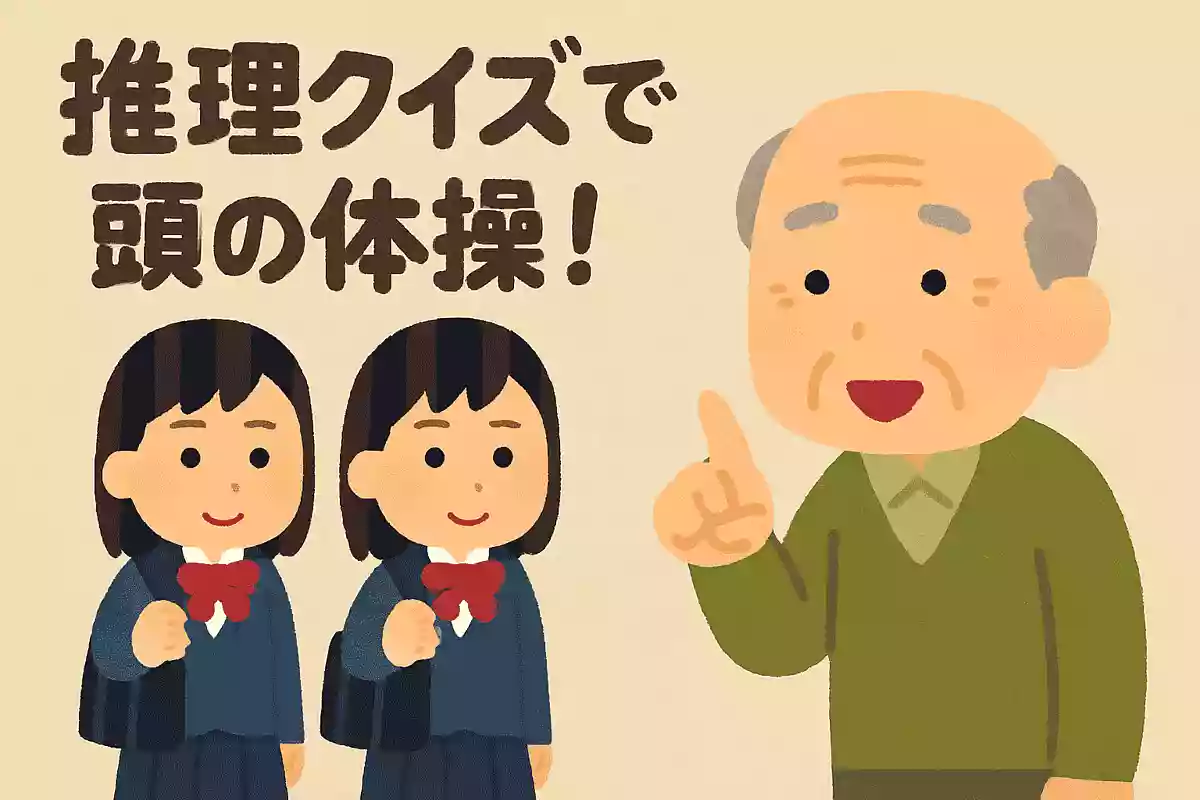
There were two girls at the school who were born to the same parents, shared the same birth date, and looked very much alike. When I asked, “Are you twins?” they said, “No.” How can that be? (They’re part of a set of triplets—or more.)
See the answer
Because there were triplets or more, rather than just twins.
You can imagine the scenario working if there are triplets or more, rather than just twins. Incidentally, in Japan the first quintuplets born in a single delivery arrived in 1976. Around the world, there have even been cases of octuplets and nonuplets born in a single delivery. I’d love to meet them someday.

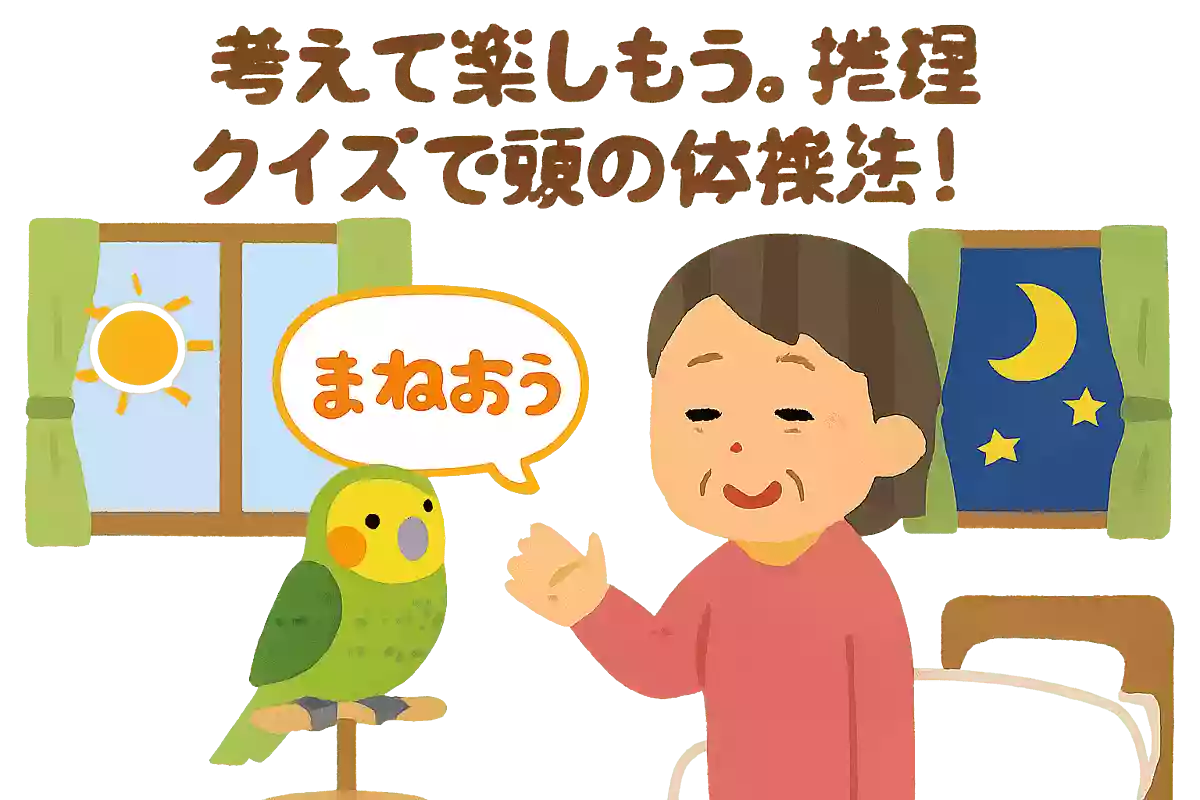
Hanako keeps a parakeet. It is said that the parakeet imitates anything Hanako says. When Hanako wakes up in the morning, it says “Good morning,” when she comes home, it says “Welcome back,” and when she goes to bed, it says “Good night.” There is something odd among the words the parakeet says—what is it?
See the answer
The part where they say “Welcome back” when you come home.
When someone is already at home, they say “Welcome back.” However, this parrot imitates Hanako’s words. When Hanako gets home, she says “I’m home,” right? So the correct phrase is not “Welcome back,” but for the parrot to imitate Hanako and say “I’m home.”
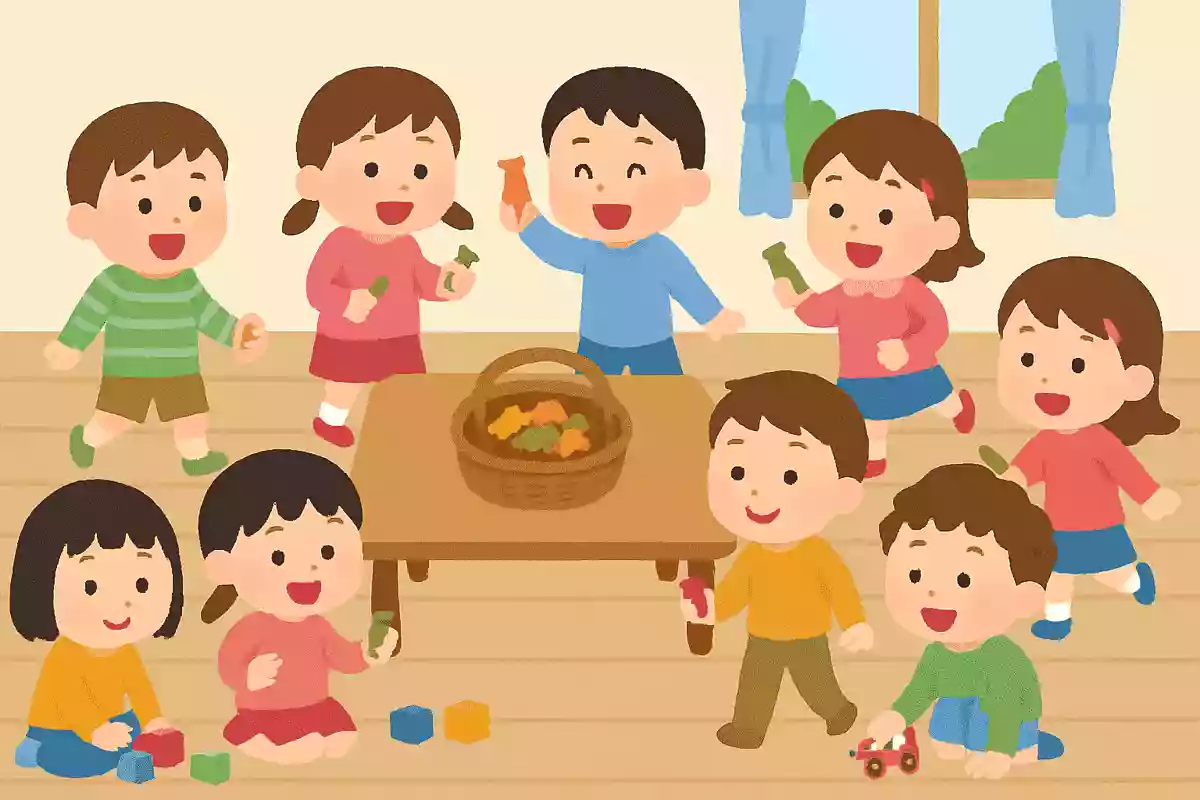
There was a room where eight children were playing, and in that room there was a basket on a table with eight pieces of candy in it. When the eight children left, they each took one piece of candy in turn. Everyone took one, but there was still one piece of candy left in the basket. Why is that? Answer: One child took the basket along with their piece of candy, so one candy remained in the basket.
See the answer
Because one person took the sweets home while they were still in the basket.
When taking the sweets home, if everyone takes their sweets out of the basket, the problem statement doesn’t hold, right? However, if you leave one sweet in the basket when you take it home, you can get an answer. It’s a problem you can solve by organizing the conditions and thinking more deeply.
Two mothers and their two children went to a radish field. Each was supposed to bring one radish home. However, without dropping any on the way, they arrived home with only three radishes. Why were there only three? Because the group was a grandmother, her daughter, and her granddaughter—two mothers and two children, but only three people in total.

See the answer
Because it was the three of them—grandmother, mother, and child—who went to the field.
Both the grandmother and the mother each have the role of “mother,” right? If you count the mother and child as part of the number of “children,” this sentence works. In fact, three people went to the field, so they brought back three daikon radishes. It’s a bit of a tricky question, but if you change your perspective, you might find the answer.
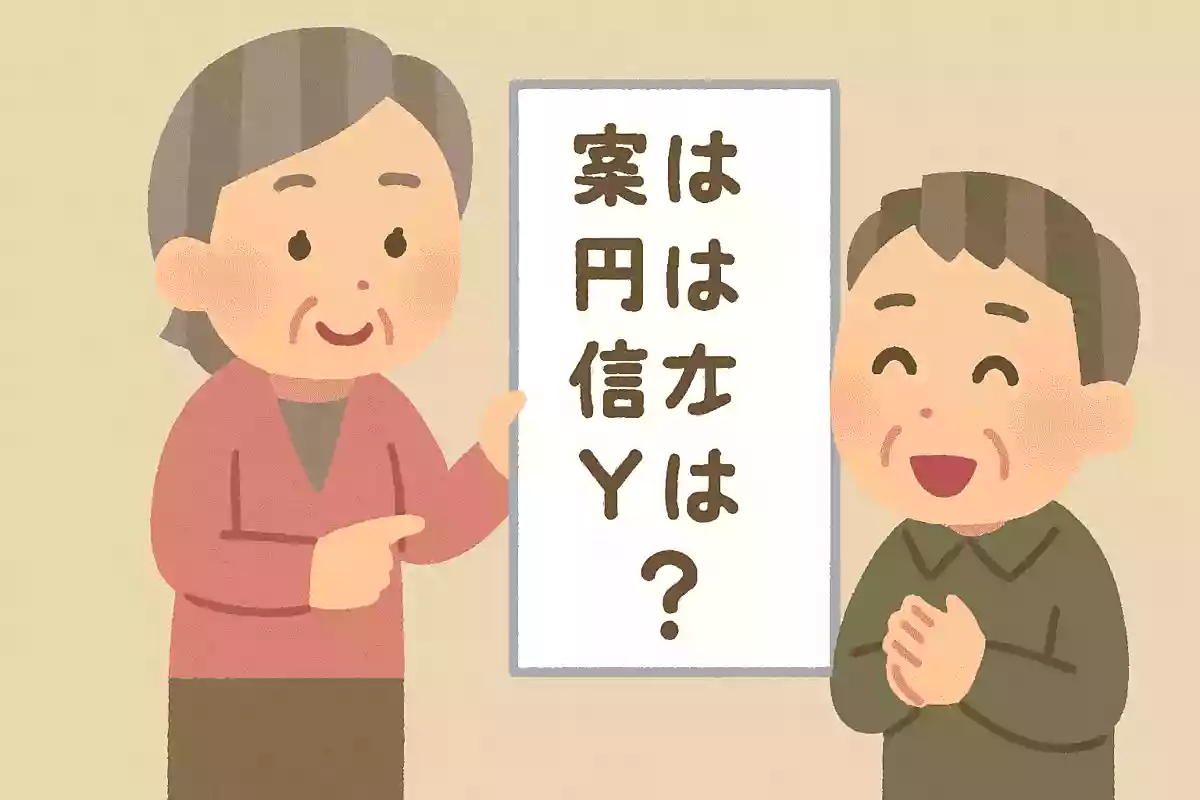
Satoko showed her friends a kanji-based puzzle she had made. It read: “Ann eats, En cries, Shin is quiet—so what is the letter Y?” Taro’s answer, “joy,” was correct. Why is that? (Because in Japanese, when you add the ‘heart’ radical to those kanji—案, 円, 信—you get new kanji whose meanings match ‘eat,’ ‘cry,’ and ‘quiet,’ and adding the ‘heart’ radical to Y corresponds to the kanji 喜 (yori/yorokobi), meaning ‘joy.’)
See the answer
Because Y is going “Yay!” and is happy
Let’s look at the way of thinking from the answer. If you read Satoko’s problem out loud, it might lead you to the answer. For example, “aan” is what you say to a baby when feeding them. Similarly, the kanji for circle (円, en) connects to “een,” like crying; the kanji for faith/trust (信, shin) connects to “shiin,” used to describe a quiet atmosphere. And Y is “waai,” which expresses joy.
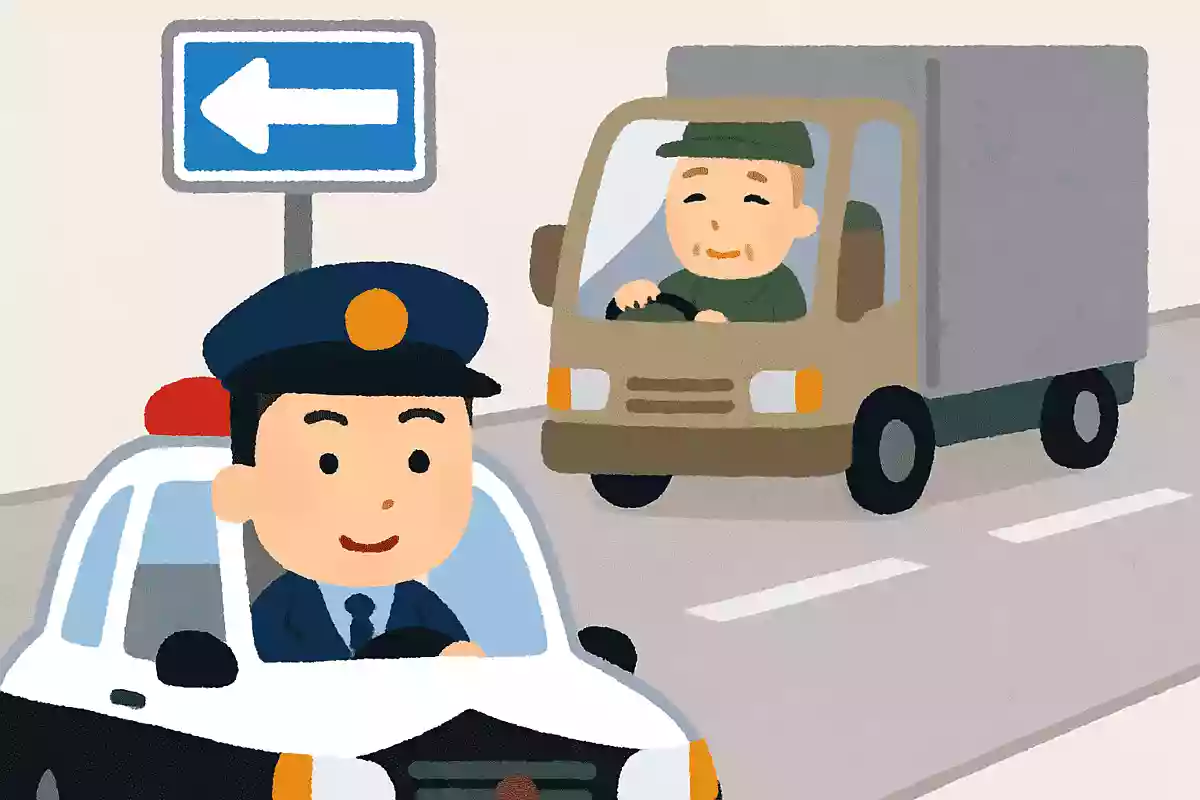
A truck driver was driving the wrong way down a one-way street right in front of a police officer in a patrol car. However, the officer didn’t seem to care at all or try to stop the driver. Why was that?
See the answer
Because the truck driver was walking against the flow (going the wrong way)
The truck driver wasn’t riding in the truck. If you assume the truck driver was walking, the answer becomes clear. Focusing too much on “the truck driver” leads to ideas like “a police officer who doesn’t stop a truck going the wrong way.” A one-way sign applies to vehicles, so there’s no problem if a pedestrian walks in the opposite direction.
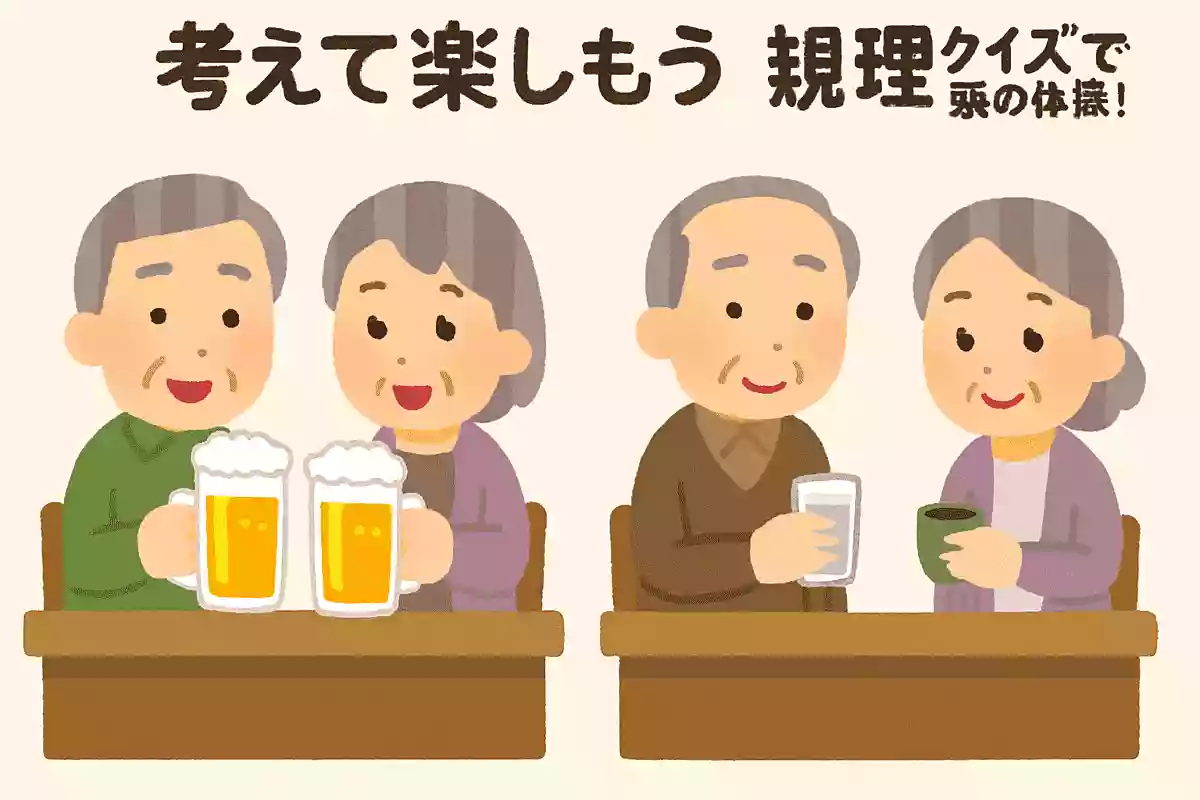
There was a couple who liked beer, and another couple who weren’t good with beer and drank tea or water instead. Which couple is more compatible?
See the answer
A married couple who like beer
Let’s think about the differences between beer and tea or water, aside from the alcohol content. Beer has its characteristic “foam,” right? If you pour tea or water into a glass, you don’t get foam. If you change “awanai” (no foam) to “awanai” (doesn’t match), the answer starts to appear. “Awanai” (doesn’t match) connects to the idea of a couple not being compatible, so it refers to couples who don’t like beer and drink tea or water instead. Summing it up, the correct answer is couples who like beer with foam.