

[Haydn] Pick up famous and representative pieces!

One of the great composers of the Classical period, Franz Joseph Haydn.
He is known as the “Father of the Symphony” and the “Father of the String Quartet” for composing many symphonies and string quartets, but he also wrote numerous concertos and piano sonatas, exerting a tremendous influence on the world of classical music.
In this article, we’ll highlight some of Haydn’s masterpieces and signature works!
One of the pieces is used for today’s German national anthem, so be sure to check it out.
Enjoy the music of Haydn.
- [Haydn] Pick up famous and representative pieces!
- Handel’s Masterpieces | A Comprehensive Introduction to His Popular Works
- George Frideric Handel Popular Songs Ranking [2026]
- Oskar Merikanto Popular Song Rankings [2026]
- Mendelssohn’s Masterpieces | Popular Classical Music
- [Baroque Music] A Curated Selection of Timeless Masterpieces and Famous Works
- Masterpieces by Franz Schubert: Sparkling classical works left by the King of Song. Recommended classical music.
- Popular classical piano pieces. A collection of masterful performances by Japanese pianists.
- Mozart: An Introduction to His Signature and Popular Works
- Pick up Beethoven’s famous and representative works!
- [Recommended] Carefully selected masterpieces by Bruckner, the great master of symphonies and sacred music
- Classical Masterpieces: Recommended Works You Should Hear at Least Once
- [Classical Music] A carefully curated selection of masterpieces born in the pivotal era that bridged the Baroque and Romantic periods
[Haydn] Pick Up Masterpieces and Signature Works! (41–50)
Symphony No. 53 in D major “Imperial”Franz Joseph Haydn
There are at least three different scores for the final movement, and the original score of this piece has been lost.
It is unclear which version was originally intended, and opinions are divided.
It is thought that Haydn prepared multiple versions of the final movement, likely because the piece became popular among audiences.
Although the subtitle “Emperor” has been attached, it is not clear how it came to be used.
Symphony No. 12 in E majorFranz Joseph Haydn
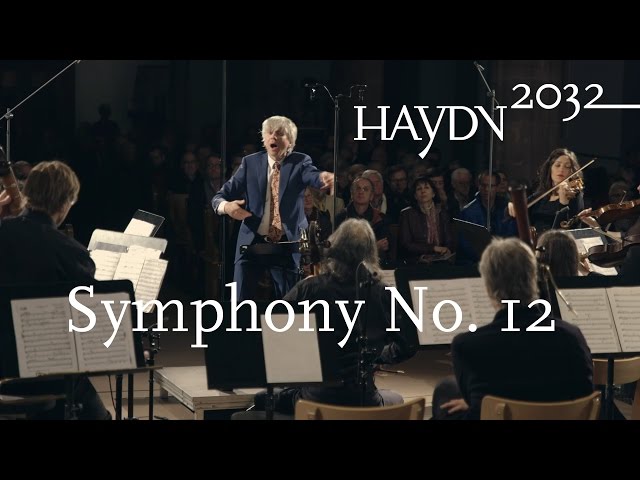
Symphony No.
12 in E major: I.
Allegro; II.
Adagio; III.
Finale, Presto.
Conducted by Giovanni Antonini, Il Giardino Armonico is an Italian early music ensemble that primarily performs repertoire from before the 18th century.
From Symphony No. 13 in D major, Second MovementFranz Joseph Haydn
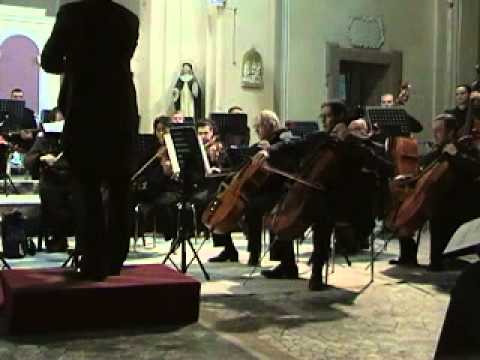
From Symphony No.
13 in D major, Movement II: Adagio cantabile (slowly, in a singing style).
A cello solo.
Performed by cellist Claudio Mastrangelo and the Bari Symphony Orchestra, conducted by Francesco Ivan Ciampa.
Symphony No. 1 in D majorFranz Joseph Haydn
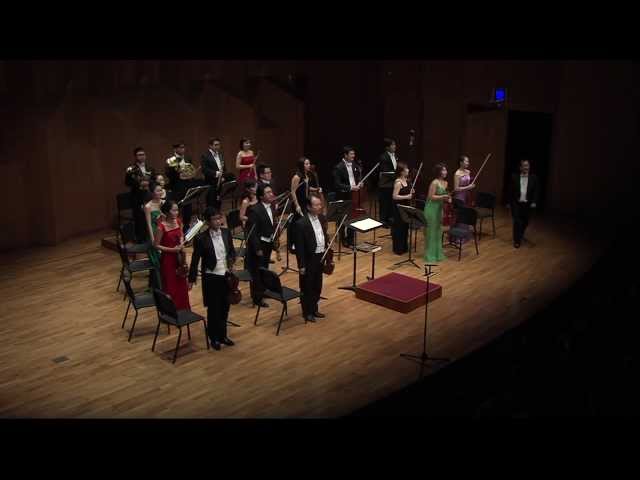
Symphony No.
1 in D major: I.
Presto; II.
Andante; III.
Finale, Presto.
Although it is labeled “No.
1,” it does not appear to be the first one composed, and the exact details are unclear.
Performed by the Amadeus Chamber Orchestra.
Symphony No. 22 in E-flat major “The Philosopher”Franz Joseph Haydn

Symphony No.
22 in E-flat major “The Philosopher”: I.
Adagio, II.
Presto, III.
Menuet–Trio, IV.
Presto.
It is said that the subtitle originates from the melody of the first movement.
Performed by Orchestra UniMi, conducted by John Axelrod.
Symphony No. 39 in G minorFranz Joseph Haydn

Symphony No.
39 in G minor: I.
Allegro assai; II.
Andante; III.
Minuet–Trio; IV.
Allegro molto.
One of the few minor-key symphonies from the Classical period.
Performed by the Dokuz Eylül University Symphony Orchestra, conducted by Hakan Sensoy.
Symphony No. 7 in C Major [Day]Franz Joseph Haydn
![Symphony No. 7 in C Major [Day]Franz Joseph Haydn](https://i.ytimg.com/vi/m7TjWJTYL4w/sddefault.jpg)
Symphony No.
7 in C major [Day]: I.
Adagio – Allegro; II.
Recitative; III.
Minuet; IV.
Finale, Allegro.
This is the second work of the trilogy.
Performed by the Corpus Christi Chamber Orchestra, conducted by Mr.
John Landis.