

Folk songs, children's songs, and nursery rhymes of Iwate: the heart of the hometown passed down through song

It’s a region with many folk songs.
In other words, it proves that the local, deeply rooted culture has been closely connected with music.
Most of the songs are about seasonal events, and I felt they express a distinctly Japanese sense of aesthetics.
These days, I imagine there’s demand among foreigners who love Japan.
Be sure to check it out.
- Songs of Iwate: The Heart of Our Hometown Passed Down in Song | A Collection of Classics to Enjoy While Thinking of Iwate
- [Folk Songs and Children's Songs of Akita] A curated selection of local masterpieces that evoke love for one’s hometown
- [Folk Songs of Yamagata] The Heart of Our Hometown Passed Down in Song: Feelings Woven into Nostalgic Melodies
- Beautiful Folk Songs Passed Down in Miyagi Prefecture: A Collection of Masterpieces that Play the Heart of the Hometown
- [Folk and Children's Songs of Hokkaido] Songs of Hokkaido that continue to be loved across generations
- [Songs of Aomori] A collection of local songs depicting the grandeur of nature and the warmth of its people.
- Japanese counting songs: nostalgic temari (handball) songs and children’s folk songs
- Folksongs, children's songs, and nursery rhymes of Fukushima: the heart of our hometown passed down in song
- Folk Songs, Children's Songs, and Nursery Rhymes of Aomori: Japanese Songs from Tsugaru and Hachinohe that Resonate with the Heart
- Nostalgic Children’s Songs, Folk Songs, and Nursery Rhymes: The Heart of Japan Passed Down Through Song
- [Japanese Folk and Regional Songs] A Collection of Beloved Masterpieces from Across Japan, Brimming with Local Pride
- Folk songs, children's songs, and nursery rhymes of Hiroshima: the enduring heart of our hometown, passed down through song.
- Niigata’s folk songs, children’s songs, and nursery rhymes: the heart of our hometown passed down in song
Folk Songs, Children's Songs, and Nursery Rhymes of Iwate: The Heart of Our Hometown Passed Down in Song (21–30)
Bush Clover Harvesting SongIzumida Reiko

It is a folk song passed down in the southern part of Iwate Prefecture.
Before winter, people would cut the nutritious leaves of bush clover to store as horse feed.
It is said that this song was sung during that work.
Because the lyrics sound like inviting someone rather than singing alone, it might even have been sung on dates.
Esashi JinkuShurenkai
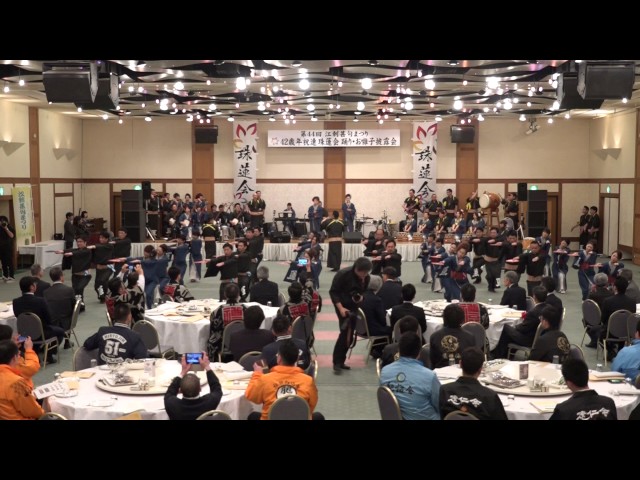
It is said to be a song based on the “Jogi Ai-ya” handed down in Miyagi Prefecture, though there are alternative theories.
It has been sung during zashiki dances and Bon dances.
Also, on May 3 and 4 each year, the Esashi Jinku Festival is held in Oshu City, featuring a parade.
Sondeko-bushisoubiyamei
Shiode is a type of wild mountain vegetable, written in kanji as “牛尾菜.” Its dialectal form is “Sondeko.” The Sondeko-bushi is a song that men and women sang to each other while out in the mountains picking shiode.
It spread to other prefectures and became the origin of Akita Prefecture’s “Hideko-bushi.”
Kesen Slopetomoyan

In Ōhasama, which is now part of Hanamaki City, there used to be a “zeniza,” a mint where coins were cast.
The song sung while fanning the tatara furnace there was called “Iseizaka,” and over time it evolved into what is now “Kesen-zaka.” It is also sometimes sung as a wedding celebration.
campfireAsahi Utako

It is a children’s song written by the juvenile literature author Seika Tatsumi, who is from the present-day town of Shiwa in Iwate Prefecture, and it is widely known throughout Japan.
Incidentally, when it was included in a music textbook, there was a complaint from the Fire and Disaster Management Agency, leading to an episode in which a bucket for putting out fires was also depicted.