

[Heisei Retro] Hit Japanese songs that defined the 1990s. Recommended J-POP classics.

When you think of the Japanese music scene of the ’90s, what kind of sounds come to mind? It was an era when million-selling hits kept emerging and CD sales marked a golden age for the music industry.
Hit songs poured from TV and radio into the streets, and everyone was humming the same tunes.
From guitar rock to dance music, from the Shibuya-kei movement to the Being-kei style, a wide variety of genres coexisted, each shining with its own unique brilliance in the ’90s.
In this article, we’ll introduce a selection of hit songs that colored that rich musical scene.
For those who lived through the era, they’ll feel nostalgic; for first-time listeners, they’ll sound fresh.
Please take your time and enjoy.
- Classic and hit songs by nostalgic Japanese bands from the 1990s
- Iconic ballads of 90s J-pop: nostalgic mega-hits and fan favorites
- Hits that resonate across generations! Popular 1990s songs on TikTok
- Classic and hit J-pop songs from the nostalgic ’90s
- Ranking of Popular Songs by Japanese Male Singers from the 1990s [2026]
- [Hit Songs of 1999] A roundup of timeless tracks that dominated the charts!
- A collection of nostalgic hits from the Heisei era: Let’s look back at iconic songs from the 1990s and 2000s.
- 1990s J-Pop to listen to in summer: classic and hit summer songs
- Anime songs that were hits in the 1990s. Recommended masterpieces and popular tracks.
- Tear-jerking J-pop from the ’90s. Hit songs and real tearjerkers.
- [Hit Songs of 1996] Spotlight on the iconic tracks and popular tunes that colored the Heisei era!
- Hit Japanese songs that represent 1997. Recommended masterpieces.
- [90s Music] Shibuya-kei Classics: Recommended Popular Songs
[Heisei Retro] Hit Japanese songs representing the ’90s: Recommended J-POP classics (151–160)
Kujira No. 12JUDY AND MARY

A pop-rock tune with a powerful, bouncing bassline and guitar riffs, reminiscent of high-energy soccer.
JUDY AND MARY crafted this as a cheer song for Japan, filled with their passion for sports.
YUKI’s clear, crystalline vocals and TAKUYA’s memorable ending leave a lasting impression.
Released in February 1997 as the lead single from the album THE POWER SOURCE, the track was also featured in a commercial for Honda’s Live Dio scooter and reached No.
5 on the Oricon chart.
Its refreshing melody and exhilarating drive make it the perfect song when you’re taking a new step forward or want to cheer someone on.
The wind is dancing outside the window.SUPER BUTTER DOG

A song imbued with the desire to pause amid the busyness of daily life and cherish time to face your own heart—its exquisite melody is truly captivating.
The ambitious work SUPER BUTTER DOG released in November 1997 captured many hearts with its sprightly rhythms that fuse funk and rock, and lyrics so delicate they seem to seep into the soul.
Takashi Nagazumi’s vocals gently envelop inner tremors, loneliness, and hope, leaving a lasting impression.
It also made waves as the opening theme for TBS’s music program “BLITZ INDEX,” and was included on the album “FREEWAY.” This track is perfect for those moments when you’re worn out by hectic days or want to take a slow, honest look at yourself.
Loved by many as a warm song that quietly gives you a nudge forward when your heart feels a bit heavy.
survival dAnce 〜no no cry more〜TRF

TRF is a five-member dance and vocal group known for the concept “just their presence at a live venue turns the place into a disco,” and as a forerunner of the TK boom that swept the 1990s.
Their sixth single, “survival dAnce ~no no cry more~,” was used as the theme song for the TV drama ‘17-sai – at seventeen -.
’ The contrast between the relaxed A-melody and the high-energy chorus lifts your spirits just by listening.
It’s a catchy party tune that’s perfect for getting everyone singing along at karaoke.

Wonderful DaysUNICORN

Released in April 1993, this UNICORN piece poignantly sings of drifting apart from close friends, carried by a melody that gently embraces partings and change.
Born from differing musical directions among the members, the song distills Tamio Okuda’s unique charm—its calm atmosphere suffused with quiet sorrow.
In addition to reaching No.
6 on the Oricon chart, it resonated with a wide audience as the theme song for the film Hinagon and in a Sony commercial.
It’s a gem I wholeheartedly recommend to anyone sensing shifts in a cherished relationship or seeking gentle moments of realization in everyday life.
A town where it snowsUNICORN

This is a classic song that gently captures scenes of a snowy town at year’s end.
Released by UNICORN in December 1992, it was originally planned as a Christmas song but was reworked into a year-end song.
Set to a shuffle beat with a melody line reminiscent of the mid-period Beatles, it beautifully contrasts the bustle and the quiet of late December.
The worldview woven from candid feelings about the city’s hectic pace and a nostalgia for the falling snow continues to resonate with many listeners.
Also used as the ending theme for TBS’s “Totsuzen Variety Sokuhō!! COUNT DOWN 100,” this is a track you’ll want to play when you’re seeking a bit of calm at the busy close of the year or on a quiet night thinking of someone special.
It’s love.V6
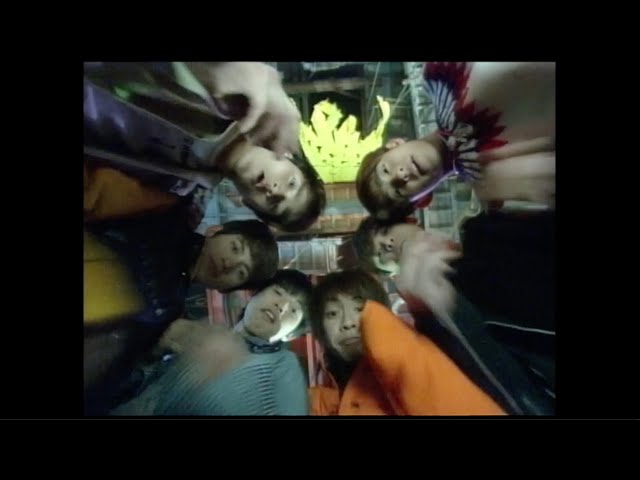
A gem of a ballad with lyrics by Goro Matsui and music by Koji Tamaki.
It portrays a protagonist who, lost and lonely, confronts their true feelings and finds the courage to take a new step forward.
Released in January 1997, it became V6’s first non-tie-in single to reach No.
1 on the Oricon Singles Chart.
The song is also included on the album “NATURE RHYTHM” in an arrangement that begins with the chorus.
With gentle lyrics that convey the importance of facing forward in life and a beautiful melody woven by Tamaki, it’s a track that stays close to the hearts of those standing at a crossroads.
[Heisei Retro] Hit Japanese songs that defined the 1990s. Recommended J-POP classics (161–170)
Don’t give upZARD

ZARD, a music unit that was at the forefront of the Being label artists who exploded in popularity in the 1990s, achieved massive success with their 6th single, “Makenaide” (“Don’t Give Up”).
The song was used as the theme for the TV drama “Shiratori Reiko de Gozaimasu!” and became a million seller.
Its empowering lyrics and catchy melody have encouraged many people to find themselves humming it during tough times.
It’s also well-known for playing during the climax of Nippon TV’s charity program “24-Hour Television” marathon—a pop tune that gives you that extra push to take one more step.